





Wall-Hung Toilet and Concealed Cistern: A Sourcing and Installation Guide
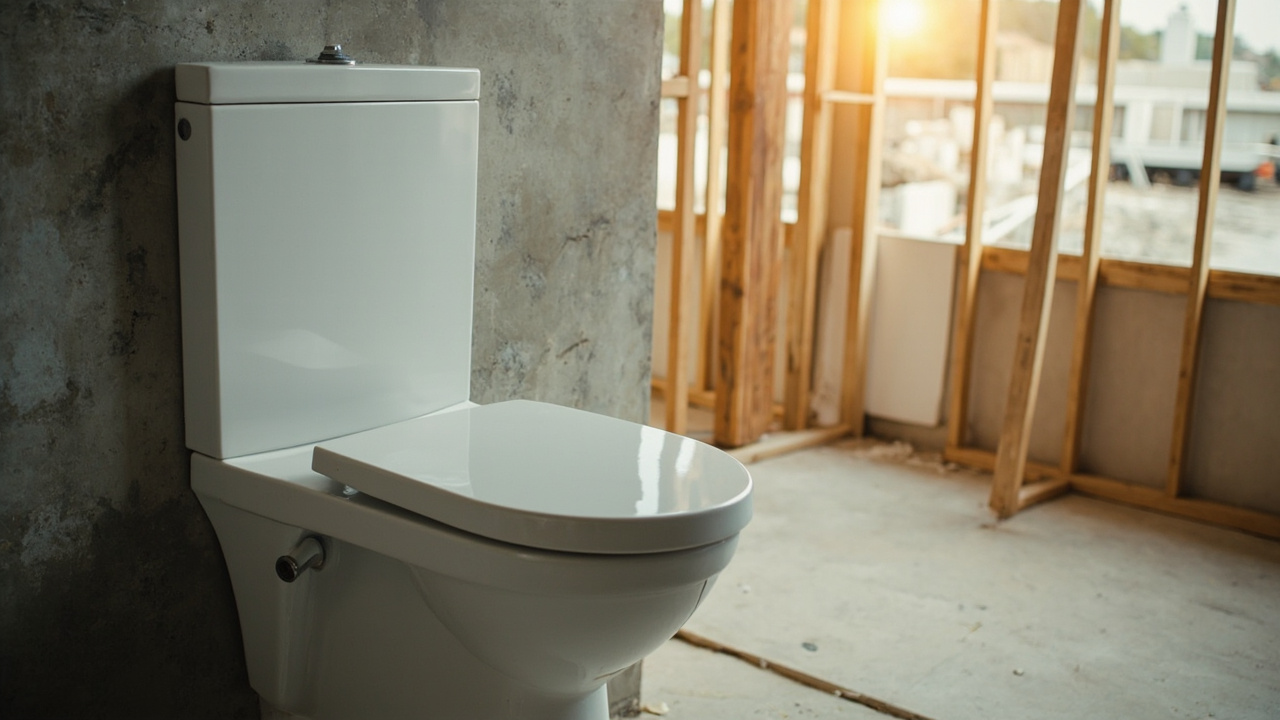
A wall-hung toilet is one of those decisions that pays off every day for the next twenty years. The bowl floats above the floor, the room feels larger, mopping takes seconds, and the plumbing disappears into the wall. None of that magic comes for free, though. The whole assembly depends on a steel carrier frame bolted to the structure and a concealed cistern tucked inside the wall cavity. This guide walks project buyers through the spec points that decide whether an installation stays leak-free and quiet for a decade, or starts squeaking after the first season.
Carrier frame types and real load capacity
The carrier frame is the backbone of the system. There are two main families. A wall-mounted carrier bolts to a stud partition or a solid masonry wall and carries the entire weight of the user through the frame, not through the toilet. A floor-mounted carrier transfers the load to the floor slab via legs, which is the only option when the wall behind cannot take structural load. Most quality carriers, regardless of type, are tested to a static load of 400 kilograms, which comfortably covers any real-world user.
What separates a good frame from a cheap one is the wall thickness of the steel and the rigidity of the powder coating. A frame built from 2.0mm or thicker rectangular tubing will not flex when a heavy user sits down, and a five-layer anti-corrosion coating protects the steel from the constant humidity inside a closed wall cavity. Always ask the supplier for the salt spray test hours and the static load certificate before committing to a frame brand.
Concealed cistern and flush plate options
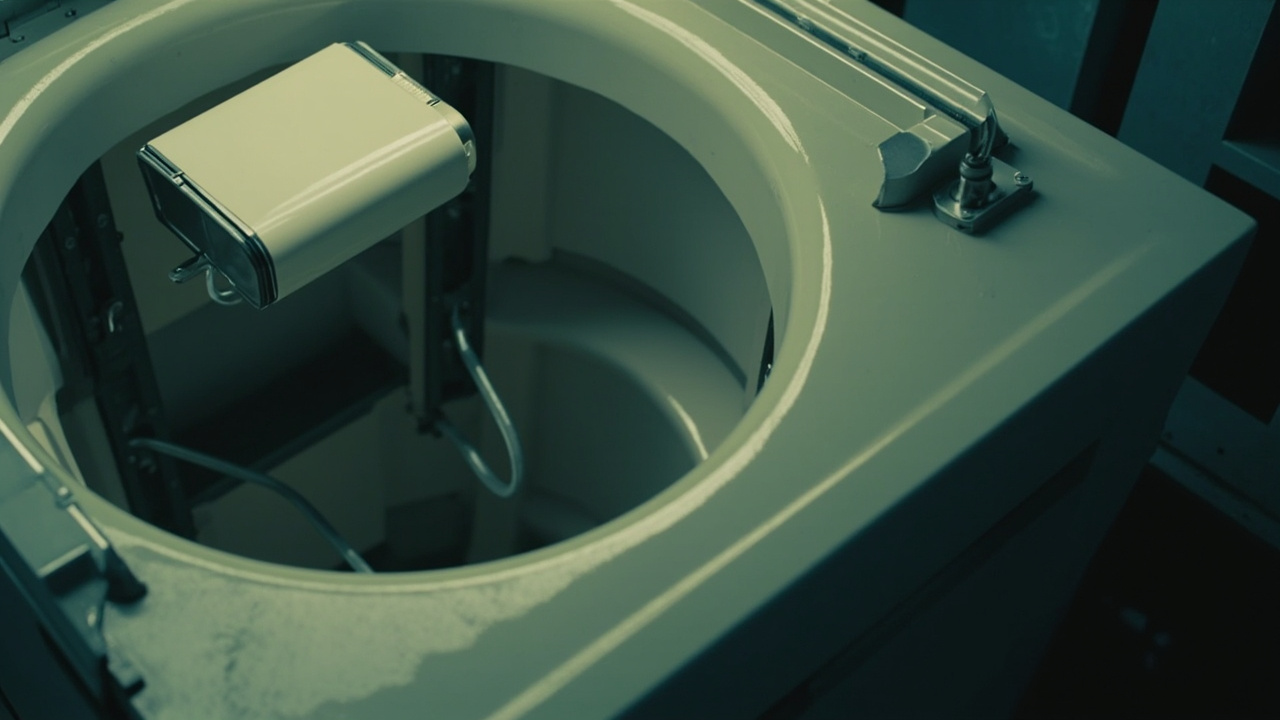
The cistern sits inside the frame and is the part most likely to need service over its life, so access through the flush plate opening matters more than anything else. A well-engineered cistern lets a plumber reach the fill valve, flush valve and overflow without breaking a single tile. The standard depth is around 110 to 120 millimetres, but low-profile cisterns squeeze into 80 to 90 millimetres for thin stud walls, at the cost of slightly smaller water volume.
Modern concealed cisterns are almost always dual flush, with a full flush of 4.5 to 6 litres and a half flush of 3 litres. The flush plate can be mechanical (a direct push-rod link to the valve), pneumatic (air pressure through a small hose, allowing the plate to sit up to 2 metres from the cistern) or even electronic for touch-free commercial use. For hotel and apartment projects, mechanical plates are the most serviceable and the most forgiving of dirty hands, while pneumatic plates offer design freedom when the cistern is offset behind a feature wall.
Installation depth and wall preparation
Wall-hung systems are not retrofittable into any wall. The classic installation builds a stud partition in front of the structural wall, leaving a cavity of roughly 120 to 150 millimetres that hides the carrier frame and cistern. The bowl then hangs on the frame through the finished tile face, supported by two long threaded rods and a sound-damping pad. Solid masonry walls require a chase cut to the depth of the cistern, which is messier but entirely doable.
The rough-in dimension, the horizontal distance from the finished wall to the centre of the waste pipe, must match the carrier specification before the wall is closed up. The standard is 180 to 230 millimetres, but the exact number depends on the bowl model. Getting this wrong means breaking tiles later, so confirm the bowl and frame as a matched set rather than buying them separately.
Sourcing from China and price comparison with floor-mounted toilets
A complete wall-hung kit from a Chinese factory typically bundles the carrier frame, the concealed cistern, the flush plate and the ceramic bowl, with the soft-close seat as an optional add-on. At the entry tier, expect roughly 110 to 160 US dollars per set for a basic mechanical flush and white glaze. Mid-range kits with pneumatic flush, branded-looking plates and a thicker frame land between 180 and 260 dollars, while premium sets with low-profile cisterns and full accessory packs reach 300 dollars plus.
For comparison, a floor-mounted ceramic toilet from the same factory often lands between 40 and 90 dollars. The wall-hung premium is therefore two to three times the price of a basic floor toilet, plus the labour of building the cavity wall. What you get back is easier cleaning, no visible pipework, a quieter flush and a measurable uplift in perceived project quality. For mid-range residential, hotel and serviced apartment schemes, that trade-off almost always pencils out. Insist on certificates such as WaterMark for Australia, WRAS where relevant for the UK, and CE marking for Europe, and request a glaze sample to confirm the ceramic is vitrified to under 0.5 percent water absorption so it will not stain over time.
Treat the wall-hung toilet as a system, not a product. Match the frame, cistern, plate and bowl from the start, verify the load and corrosion tests, and the installation will reward the project with twenty years of low-maintenance, hygienic performance that a floor-mounted toilet simply cannot match.