





Melamine vs Plywood Kitchen Cabinets: Which Board Material Saves You More
Walk into any Chinese cabinet factory and the first question a sales engineer asks is not about colour or door style, but about the core board. Melamine-faced particleboard and plywood are the two workhorses of kitchen cabinetry exported from China, and the choice between them reshapes the entire quotation. The wrong call can inflate a container by a third or, worse, deliver cabinets that swell and sag within their first humid season. This guide compares the two materials head to head so project buyers can write a purchase order that matches the real needs of the site.
How the two boards are actually built
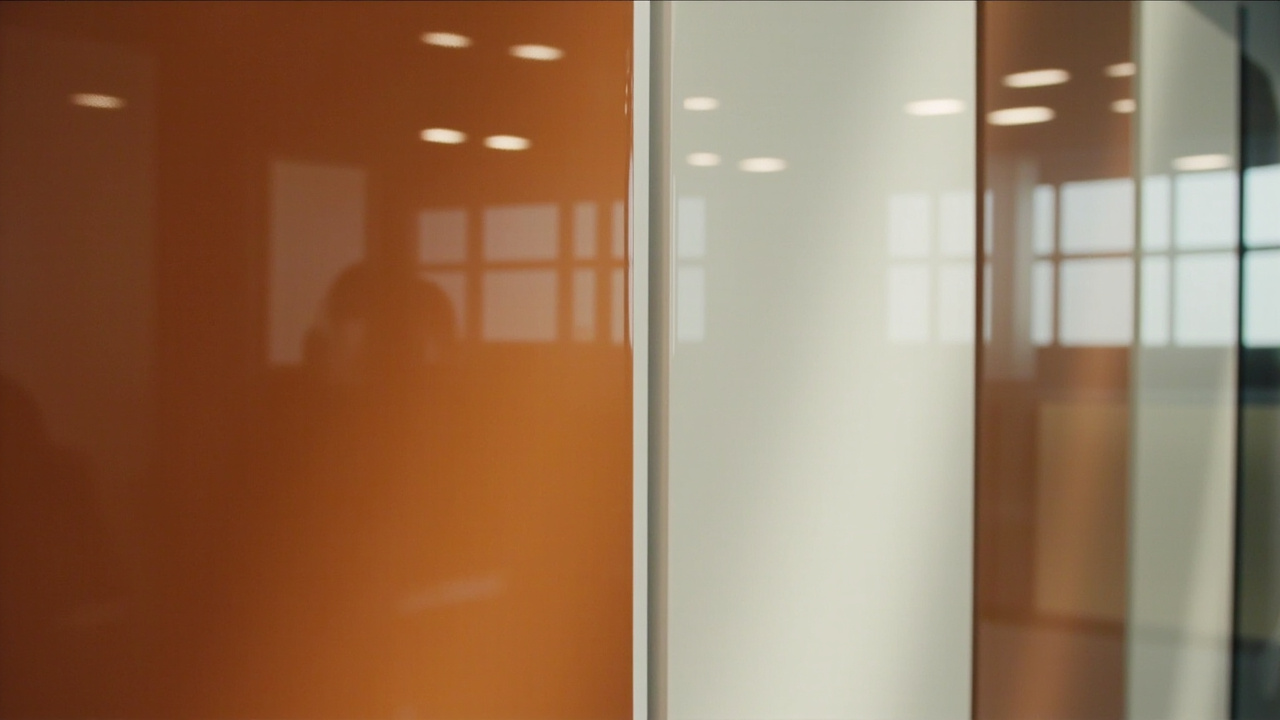
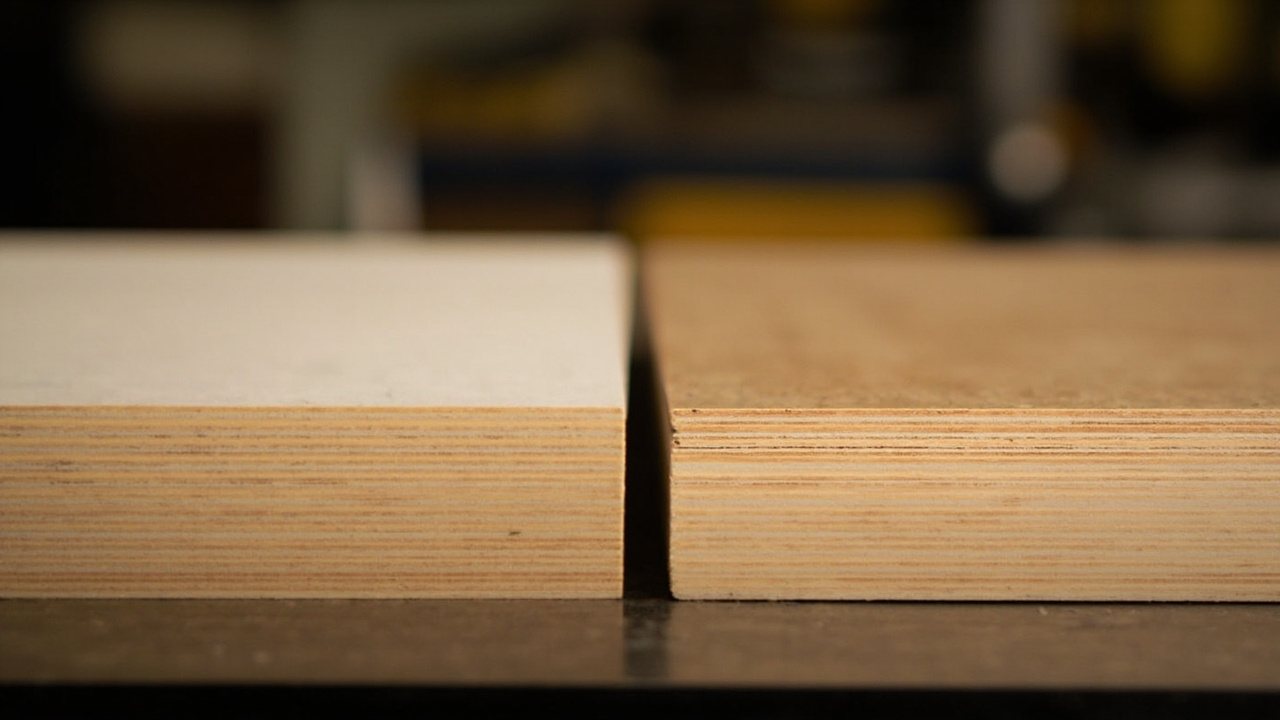
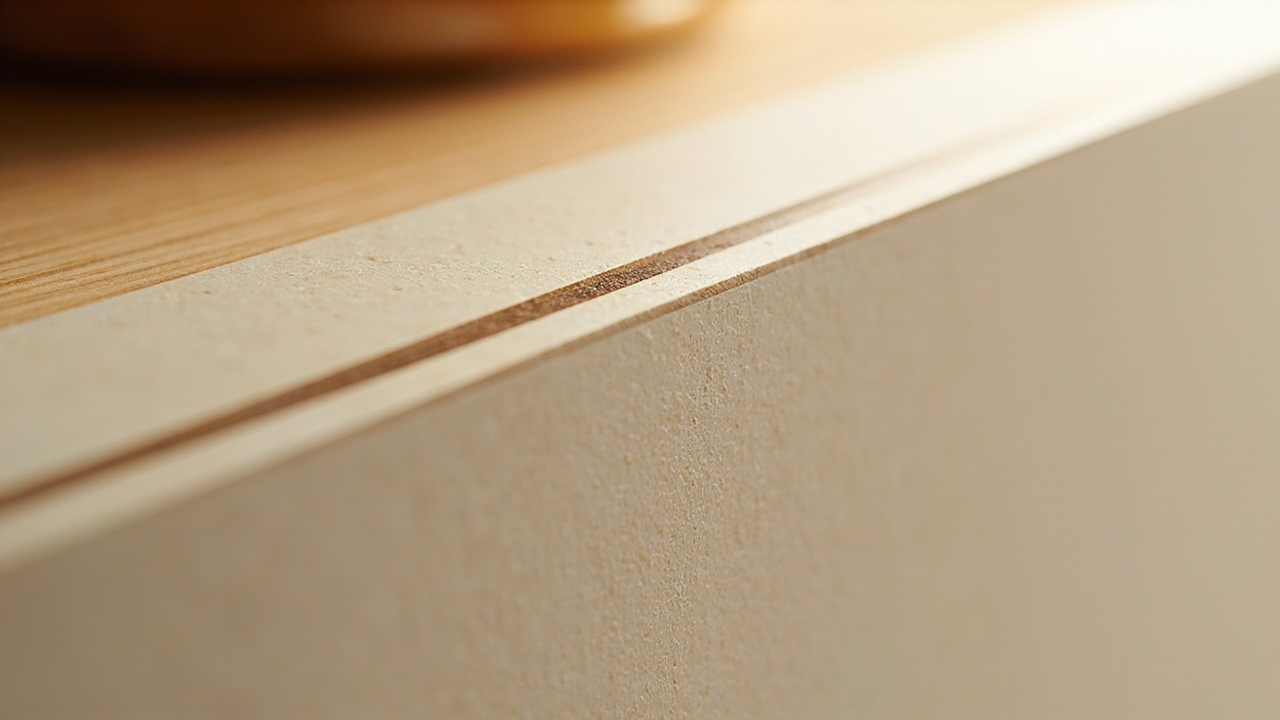
Melamine particleboard starts as wood chips and resin, pressed under heat into a dense sheet, then finished with a melamine-impregnated paper that is fused to the surface. The result is a closed, easy-to-clean skin available in hundreds of woodgrain and solid colours. Plywood, by contrast, is built from thin veneers of real wood glued cross-grain, layer upon layer, which gives it exceptional screw-holding strength and dimensional stability. Plywood is usually sold raw and then laminated or painted in the factory, so every visible face is a separate finishing decision rather than a pre-applied coating.
Cost structure and where the money goes
Melamine particleboard wins on price almost every time. A standard 18mm E1 melamine board sourced in China typically lands 25 to 40 percent cheaper than an equivalent plywood panel of the same thickness, and the pre-finished surface removes an entire spraying or laminating step. Plywood costs climb further when buyers specify a higher grade face veneer, water-resistant WBP glue, or E0 formaldehyde emission. For budget-driven residential developments, rental apartment refits or hotel rooms where cabinets are replaced on a five to seven year cycle, that gap is the difference between hitting margin targets and not.
Durability, moisture resistance and real-world failure modes
Where plywood pulls ahead is structural integrity. Its cross-grain construction resists warping, holds screws and hinges tightly even after years of door slamming, and tolerates the kind of incidental water exposure that turns particleboard into swollen cardboard. Coastal projects, tropical climates and any kitchen plumbed near the sink run are the natural home of plywood cores. Melamine particleboard is not fragile in dry conditions, but once water reaches the unprotected edge of a cut panel it swells irreversibly, which is why edge banding quality on melamine cabinets is a non-negotiable inspection point.
Weight, shipping and container economics
Particleboard is roughly 15 to 20 percent heavier than plywood for the same volume, and that matters once cabinets are stacked into a container. Heavier panels mean lower stack heights to stay within road weight limits, more cartons per truck on the inland haul, and a slightly higher per-unit freight share. Plywood, being lighter, lets buyers either pack more cabinets per container or mix in heavier accessory items. For LCL shipments the difference is minor, but for FCL orders of several hundred cabinets the freight maths can shift the value equation back toward plywood.
Specification checklist before you sign the PO
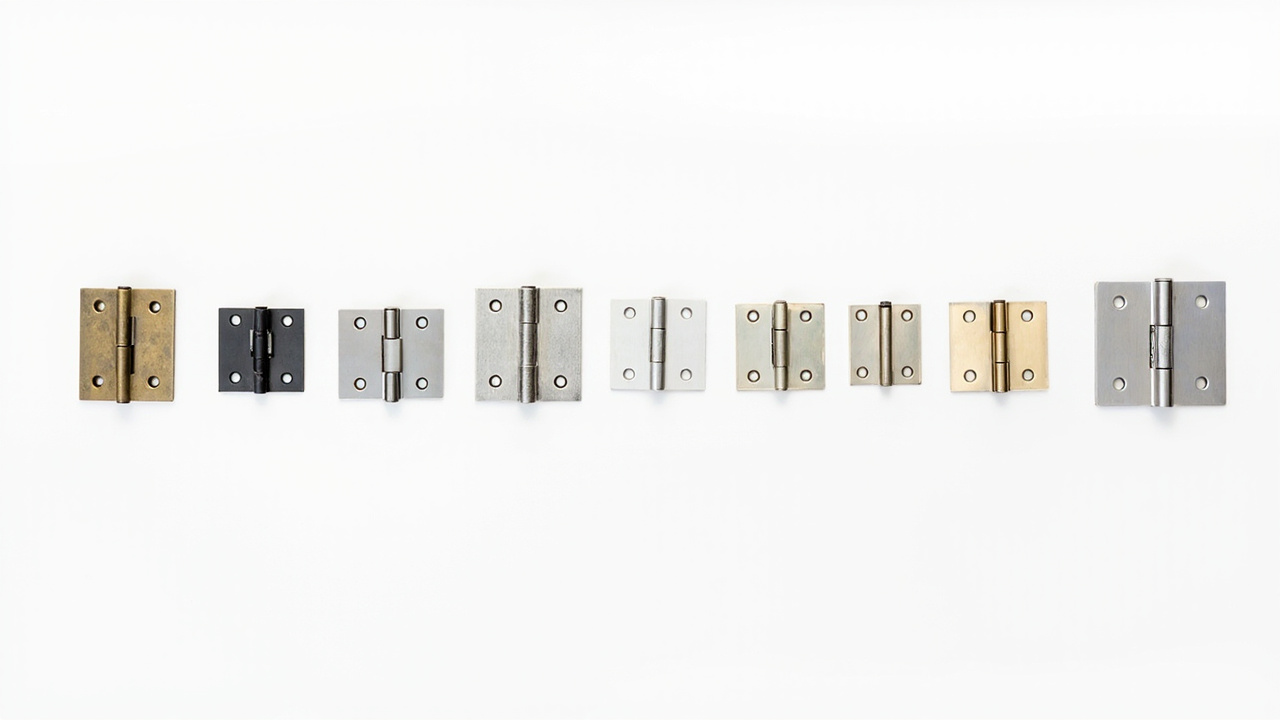
Whichever board you choose, the purchase order should pin down four values. First, the formaldehyde emission class, E1 as a minimum and E0 for projects serving sensitive occupants. Second, the thickness tolerance, ideally plus or minus 0.2mm, because hinge cups and cam locks depend on it. Third, the board density for particleboard, 680 to 720 kg per cubic metre is a sensible target. Fourth, the moisture resistance rating, with WBP or moisture-grade plywood for wet areas. Locking these numbers in writing is what separates a repeatable specification from a hopeful one.
There is no universal winner between melamine and plywood, only the right board for the right brief. Melamine particleboard delivers the lowest landed cost and a clean, repeatable finish for dry, budget-conscious interiors. Plywood buys structural reliability and moisture tolerance for projects that must last decades in demanding climates. Specify the board to the brief, inspect the result against the spec, and the cabinet line will perform exactly as the quotation promised.