





Lacquer vs PET Cabinet Doors: Surface Finish Comparison for Project Buyers
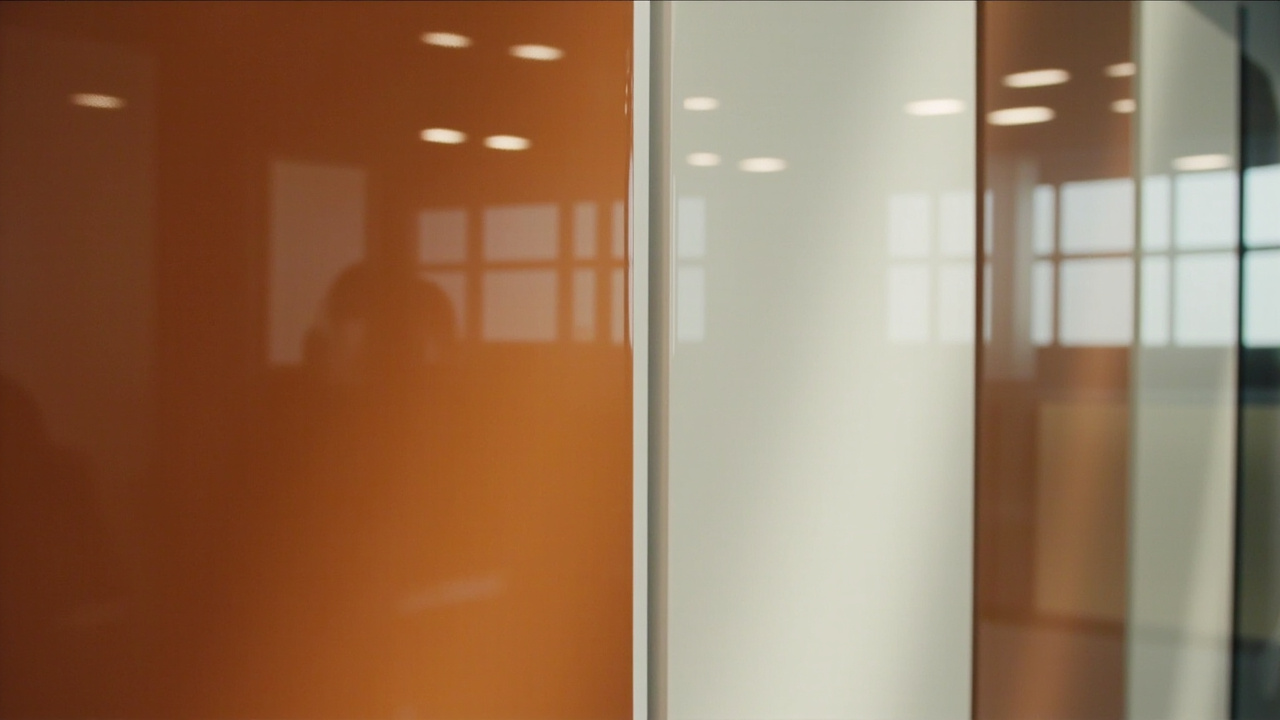
When a project buyer requests a "high-gloss modern door", two finishes usually land on the shortlist: lacquer (paint sprayed and baked onto MDF) and PET (a thermoplastic film heat-laminated onto a board). Visually they can look almost identical on a website thumbnail, yet their performance in a real kitchen is markedly different. Choosing the wrong one turns a premium-looking showroom sample into a warranty claim within eighteen months. This comparison breaks down the practical differences that matter on site.
How each finish is actually made
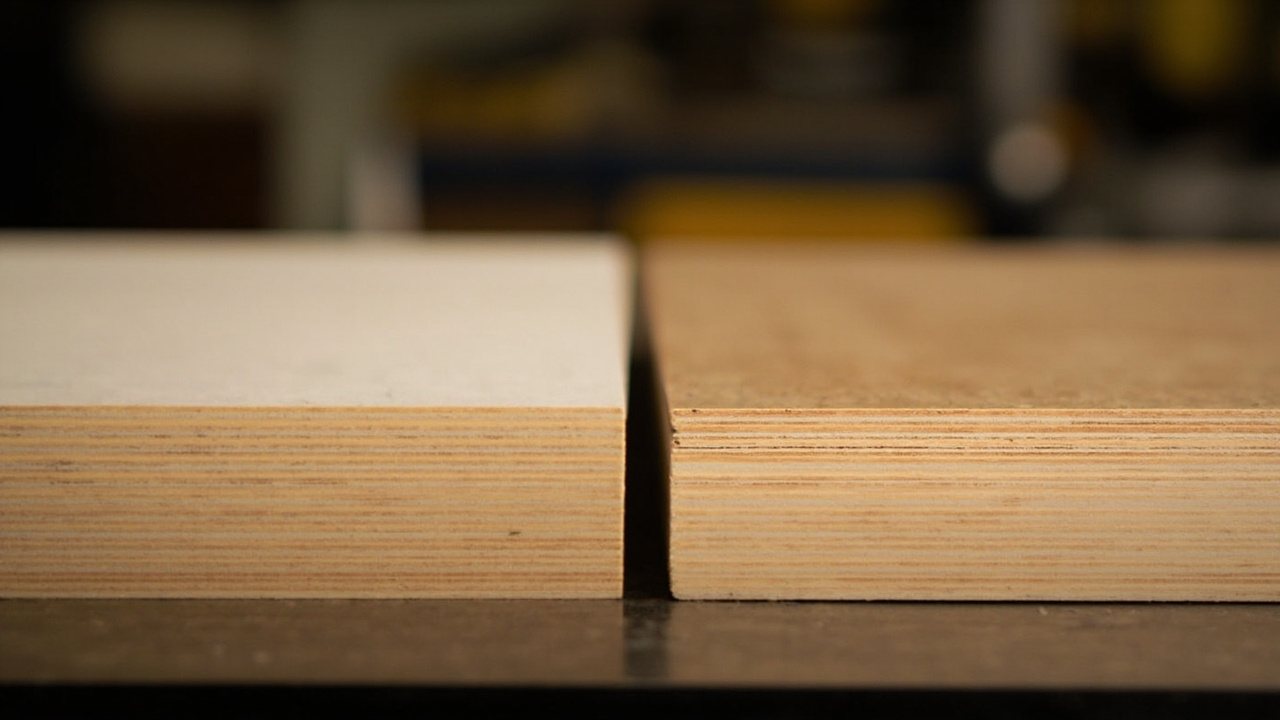
Lacquer doors begin as MDF panels that are primed, sprayed with polyurethane or UV paint, then cured under heat or ultraviolet lamps. Several sanding passes between coats produce a deep, glass-like surface that can be colour-matched to almost any RAL or Pantone reference. PET doors, by contrast, take a pre-coloured plastic film (polyethylene terephthalate, the same polymer family as water bottles but engineered for furniture) and bond it to an MDF or particleboard core with adhesive and a hot press. The colour is fixed inside the film rather than painted on top, which gives PET its signature scratch recovery: light scuffs can be gently heated away.
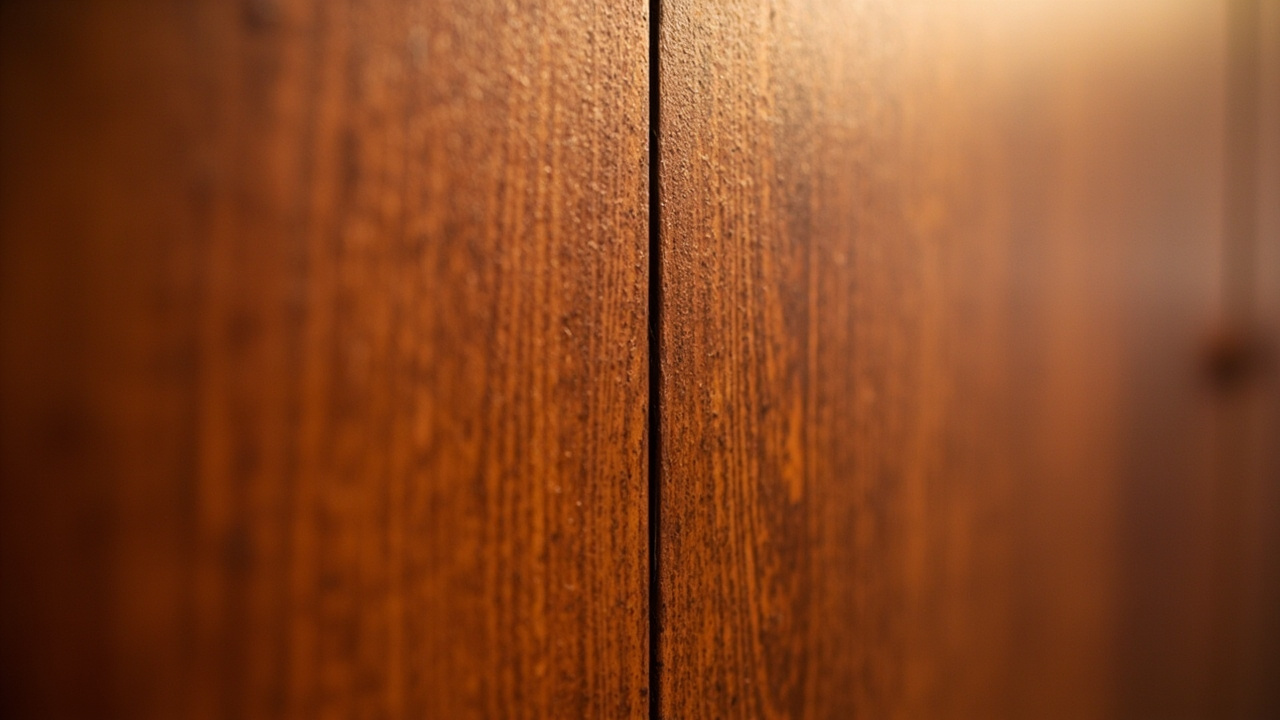
Scratch, stain and UV performance
PET film has a harder, more elastic surface than cured lacquer, so it resists the micro-scratches that come from rings, keys and everyday cleaning pads. It also shrugs off common kitchen stains such as turmeric, coffee and red wine far better than soft lacquer. Lacquer, however, wins on ultraviolet stability: a quality UV-cured lacquer holds its colour for years under a sunny window, whereas lower-grade PET films can show subtle yellowing over a long period. For coastal or equatorial projects with intense sun exposure, ask the supplier for UV-accelerated ageing data before committing.
Colour matching and design flexibility
If your project demands a precise brand colour, a wood-grain effect, or a complex profile with routed grooves, lacquer is the more flexible route. A spray booth can reproduce any reference and follow decorative routing that a flat film cannot wrap cleanly. PET excels at flat, handleless slab doors in consistent solid tones, which is why it has become the default finish for European-style minimal kitchens. Lead time also differs: lacquer typically needs 7 to 14 days more per batch because of drying and polishing cycles, while PET doors are pressed in a single pass and ship faster.
Price, lead time and the humid-climate verdict
For equivalent thickness and board grade, PET doors usually land 10 to 20 percent cheaper than a comparable lacquer finish, and they carry less risk of orange-peel or dust inclusions in the paint film. Lacquer production is also slower, because each coat needs flash-off time and the final polish is done by hand, so expect a lead time roughly a week longer than PET for the same order size. Where lacquer pulls ahead is repairability: a chipped lacquer door can be locally resprayed on site, while a torn PET film generally requires replacing the whole panel. For hotel and resort projects in humid tropical climates, our recommendation is clear. PET is the safer specification: its closed surface does not absorb moisture, it will not blister when humidity rises, and its scratch resistance survives housekeeping trolleys and luggage bumps far better than lacquer.
As a rule of thumb, specify PET for high-traffic, high-humidity environments where durability and cost control outweigh bespoke colour needs. Reserve lacquer for feature kitchens, branded suites, or designs that absolutely require a custom hue or routed detailing that film cannot deliver. Many of the best projects combine both: PET on the bulk of the run and lacquer on a signature island or display wall. Whichever you choose, always order the full quantity in a single production batch and lock the finish with a signed-off physical sample, because batch-to-batch colour drift is the silent killer of an otherwise clean handover.