





Upholstery Fabric Selection Guide: Martindale, Composition and Fire Standards
Upholstery fabric is the most visible and most abused component of any furniture order. A sofa frame can last twenty years, but if the fabric pills, fades or fails a fire inspection in the first year, the whole piece is written off. The buyers who source upholstery from China successfully are the ones who learn three numbers — the Martindale rating, the fibre composition and the fire-retardant standard — and treat them as non-negotiable contract terms rather than marketing suggestions.
Martindale: the abrasion number that matters most
The Martindale test measures how many cycles of abrasive rub a fabric can survive before two threads break or the surface visibly wears. The number is the single most important specification in commercial upholstery. Residential fabrics start at 15000 cycles; light commercial use such as a boutique hotel lobby sofa needs 30000 cycles; heavy commercial use in an airport lounge or a busy restaurant requires 50000 cycles or more. A fabric sold as "commercial grade" without a Martindale number on the datasheet is almost certainly below 20000 and unsuitable for any hotel application. When sourcing from China, ask for the test report from a recognised lab — SGS, Intertek or TUV — rather than the factory's self-declared figure, because the difference between a real 30000-cycle fabric and a self-claimed one shows up within six months of guest use.
Fibre composition: polyester, linen, velvet and blends
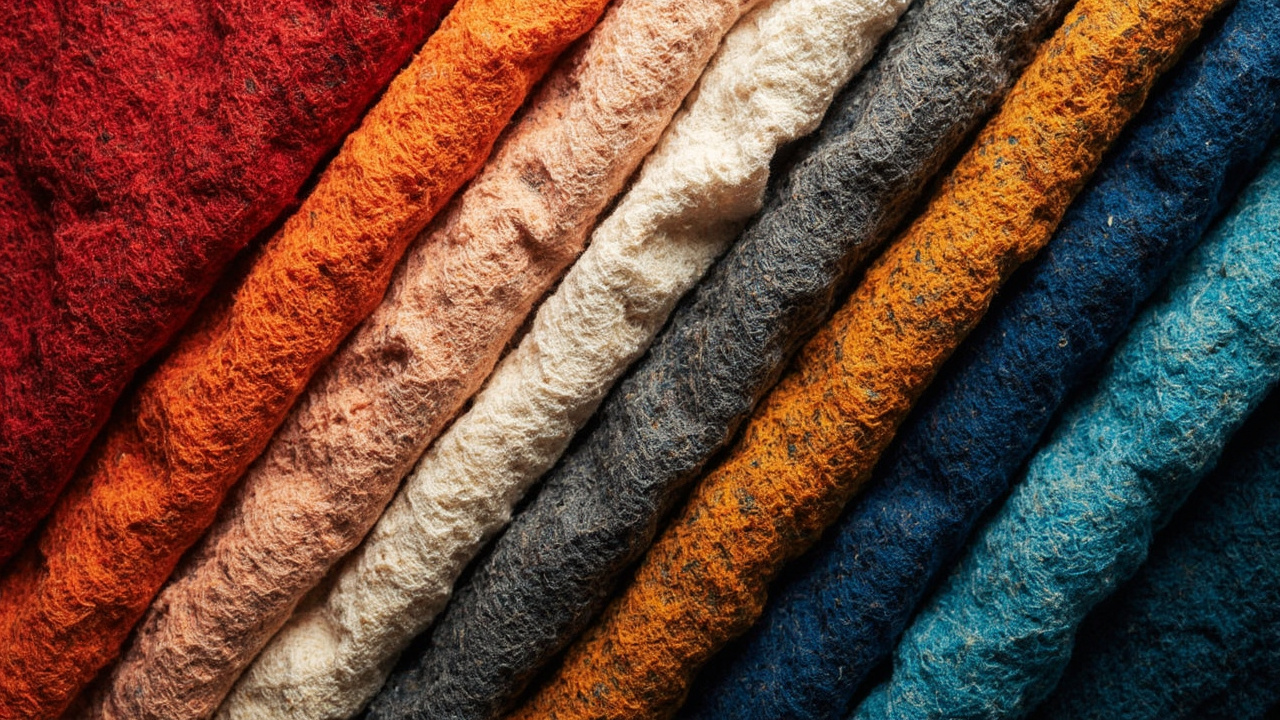
The fibre blend decides how a fabric feels, how it ages and how it cleans. One hundred percent polyester is the workhorse of commercial upholstery: it is cheap, colour-fast, easy to clean and available in thousands of colours and weaves, though it can pill in low-density constructions. Linen and linen-look fabrics (often a polyester-linen blend) deliver a natural texture that suits boutique hotels and residential settings, but pure linen wrinkles and stains easily, so a blend with at least fifty percent polyester is the practical choice. Velvet, usually woven from polyester or a polyester-viscose blend, gives a luxurious depth of colour for headboards and accent chairs but shows tracking and crush marks in high-traffic areas. For outdoor or humid environments, solution-dyed acrylic (Sunbrella-style) and olefin resist UV, mildew and chlorine where natural fibres fail. The buyer's task is to match the fibre to the application, not to chase a single "best" fabric.
Fire-retardant standards: the legal gatekeeper
Fire-retardant certification is not a quality preference but a legal requirement that varies by market and that blocks customs clearance if missing. The United Kingdom requires BS 5852 (crib 5 ignition source) for all upholstered furniture sold or installed; the United States accepts California Technical Bulletin 117 (CA 117), which is less stringent but mandatory for any product sold into California; the European Union references EN 1021 for low-ignition resistance. China produces fabrics that meet all three standards, but the certificates are not interchangeable: a BS 5852 fabric cannot be sold into the US without a separate CA 117 report, and vice versa. The certificates must be issued for the exact fabric construction (fibre blend, weight and backing), because changing the backing can void the fire performance. Ask for the certificate to be issued in the buyer's name, not the factory's, so the legal chain of responsibility is clean.
Colour fastness, price per metre and minimum order
Colour fastness is the second silent killer of upholstery. A fabric that fades from direct sunlight in a hotel lobby window looks tired within a year and must be replaced. Specify a light fastness rating of at least grade 5 on the blue wool scale for any fabric exposed to daylight, and grade 4 for artificially lit areas. On price, upholstery fabric from China runs from two US dollars per metre for a basic polyester to twenty dollars or more for a velvet with a fire-retardant backing; the typical commercial range is four to eight dollars. The minimum order quantity is usually five hundred to one thousand metres per colour, which is fine for a hotel project but a barrier for a single-room sample; negotiate a sample order of fifty metres at a slightly higher price to test the fabric in the actual room before committing. Finally, request a batch-consistency guarantee, because dye-lot variation between two production runs can leave two adjacent sofas visibly different shades.
Upholstery fabric sourced from China can match the performance of European mills at half the price, but only when the Martindale rating, the fibre composition, the fire-retardant certificate and the colour fastness are written into the contract. Learn the three numbers, verify them with third-party reports, and the fabric on the showroom sample will be the same fabric that arrives in the container — and the same fabric that still looks right after the thousandth guest has sat down.