





Top 10 WPC Decking Manufacturers in China
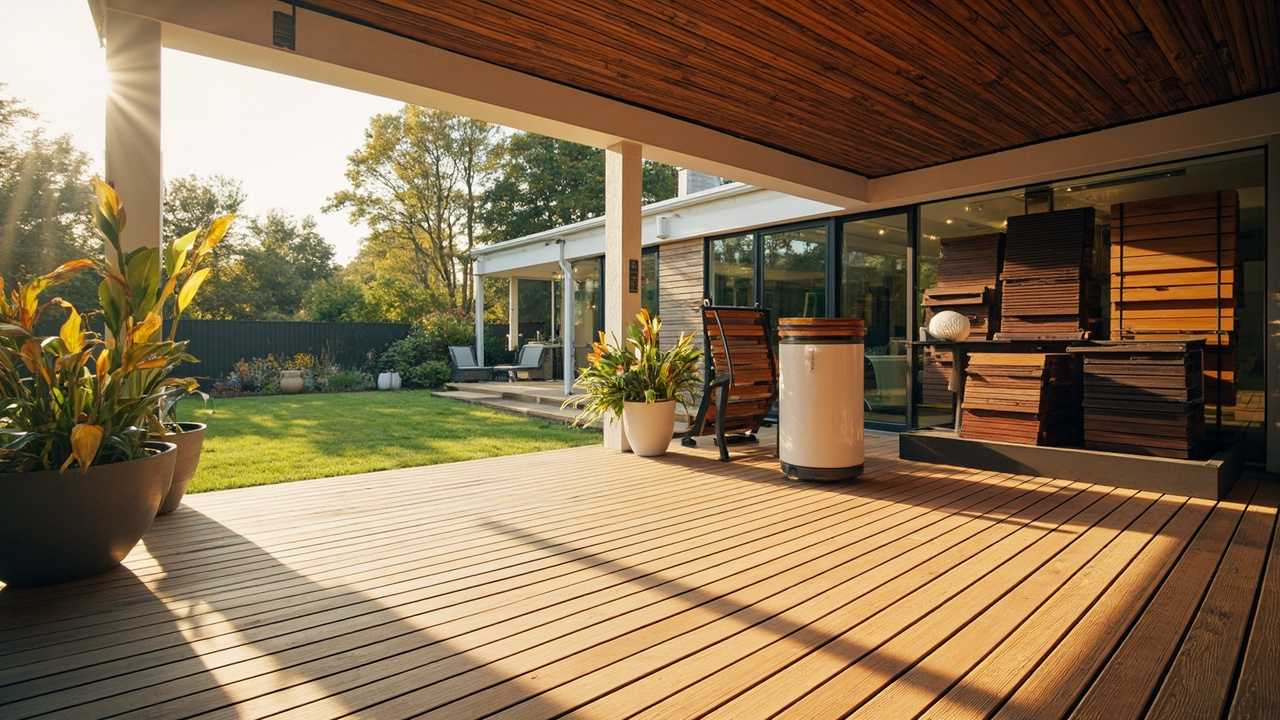
Wood-plastic composite decking has replaced tropical hardwood in many outdoor projects because it offers the warmth of wood without the annual oiling, and because it can bend around curved pools and roof gardens. China now produces most of the world's WPC, concentrated in Anhui, Zhejiang and Guangdong, but the gap between a deck that still looks new after five summers and one that fades, stains and splinters is measured in polymer base, wood flour content and capping technology. This guide sorts the export-grade factories into ten archetypes so a project buyer can match a supplier to the climate and the brief.
What defines an export-grade WPC factory
Four numbers tell most of the story. The polymer base: HDPE produces a tougher, more weather-resistant board than PVC, and HDPE is the standard for the premium export market. The wood flour content: 50 to 60 percent is the sweet spot, high enough to feel like wood and low enough to resist fungal growth. The capping: a co-extruded polymer cap (ASA or HDPE) wrapped around the core in a second extrusion pass, giving the board its colour fastness and stain resistance. The colour fastness: a 3000-hour QUV test that simulates five years of tropical sun, with a Delta E colour shift under 3.
The integrated HDPE-capped groups
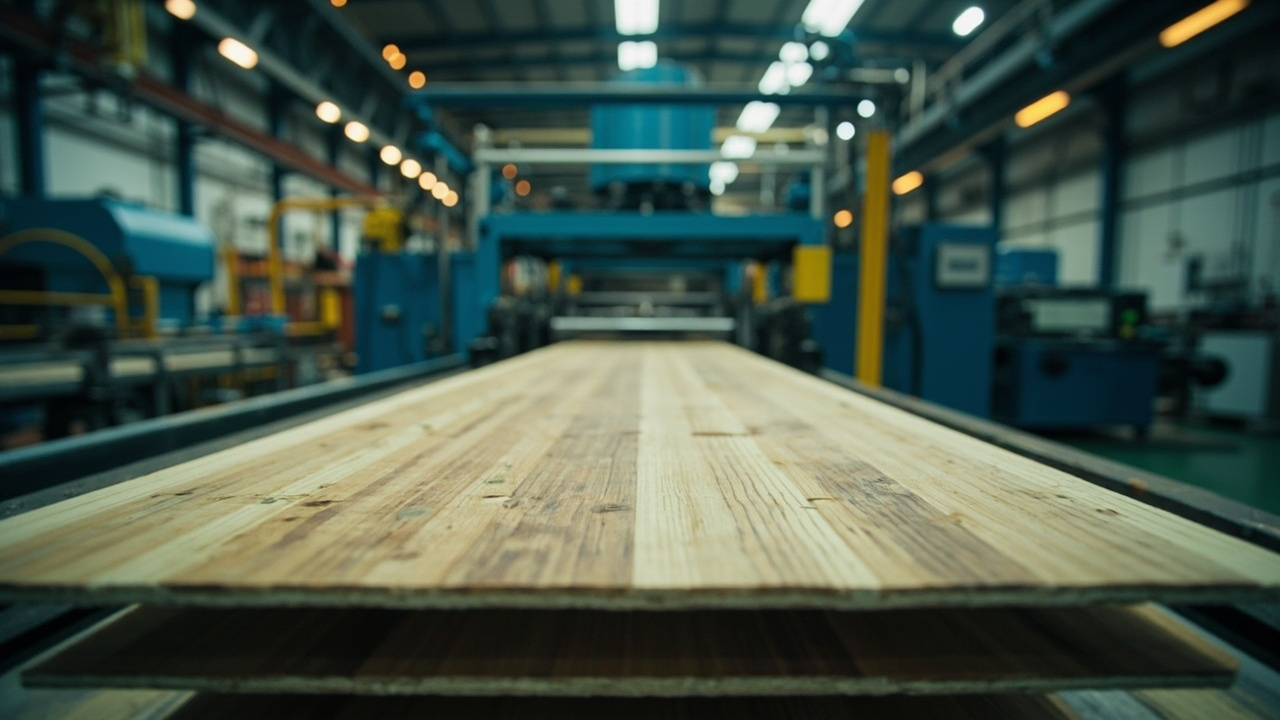
At the top sit vertically integrated groups that compound their own HDPE and wood flour, run the core extrusion and the cap co-extrusion in one line, and hold their own mould tooling for hollow and solid profiles. They produce the full range, from hollow standard boards to solid heavy-duty profiles for commercial decks, and they hold CE, ICC-ES and ESR certificates. These are the default partners for hotel pool decks, villa terraces and commercial boardwalks where the colour must stay true across thousands of square metres and where a warranty claim five years out is a real possibility.
The uncapped value producers
A second tier produces uncapped WPC at a lower price. The board is a single extrusion of HDPE and wood flour, with the colour mixed in during compounding. The unit cost is attractive, but the board will fade over two to three years of direct sun, and it will stain more easily than a capped board. They are the right call for shaded projects, for indoor applications, and for budget residential decks where the buyer accepts re-staining or replacement within a decade.
The capping and ASA specialists
Some factories make their reputation on the cap. They run ASA (acrylonitrile-styrene-acrylate) co-extrusion lines, where the ASA cap is engineered for outdoor weatherability and colour retention far superior to HDPE caps. The cap is thin (around 0.3 millimetre) but it carries the entire colour, the entire scratch resistance and the entire UV stability of the board. They are the partner for a project in a high-UV climate: the Gulf, Australia, the Caribbean, the Mediterranean coast.
The hollow and clip-system specialists
A focused category produces hollow boards with a dedicated clip system. The hollow profile saves material (a board weighs half of a solid equivalent) and the engineered clip lets the board expand and contract without warping. The craft is in the wall thickness of the hollow chambers (minimum 5 millimetres to resist point loads) and in the design of the clip groove. They are the right call for residential decks and roof gardens where weight is a concern and where a hidden fastener look is desired.
How to qualify a WPC supplier
Before requesting prices, send the project location, the deck area, the colour and finish required, the profile (hollow or solid), the board dimensions, and the quantity. Ask for the polymer base certificate (HDPE or PVC, named), the wood flour content report, the capping spec (uncapped, HDPE cap or ASA cap), the QUV colour fastness test report (3000 hours, Delta E under 3) and a one-metre sample of each colour. Test the sample: weigh it to confirm density (around 1.2 grams per cubic centimetre for HDPE), leave it in direct sun for a month and check for fade, drag a chair across the surface to check scratch resistance, and stand a board on bricks and jump on the centre to check flexural strength. Then shortlist two factories of different archetypes and decide on warranty terms and cap technology rather than on the per-square-metre price. Sourcing WPC direct from China still saves 30 to 50 percent against a regional distributor, but only when the buyer treats the polymer base, the capping and the colour fastness test as the three non-negotiables.