





Top 10 Wood Veneer Manufacturers in China for Project Buyers
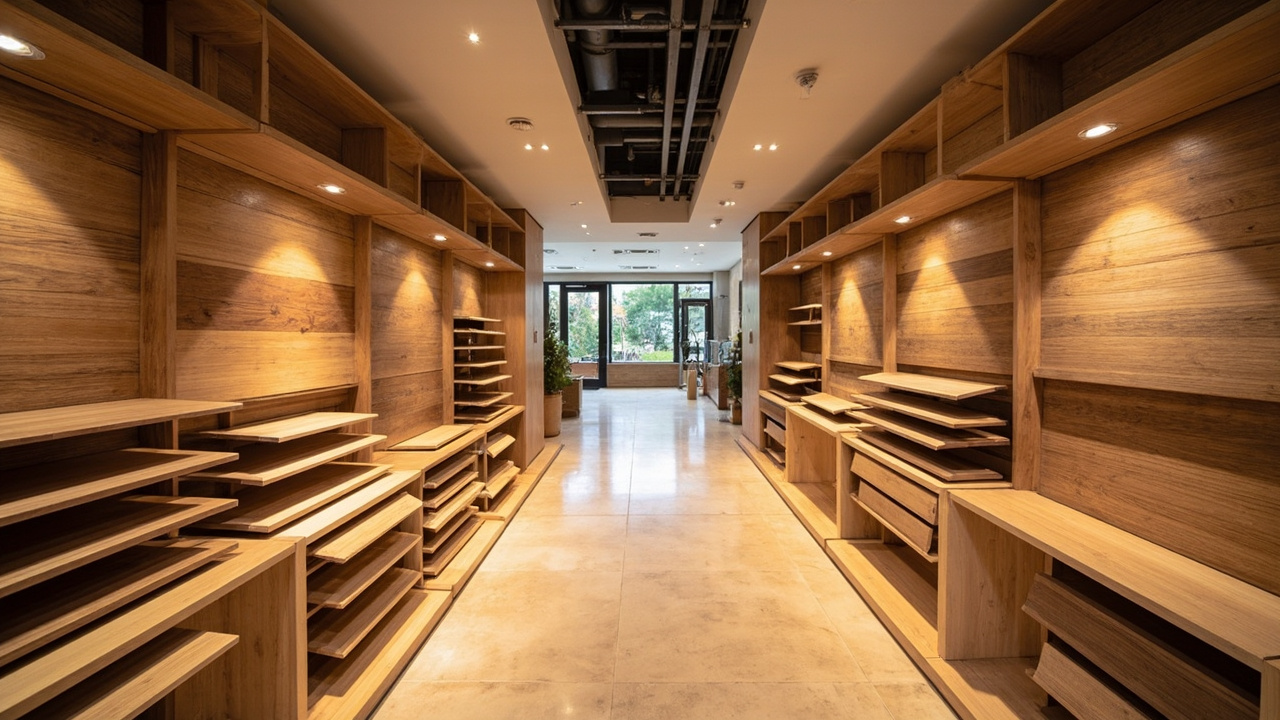
Wood veneer is the surface that makes a hotel wardrobe, a boardroom wall or a luxury apartment door feel like solid timber without the cost and movement problems of solid wood. It is also the surface most likely to telegraph mismatched flitches, glue bleed-through or unstable backing into a finished project, because veneer is a thin, living material that expands and contracts with humidity. This guide profiles ten Chinese wood veneer manufacturers worth meeting for project work, and explains the species, slicing, thickness and backing choices that separate a stable veneer from one that splits after the first dry season.
Why veneer sourcing rewards specification by species and slice
Chinese veneer producers cluster in Shanghai, Dongguan, Deqing and Linyi, and now cover every category a project could need: natural veneer sliced from real logs of oak, walnut, teak, sycamore, cherry and anigre; engineered veneer (also called reconstituted or recon veneer) made from fast-growing poplar dyed and re-bonded to imitate exotic species with consistent colour; and flexwood paper-backed veneer for curved applications. The cost gap against European or American veneer traders typically runs 40 to 60 percent at equivalent visual quality, and Chinese makers now match Italian recon veneer quality at two thirds the price. The decisive trick is specifying species, slicing style (crown, quarter or rift) and thickness as a set, not just picking a colour from a sample book.
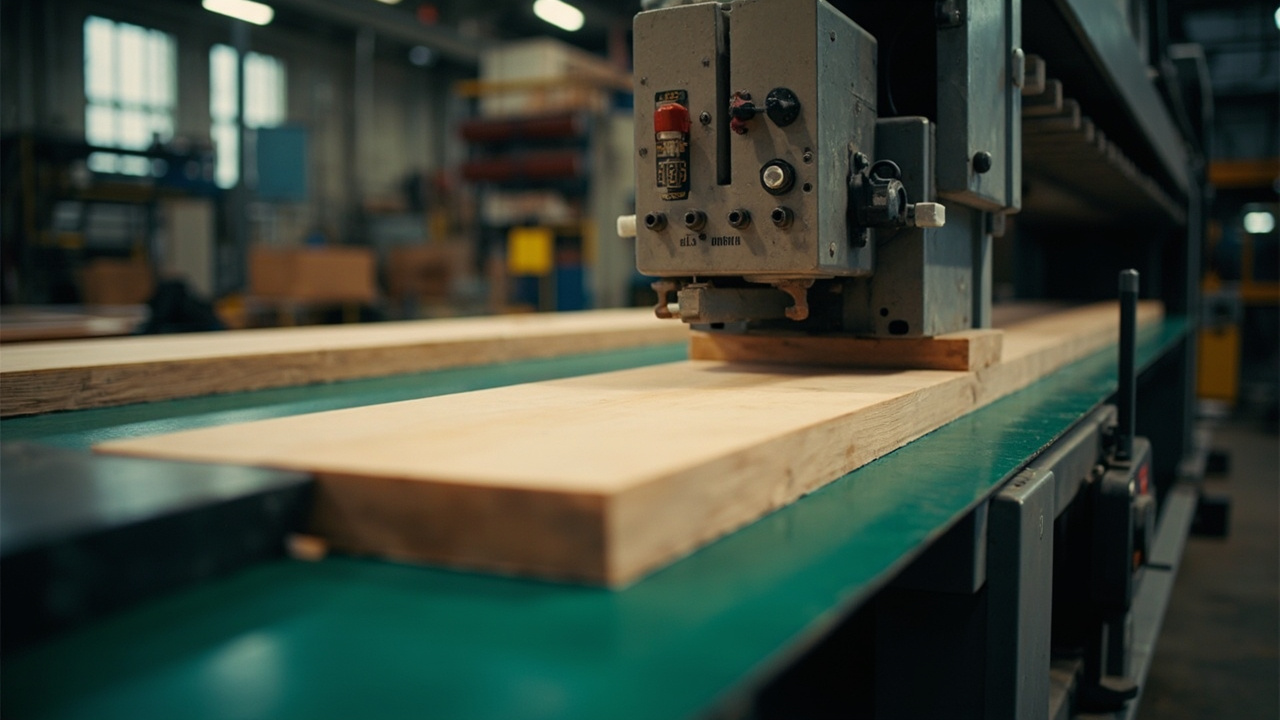
Ten manufacturers worth shortlisting
The list mixes large multi-species groups with focused specialists. Match the supplier to the species and the project tier — few factories excel at natural and recon veneer at the same time.
1. Vires Veneer (Shanghai) — Large natural veneer producer with deep stock of European oak, American walnut and teak flitches, strong for hotel lobby and boardroom work.
2. ChengFeng (Dongguan) — Engineered (recon) veneer specialist with consistent colour matching, popular in chain hotel programmes.
3. Yinxing Wood (Deqing) — Natural veneer producer focused on domestic species including Chinese walnut and ash, suited to mid-range hospitality.
4. More Wood (Guangzhou) — Paper-backed and fleece-backed flexwood producer for curved furniture and panel work.
5. Yip's Veneer (Hong Kong office) — Premium veneer trader with international log sourcing, suited to high-end residential and boutique hotel.
6. Rongtai Wood (Linyi) — Volume natural veneer producer at competitive pricing, suited to budget apartment and hotel programmes.
7. Junhua Wood (Shanghai) — Specialist in dyed and smoked veneer finishes, popular in designer hospitality and feature walls.
8. Sun Veneer (Dongguan) — Burl and figured veneer specialist, suited to statement furniture and luxury feature panels.
9. Vina Wood (Guangzhou) — Reconstituted veneer producer with deep colour palette, popular in modern hotel and apartment interiors.
10. Lida Wood (Deqing) — Mid-range natural veneer producer with reliable thickness tolerance and consistent flitch length.
Specifications that protect the order
Five engineering details separate a project-grade veneer order from a retail one. First, the species: oak and walnut dominate hotel work, teak and cherry suit classic interiors, and sycamore and anigre suit light modern schemes. Second, the slicing: crown cut gives the classic cathedral figure, quarter cut gives straight vertical grain for boardroom work, and rift cut gives a clean comb figure for modern interiors. Third, the thickness: 0.6 mm is standard for pressed panel work, 0.4 mm for paper-backed flexwood, and 1.0 to 2.0 mm for heavy-duty flooring veneer. Fourth, the backing: paper backing for curved work, fleece backing for flat panels subject to humidity swings, and no backing for pressed HPL or MDF. Fifth, the moisture content: veneer should ship at 8 to 12 percent moisture content with a humidity-controlled container, and should be acclimatised on site for 48 hours before pressing.
MOQ, packaging and pricing reality
Veneer MOQ is genuinely flexible for many factories: natural veneer often has MOQ of 500 to 2000 square metres per species, engineered veneer 300 to 1000 square metres, and paper-backed flexwood 200 to 500 square metres. Production lead time is 15 to 25 days for stock species and 30 to 45 days for custom slicing, dyeing or recon formulations. Veneer ships in flitch bundles wrapped in plastic inside timber crates or reinforced cartons, with humidity indicator cards. Expect FOB pricing of roughly USD 3 to 8 per square metre for natural oak and ash veneer, USD 6 to 14 for natural walnut and teak, USD 4 to 9 for engineered recon veneer, USD 8 to 20 for paper-backed flexwood, and USD 25 to 80 per square metre for premium burl and figured veneer. Always confirm whether the quoted price includes pressing onto substrate or is for raw veneer only, since the gap can be significant.
Wood veneer is judged not on the day it is pressed, but in year three, when a cheaper spec would already be splitting at the joints. Specify the species, slice and thickness, request a moisture content certificate, and inspect the first flitch bundle in person before the balance ships. With that discipline, the ten manufacturers above can deliver veneer surfaces that stay flat, matched and colour-stable for the full warranty period, instead of becoming the most complained-about finish in the project.