





Top 10 Water Purifier Manufacturers in China

Water purifiers are a fast-growing export category as more projects, from residential towers to serviced apartments and hotels, want point-of-use drinking water without single-use bottles. China builds the full range, from low-cost countertop carbon filters to multi-stage reverse osmosis systems for a whole apartment, and the difference between a reliable factory and a marginal one is measured in cartridge life, pump noise and water wastage rather than appearance. This guide explains the technologies, the specifications buyers should ask for and how to brief a factory for a real project order.
Reverse osmosis versus ultrafiltration and the right technology
The two dominant technologies answer different water problems, and the wrong choice wastes money. Reverse osmosis (RO) forces water through a 0.0001 micron membrane and removes virtually everything, including dissolved salts, heavy metals, fluoride and bacteria, leaving near-pure water with a low TDS reading. RO is the right pick where the source water is hard, mineral-heavy or of unknown quality, such as bore wells and most urban supplies in South Asia and the Middle East. The trade-offs are the storage tank, the wastewater ratio (typically 1:3 of clean to drain water on cheaper systems and 1:1 on better ones) and the slower flow rate. Ultrafiltration (UF) uses a 0.01 micron membrane that removes bacteria, sediment and most cysts but leaves dissolved minerals and salts, so the water still tastes like water; UF suits soft municipal supplies in cities where the source water is already treated. A serious factory will tell you which technology fits your project water, while a weak factory will push whichever it has in stock.
Cartridge stages, pump quality and housing plastics
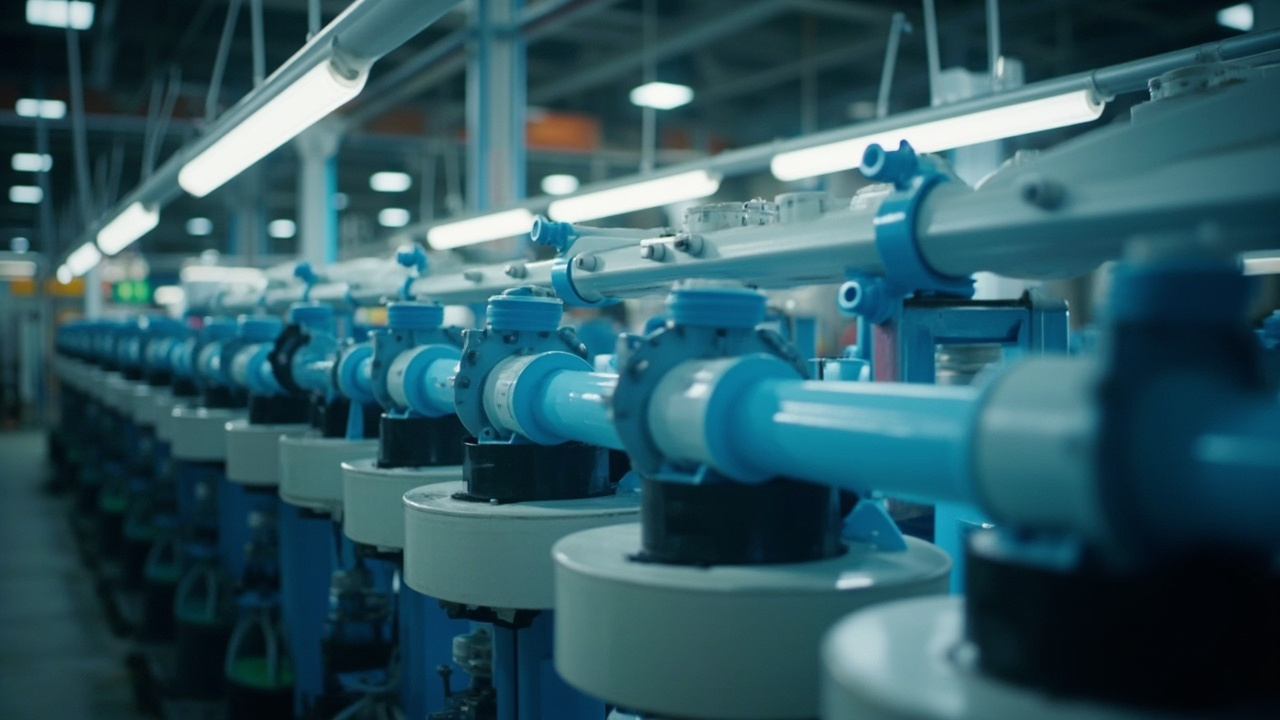
A purifier is really a chassis that holds a sequence of cartridges, and the stages determine what gets removed. A typical 5-stage RO system runs a 5 micron sediment filter, a pre-carbon block for chlorine, the RO membrane, a post-carbon polisher for taste and a final inline filter. Specify the cartridge size, the standard 10-inch or the larger 20-inch for higher capacity, and confirm the brand and grade of the activated carbon, because coconut-shell carbon gives a cleaner taste than coal carbon. The booster pump is the second quality differentiator: a good pump runs at a quiet hum below 50 decibels and lasts 8000 hours; a cheap one buzzes audibly and fails inside two years. For the housings and the chassis, ask for food-grade PP (polypropylene) and BPA-free plastics, and on the fittings insist on quick-connect fittings from a named brand rather than generic push-fit parts, which are the most common source of slow leaks.
Flow rate, TDS reduction and certification
The headline performance figures are flow rate, TDS reduction and rejection rate, and they are what separate a hotel-spec purifier from a budget one. The flow rate of an RO system is measured in gallons per day (GPD); a 75 to 100 GPD system is enough for a family kitchen, while a 400 GPD system serves a small office without a storage tank. TDS reduction should be over 90 percent on a working RO system, and the factory should be able to show a lab test result on the specified feed water, not a generic marketing number. On certification, NSF/ANSI standards (NSF 58 for RO, NSF 42 for aesthetic effects, NSF 53 for health effects) are the international benchmark; CE covers electrical safety for the European market. Many Chinese factories hold only the cheaper domestic GB standard, which is fine for some buyers but a problem for hospitality projects that need to show international compliance to their end client.
OEM branding, MOQ and locking the order
The ten factories in this category range from branded-label exporters to pure OEM specialists that ship under your own brand. Send your shortlisted three the same brief: the project country and source water quality, the technology preference (RO, UF or both), the daily volume per unit, the installation type (under-sink, countertop or wall-mount), the certification required and the target quantity. Ask for a paid sample of the full system with all cartridges installed, plus the wastewater ratio measured at their test bench. When the sample arrives, run it for a week on real source water and check four things: the actual TDS reduction with a handheld meter, the storage tank refill time, the pump noise level, and the wastewater-to-clean ratio. Negotiate on the accessory pack: a factory that ships the system with a full cartridge set, a dedicated faucet, an installation wrench and a multilingual manual saves the installer hours per unit. The OEM MOQ for a private-label model is typically 500 to 1000 units with a lead time of 35 to 45 days; the cartridge MOQ, often quoted separately, is the recurring business that drives long-term margin.
The right water purifier manufacturer for a project is the one whose chosen technology, cartridge stages, pump quality and certifications match the source water and the end client expectations. The ten factories here cover the full spectrum from cost-led UF countertop units to high-flow tankless RO systems, so the buyer job is to match the project water and volume to the factory specialism, then validate the system with a paid sample and a one-week bench test before the bulk order.