





Top 10 uPVC Window Manufacturers in China
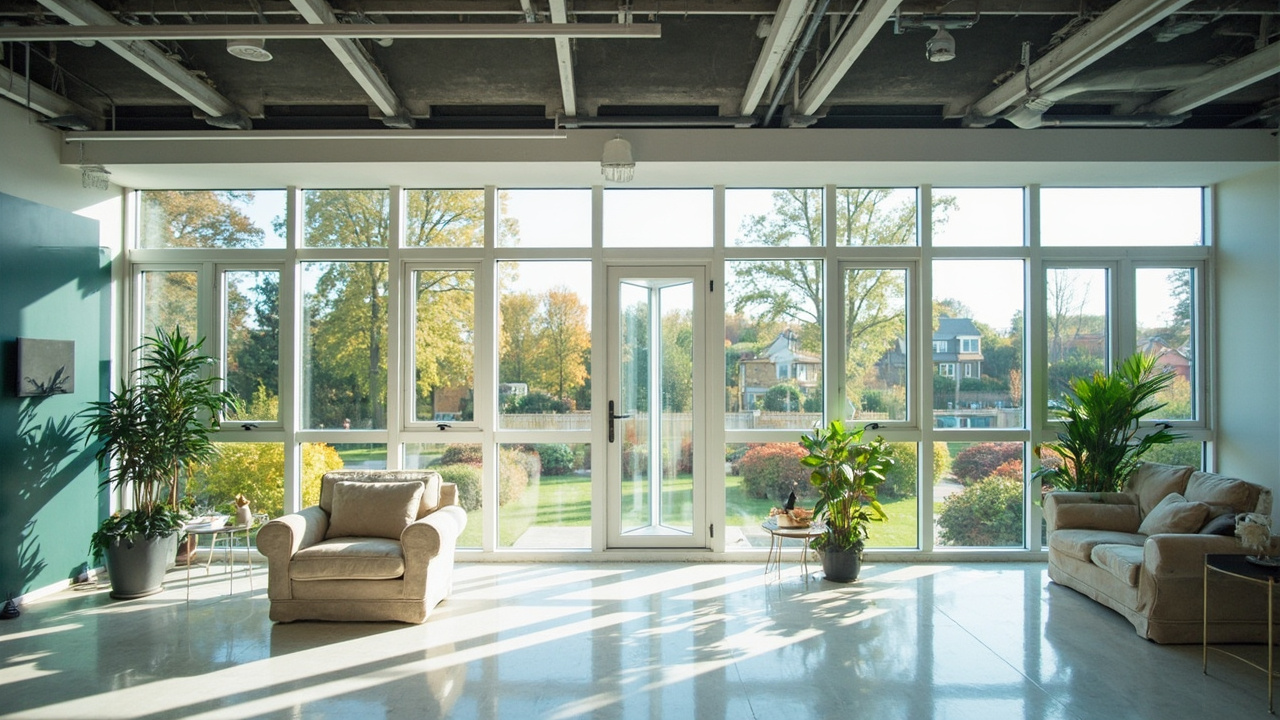
A uPVC window carries its performance in its profile. The wall thickness of the vinyl, the gauge of the steel reinforcement inside, the number of chambers inside the frame and the glazing system together decide whether a window holds heat, blocks sound and keeps rain out for twenty years, or whether it flexes, leaks and yellows within five. China is the largest producer of uPVC windows in the world, concentrated in Zhejiang, Shandong and Liaoning, but the gap between an export-grade unit and a budget one is measured in profile grade, steel weight and hardware cycles. This guide sorts the export-grade factories into ten archetypes so a specifier can match a supplier to the climate and the building.
What defines an export-grade uPVC window factory
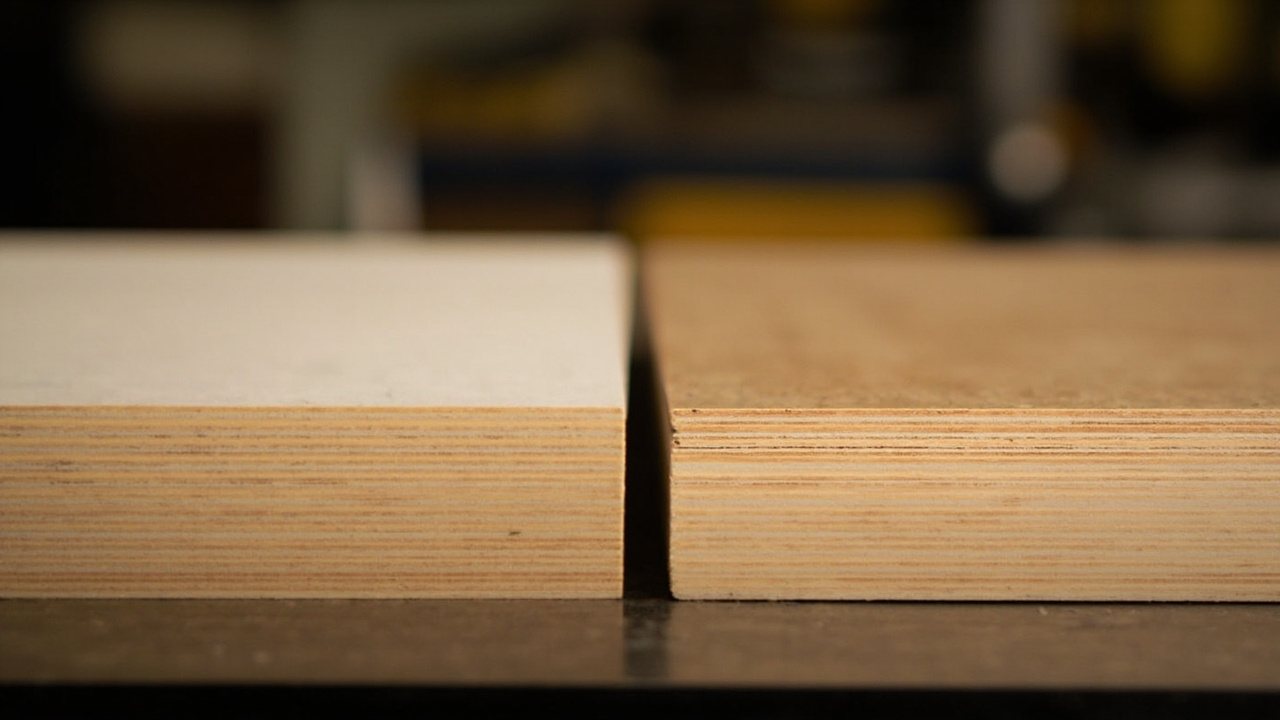
Four numbers tell most of the story. The profile: a virgin (not recycled) uPVC compound with a lead-free stabiliser, an outer wall of 2.5 to 3.0 millimetres. The steel reinforcement: a galvanised steel box section of 1.5 to 2.0 millimetre wall thickness, fitted inside any sash or frame longer than 800 millimetres. The chamber design: a 3-chamber or 5-chamber profile, where the extra chambers add thermal resistance. The glazing: a double-sealed insulated glass unit (4-12-4 or 4-16-4 millimetre), with argon fill and a low-E coating for cold-climate performance. The hardware: a multi-point lock with a 10,000-cycle test certificate.
The integrated profile-and-window groups
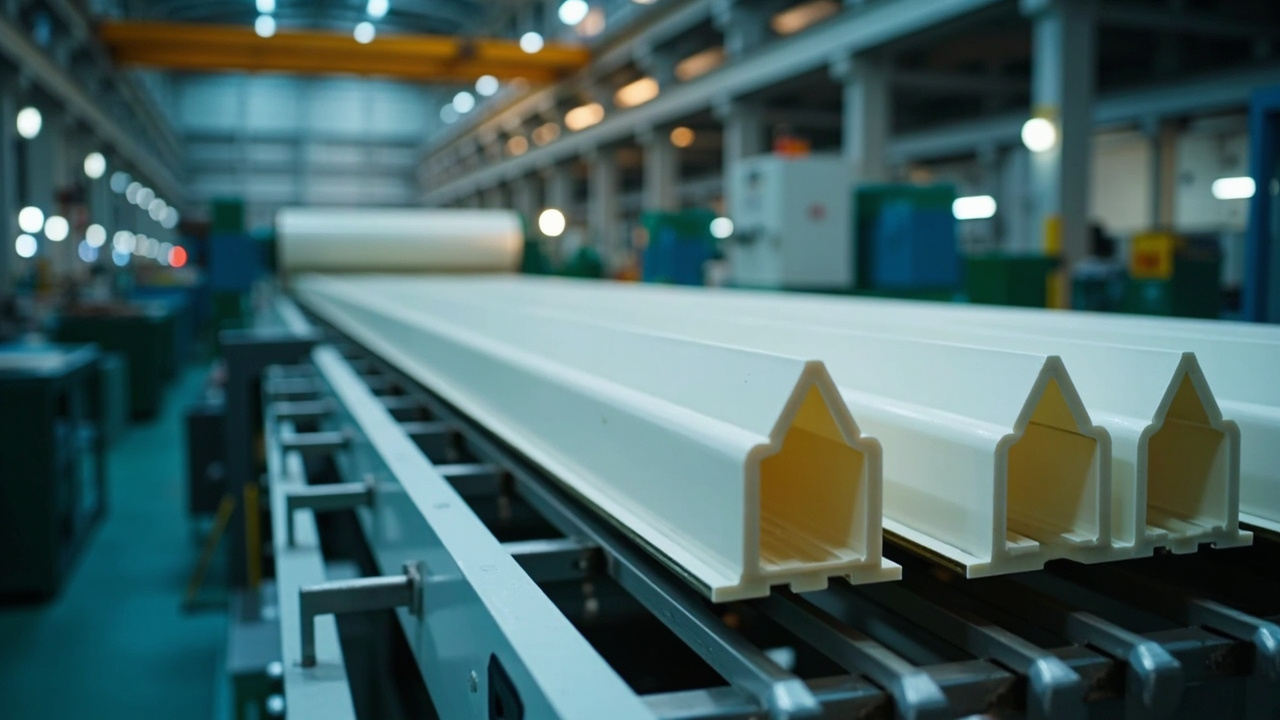
At the top sit vertically integrated groups that extrude their own profile, cut and weld it into windows, glaze it and assemble the hardware. They control the entire chain from PVC compound to packaged unit, and they hold CE, AAMA and BFRC certifications. These are the default partners for hotel retrofits, large residential towers and developer projects where uniformity across hundreds of openings and a fifteen-year warranty are non-negotiable.
The German-system fabricators
A focused archetype runs German profile systems (Schueco, Veka, Rehau, Kömmerling) under licence or as an approved fabricator. The profile, the gasket, the hardware and the drainage are all to a European specification, and the performance ratings (U-value under 1.3 W/m2K, sound reduction over 32 decibels) come from a third-party test. They are the right call for cold-climate projects (Northern Europe, North America, mountain resorts) and for any high-end brief where thermal and acoustic performance are written into the spec.
The tilt-and-turn specialists
Another archetype specialises in the tilt-and-turn window, the European standard for residential openings. The hardware allows two operations: a tilt at the top for ventilation, and a turn at the side for cleaning. The craft is in the hardware (a German or Austrian multi-point lock, hinge-side and handle-side), the sash weight (a reinforced sash to carry the double-glazed unit without sag) and the weather seal. They are the right call for hotels, apartments and villas where the occupant wants ventilation without a fully open sash, and where cleaning access is a concern.
The sliding and value producers
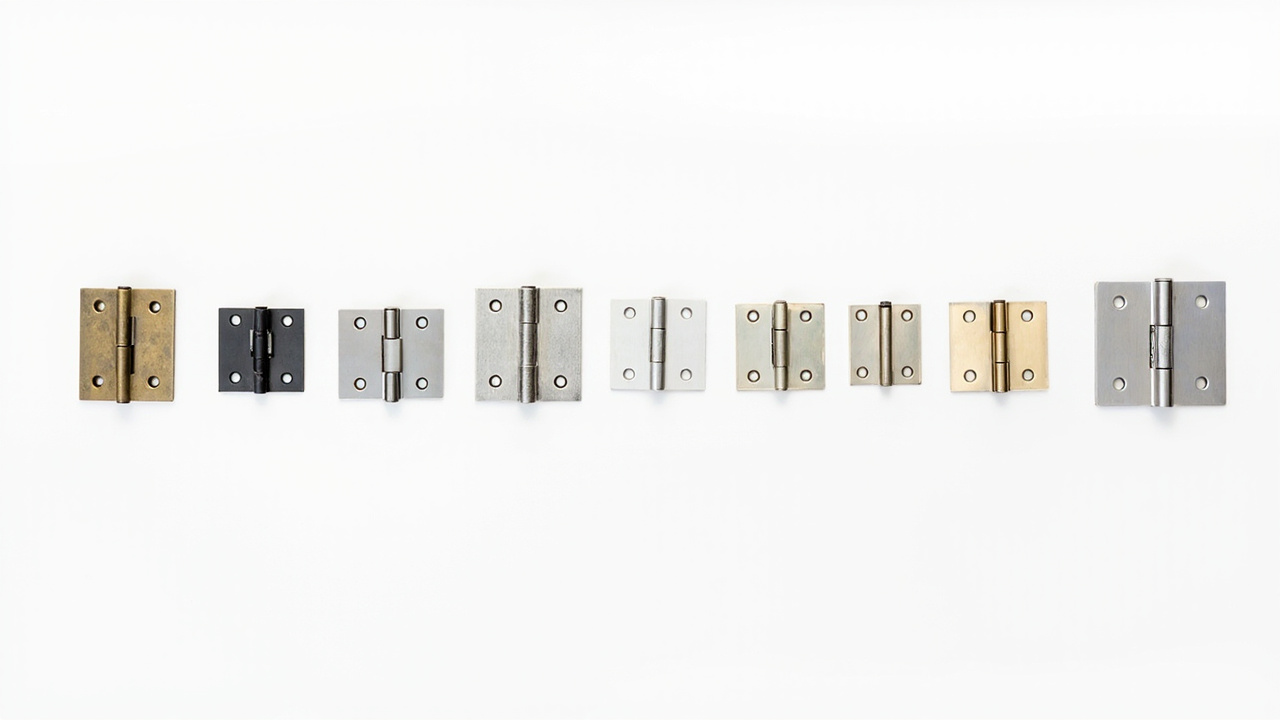
A broader tier produces sliding and budget casement windows. The sliding window saves space (no inward swing) and the unit cost is lower. The craft is in the roller (a sealed-bearing nylon roller on a stainless track), the interlock seal (a wool pile or brush seal at the meeting stile) and the frame reinforcement. They are the right call for warm-climate residential, for apartments where space is tight, and for volume builder projects.
How to qualify a uPVC window supplier
Before requesting prices, send the opening size, the window type (casement, tilt-and-turn, sliding, fixed), the glazing spec (single, double, with low-E and argon), the colour (white or laminated wood-grain), the hardware brand required, and the quantity. Ask for the profile certificate (virgin compound, lead-free stabiliser, wall thickness named), the steel reinforcement spec (gauge and section), the chamber drawing (3-chamber or 5-chamber), the insulated glass certificate (U-value, argon fill percentage, low-E coating), the hardware cycle test report (10,000 cycles minimum) and a full-size sample window. Test the sample: weigh the sash to confirm the steel reinforcement (a 1.2-metre sash should be 12 to 18 kilograms), press a fingernail into the outer profile wall to check hardness (no indentation), operate the hardware through 100 open-close cycles to check for play, measure the insulated glass with a caliper to confirm the spacer thickness, and lean 30 kilograms against the sash to check the hinge strength. Then shortlist two factories of different archetypes and decide on profile grade and hardware system rather than on the unit price. Sourcing uPVC windows direct from China still saves 30 to 50 percent against a regional distributor, but only when the buyer treats the profile grade, the steel reinforcement and the glazing spec as the three non-negotiables.