





Top 10 Tile Adhesive and Grout Manufacturers in China for Project Buyers
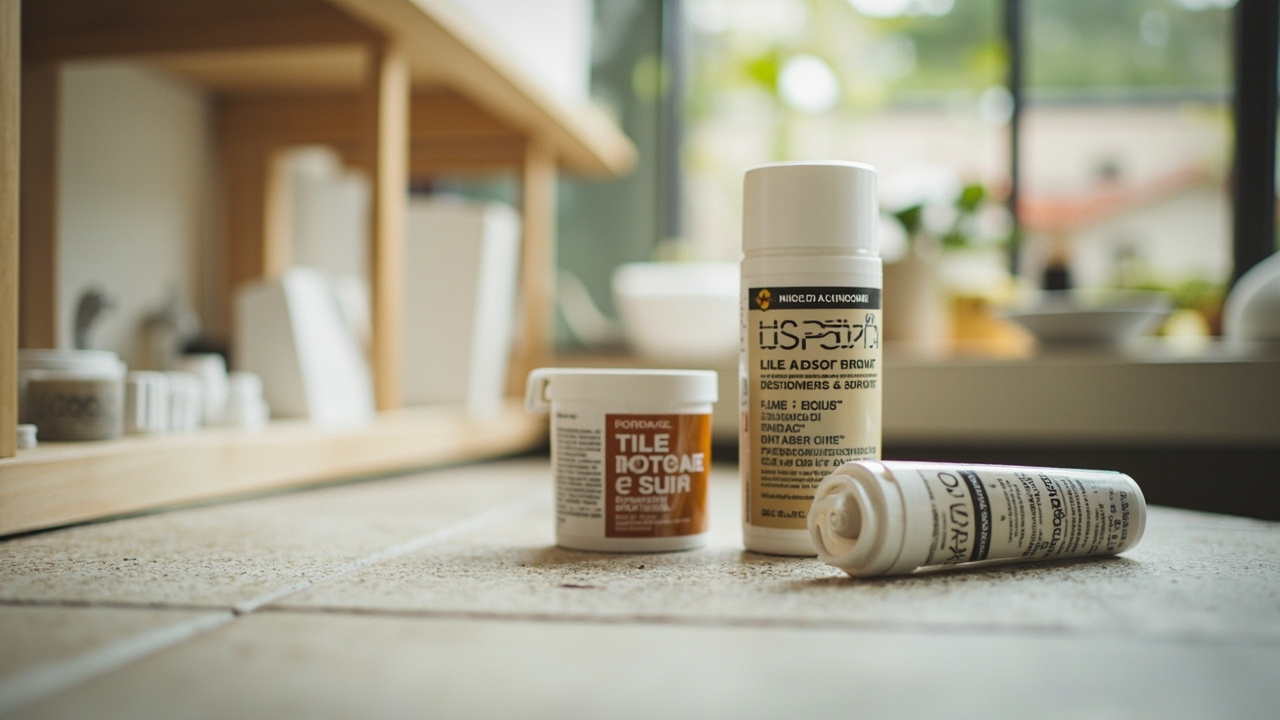
Tile adhesive and grout are the materials that decide whether a tiled wall or floor stays in place for twenty years or fails in two. A C1-grade adhesive applied to large-format porcelain, or a non-epoxy grout used in a wet hotel bathroom, will produce exactly the hollow-tap and black-mould complaints that drain a project budget a year after handover. This guide profiles ten Chinese tile adhesive and grout manufacturers worth meeting for project work, and explains the classification, flexibility and joint choices that separate a successful tile installation from a callback nightmare.
Why adhesive and grout sourcing rewards classification-led specification
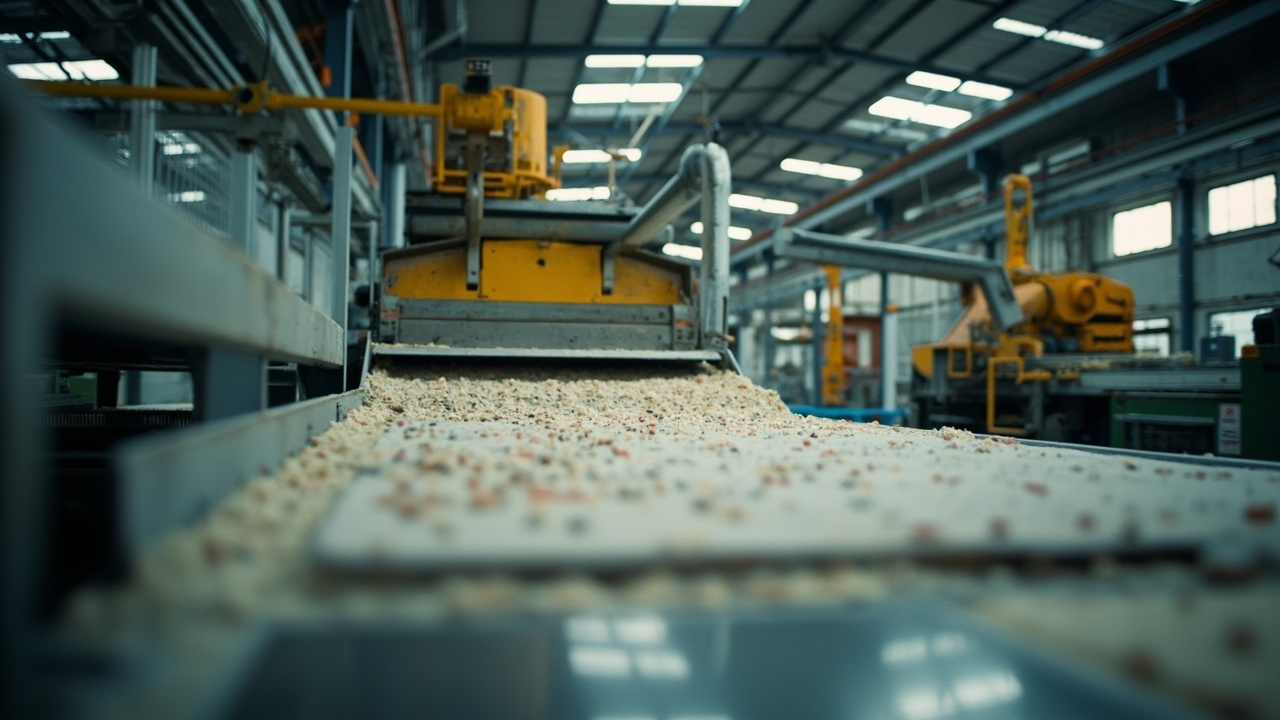
Chinese tile adhesive and grout producers cluster in Foshan, Guangzhou, Tangshan and Chengdu, and now cover every class of product a project could need: cementitious C1 adhesives for standard ceramic wall tile, C2 adhesives for large-format porcelain and floor tile, deformable C2S1 and C2S2 adhesives for timber or underfloor heating substrates, cementitious grouts for general use, epoxy grouts for wet and chemical-exposed joints, and waterproofing slurries for wet area tanking. The cost gap against European or American contract brands typically runs 40 to 60 percent at equivalent technical classification, and Chinese makers now publish EN 12004 and EN 13888 test certificates that match the specifiers ask. The decisive trick is matching the adhesive class to the tile format and substrate, not just buying a generic bag marked tile adhesive.
Ten manufacturers worth shortlisting
The list mixes large chemical groups with focused specialists. Match the supplier to the tile format and the substrate — few factories excel at every adhesive class at the same time.
1. Tonsan (Beijing) — Large construction chemical group with strong C2 and C2S2 adhesive lines, plus epoxy grout, suited to hotel and residential projects.
2. Yuhong Waterproofing (Guangzhou) — Strong on waterproofing slurry combined with tile adhesive systems, popular in bathroom and kitchen tanking.
3. Davco China (Foshan) — International-standard cementitious adhesive and grout producer with deep colour range, strong for design-led hospitality.
4. Nippon Tile Adhesive (Shanghai) — Focused on C1 and C2 cementitious adhesives at competitive pricing, suited to budget hotel and apartment programmes.
5. Subor (Zhuhai) — Epoxy grout specialist with chemical-resistant and stain-resistant lines, suited to commercial kitchens and hotel spas.
6. Kabao Chemical (Foshan) — Mid-range cementitious adhesive and grout producer with reliable batch consistency, suited to mid-tier residential and hotel.
7. Sika China (Suzhou) — International group producing full range of C1, C2 and epoxy products, reliable for chain hotel specifications.
8. Mapei China (Shanghai) — Premium international-grade tile adhesive and grout producer with full specification library for project architects.
9. Sanvo Chemical (Zhongshan) — Focused on large-format porcelain tile adhesive with strong C2S1 deformable line, popular in modern apartment programmes.
10. Litokol China (Guangzhou) — Epoxy and reactive resin grout specialist with deep colour palette, suited to premium hospitality feature walls.
Specifications that protect the order
Five engineering details separate a project-grade adhesive and grout order from a retail one. First, the adhesive classification: ceramic wall tile needs C1 minimum, large-format porcelain and floor tile needs C2, and timber or underfloor heating substrates need deformable C2S1 or C2S2. Second, the open time: a minimum of 20 minutes open time prevents skinning over on warm sites. Third, the slip resistance: for floor tile on walls, ask for a non-slip (T) formulation that holds the tile without downward drift. Fourth, the grout joint: cementitious grouts suit joints of 3 to 15 mm, epoxy grouts suit 2 to 15 mm and resist staining and chemicals; ask for the EN 13888 CG classification for cementitious and RG for epoxy. Fifth, the colour stability: cementitious grouts should be tested for colour uniformity across batches, since visible joint shade variation is the most common complaint after handover.
MOQ, packaging and pricing reality
Tile adhesive and grout MOQ is genuinely flexible for many factories: cementitious adhesives often have MOQ of 5 to 20 pallets (about 100 to 400 bags of 20 kg), cementitious grout 1 to 5 pallets, and epoxy grout 50 to 200 kits. Production lead time is 10 to 20 days for stock formulations and 20 to 35 days for custom colours or private label. Adhesive ships in 20 kg or 25 kg moisture-proof paper bags on shrink-wrapped pallets, and grout in 2 kg or 5 kg boxes. Expect FOB pricing of roughly USD 6 to 12 per 20 kg bag for C1 cementitious adhesive, USD 9 to 18 per bag for C2, USD 14 to 26 per bag for C2S2 deformable, USD 1.50 to 4.00 per kg for cementitious grout, and USD 12 to 30 per kg for epoxy grout kits. Always confirm whether the quoted price includes pallets and shrink wrap, since these add to landed cost.
Tile adhesive and grout are judged not the day after tiling, but in year two, when a wrong specification would already be producing hollow-tap tiles and stained joints. Specify the adhesive and grout by EN classification, request a test certificate, and inspect the first pallet in person before the balance ships. With that discipline, the ten manufacturers above can deliver tile installations that stay bonded, jointed and clean for the full warranty period, instead of becoming the most complained-about surface in the project.