





Top 10 Shower Enclosure Manufacturers in China
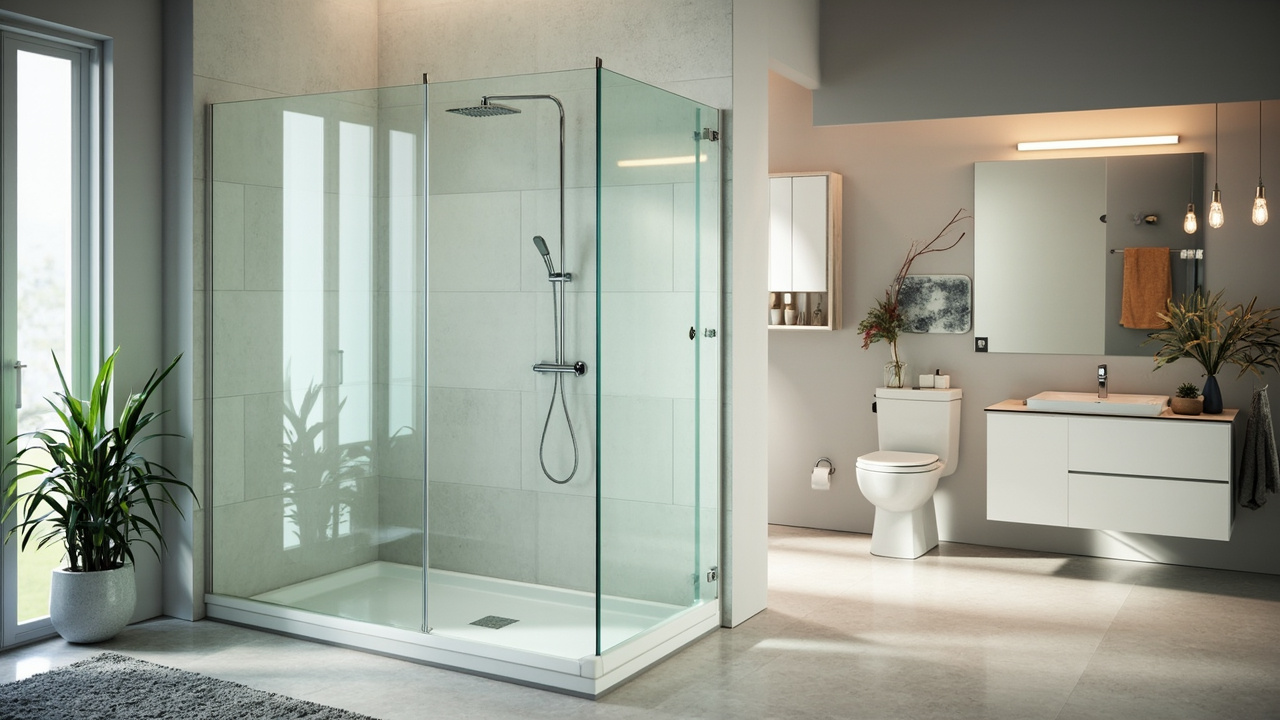
A shower enclosure looks simple, a sheet of glass and a hinge, but the engineering sits in the temper of the glass, the corrosion resistance of the hardware, and the geometry of the seal. China produces the largest share of the world's frameless and semi-frameless enclosures, concentrated in Zhongshan, Foshan and Hangzhou, but the gap between a unit that runs trouble-free for ten years and one whose roller jams or whose hinge rusts after two seasons is measured in tempering furnaces, stainless grade and seal profile. This guide sorts the export-grade factories into ten archetypes so a specifier can match a supplier to the room.
What defines an export-grade enclosure factory
Four numbers tell most of the story. The glass: 6 to 10 millimetre fully tempered glass, certified to CCC, EN 12150 or ASTM C1048, with fragmentation tested so a break produces small blunt granules. The hardware: 304 stainless steel (18 percent chromium, 8 percent nickel) at minimum, with 316 grade for coastal projects. The seal: EPDM rubber (not PVC) for the bottom sweep and the side seals, rated for 100,000 open-close cycles without permanent set. The finish: PVD (physical vapour deposition) or electroplated chrome, salt-spray tested for 200 hours without red rust.
The integrated glass-and-hardware groups
At the top sit vertically integrated groups that temper their own glass on a horizontal roller-hearth furnace and machine their own hinges, rollers and handles. They control every step from glass cut to hardware assembly, and they hold the full certificate set (CCC for China, EN 12150 for Europe, ASTM for North America, IGCC for some markets). They are the default partners for hotel chains, serviced apartments and large residential projects where uniformity across hundreds of units and warranty back-up five years out are non-negotiable.
The frameless specialists
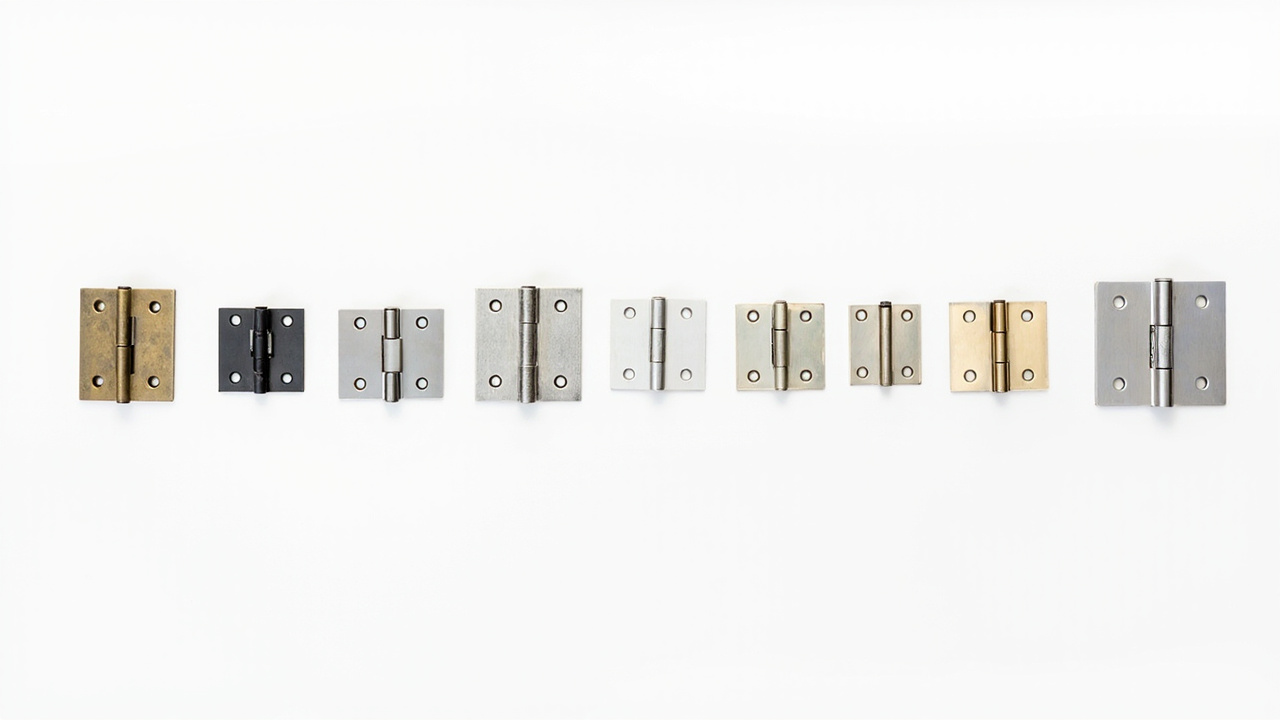
A focused archetype is the frameless specialist. The product is a single sheet of 10 millimetre or 12 millimetre glass held by two heavy hinges bolted to the wall, with no bottom track and no top bar. The craft is in the hinge geometry (the door must self-close within 5 degrees of vertical) and in the wall anchor (a 6 millimetre stainless bolt into a solid backing, not drywall). They are the right call for the high-end residential and boutique hotel segment where the enclosure is meant to disappear visually.
The sliding and folding specialists
Another archetype specialises in sliding and folding enclosures. The product saves space: a two-panel slider for a tight alcove, a five-panel bifold for a wide opening. The craft is in the roller (a sealed-bearing nylon roller on a stainless track) and in the panel interlock (a magnetic or sweep seal that stops splash). They are the right call for compact bathrooms, for accessible wet rooms, and for retrofitting into existing floor plans where a swinging door will not fit.
The semi-frameless and value producers
A broader tier produces semi-frameless enclosures with an aluminium frame around the perimeter. The frame adds rigidity and brings the unit cost down, and the modern aluminium finishes (matte black, brushed gold, gunmetal) match current bathroom palettes. They are the right call for the volume residential market, for builder-grade apartments, and for projects where budget and durability matter more than the disappearing-glass look.
How to qualify an enclosure supplier
Before requesting prices, send the room dimensions, the opening side (left or right), the glass thickness preferred, the hardware finish required, the seal colour, and the quantity. Ask for the glass tempering certificate (CCC or EN 12150, with fragmentation report), the hardware material certificate (304 or 316 stainless, with nickel and chromium content named), the seal material spec (EPDM, with cycle test report), the finish salt-spray test (200 hours minimum) and a full-size sample panel with the hardware installed. Test the sample: tap the glass and listen for a clear ring (a dull thud means uneven temper), run a magnet over the hinge (304 is weakly magnetic, 316 almost non-magnetic), operate the hinge through 200 open-close cycles to check for play, and stand the panel and lean 30 kilograms against the top corner to check the hinge strength. Then shortlist two factories of different archetypes and decide on hardware grade and glass temper rather than on the unit price. Sourcing shower enclosures direct from China still saves 30 to 50 percent against a regional distributor, but only when the buyer treats the glass temper, the stainless grade and the seal material as the three non-negotiables.