





Top 10 Sanitary Ware Brands in China: A Buyer Overview
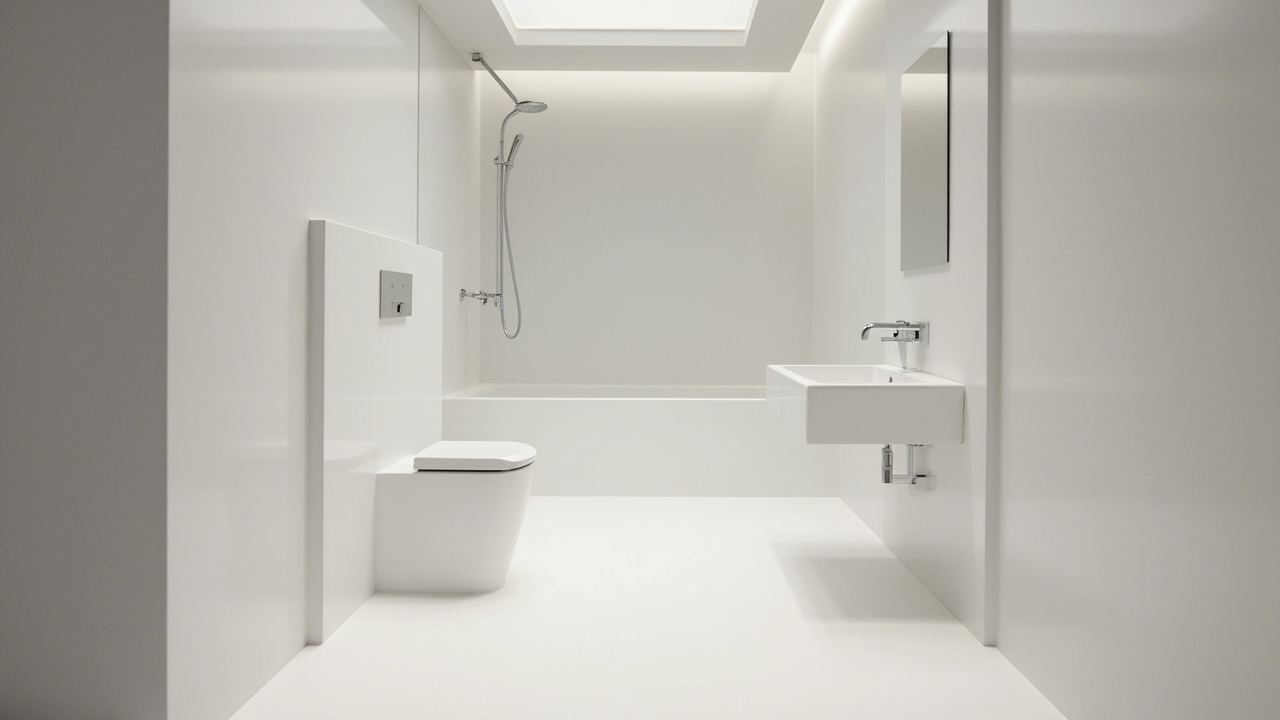
Sanitary ware is the part of a building materials order where buyers are most often surprised — by the difference between what a glossy catalogue promises and what arrives. The cause is rarely brand. Chinese ceramic sanitary production is concentrated in a handful of clusters, and within them the technology and glaze recipes travel between factories. What separates a trouble-free order from a defective one is ten specific capabilities, and a buyer who asks about them will outperform one who simply chases a brand name.
1. One-piece casting versus assembled pieces
A toilet cast in one piece has no seam at the back of the bowl and a cleaner internal trapway. Assembled toilets (tank and bowl bolted together) are cheaper to ship but more prone to leaks at the gasket. For hotels and apartments where maintenance access is painful, one-piece is the safer specification.
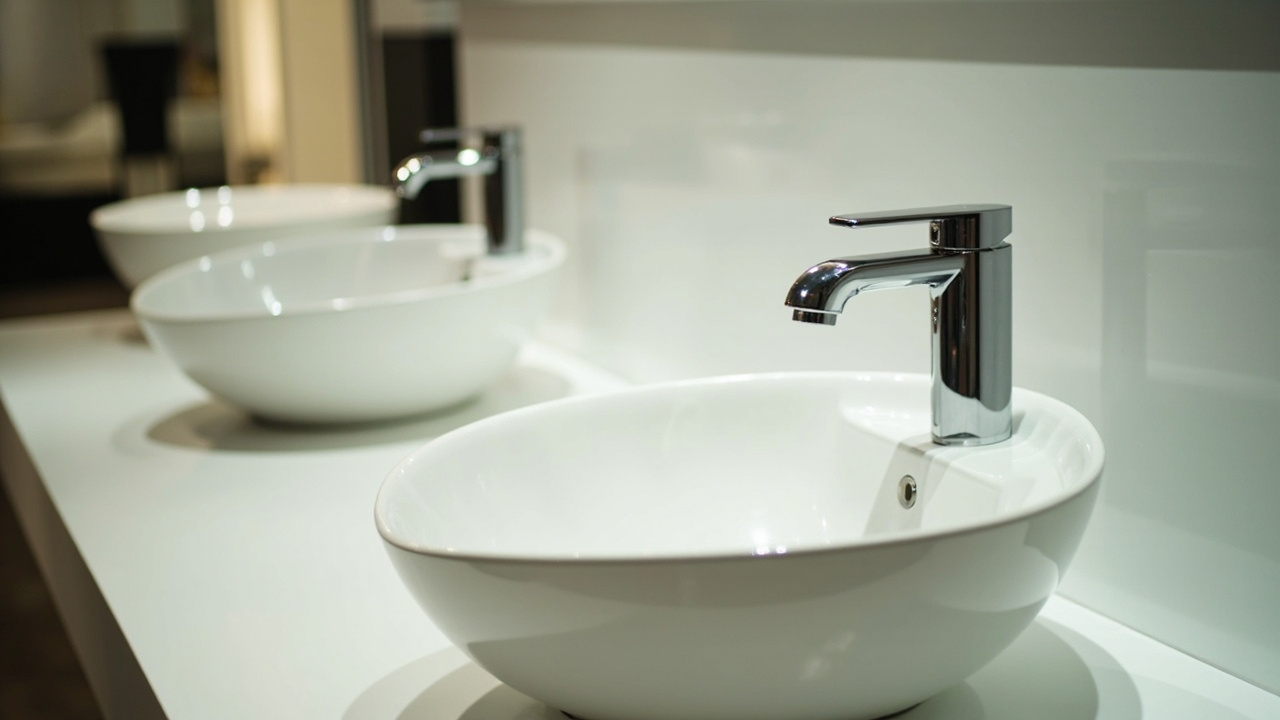
2. Glaze coverage, including the trapway
The trapway is the S-shaped channel inside the toilet that carries waste away. Premium factories glaze the entire trapway, inside and out, which prevents staining and odour. Ask the factory to show you the inside of the trapway on a cut sample — an unglazed or partially glazed trapway is a sure sign of cost-cutting.
3. Rimless bowl technology
Traditional toilets have a hollow rim that distributes flush water through a series of holes; the underside of that rim is impossible to clean and harbours bacteria. Rimless bowls project the flush water around the bowl with no hiding place for dirt. Rimless is now standard in European hotel specs and is worth specifying.
4. Verified flush performance and water savings
A dual-flush toilet should clear the bowl in a single full flush of 4.8 litres or less, verified to a recognised standard such as the MaP test in North America or the Water Label in Europe. A factory that supplies the test report has engineered the bowl geometry rather than guessed it.
5. Brass cartridge faucets, not plastic
The cartridge inside a faucet is the part that fails first. A brass cartridge lasts 500,000 cycles or more; a plastic one a fraction of that. The weight of the faucet is a quick proxy — a brass-cartridge mixer weighs noticeably more than a plastic one of the same size.
6. PVD and electroplating finish durability
Chrome finishes are applied by electroplating; premium factories add a PVD (physical vapour deposition) top coat that resists scratches and corrosion, particularly important in coastal or spa environments. A salt-spray test result of 200 hours or more without corrosion is the benchmark.
7. WaterMark, cUPC and CE certifications
Different markets demand different certifications: WaterMark for Australia, cUPC for North America, CE for Europe. The factories that carry all three have invested in the testing and are geared to export. Ask for the certificate number and verify it online — expired or borrowed certificates are common.
8. Anti-bacterial glaze options
Some factories offer an anti-bacterial glaze with silver-ion additives tested to reduce bacterial counts on the ceramic surface. It is a genuine upgrade for hospitals, clinics and high-traffic public washrooms, and a credible factory will supply the test data.
9. Soft-close seat hinges as standard
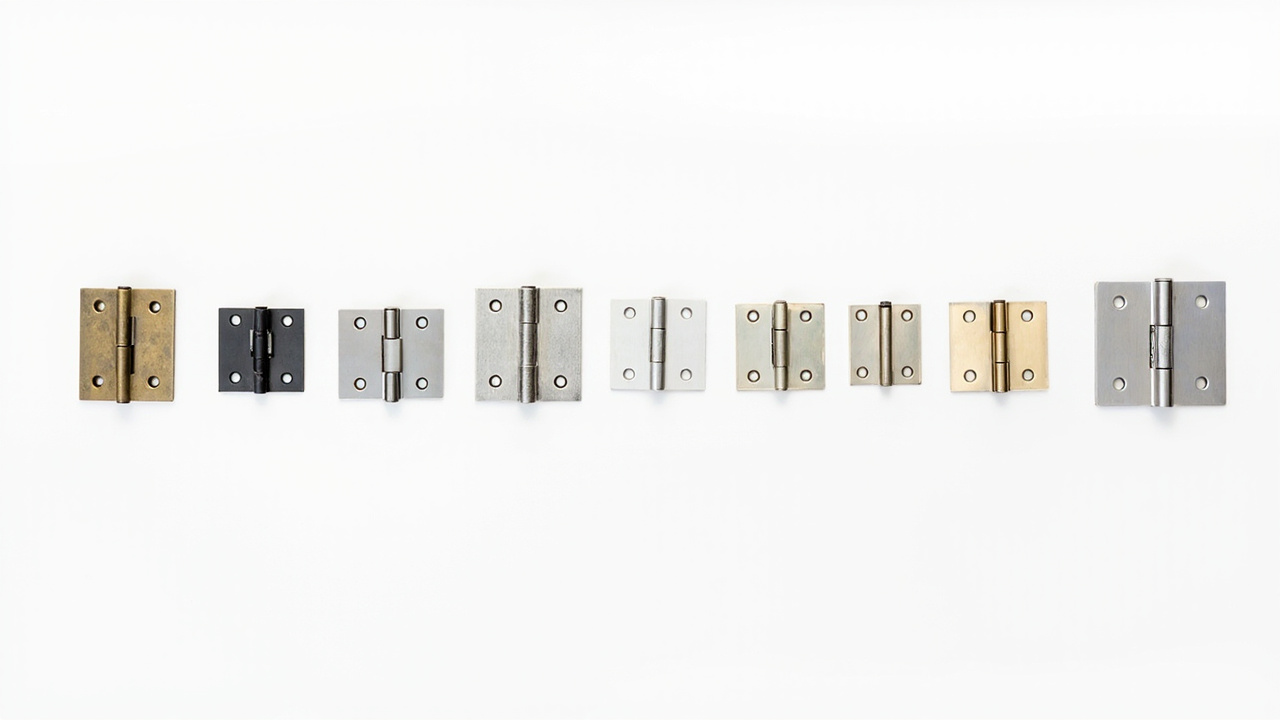
A soft-close seat (it lowers slowly without slamming) used to be an upgrade; it is now expected in any export-grade order. The mechanism is in the hinge, and the best ones use stainless steel detents rather than plastic, which fatigue.
10. Packaging for sea freight, not for the showroom
Sanitary ware is heavy, fragile and shipped by sea — three weeks of humidity and motion. Export-ready factories pack each piece in a five-layer corrugated carton with shaped foam inserts, then strap two or four cartons to a wooden pallet. Insist on palletised packing, and refuse loose carton loading regardless of the saving claimed.
Score a supplier against these ten points and you will identify the export-ready factories whatever name is on the box. Sanitary ware failures are expensive to fix after installation — a leaking trapway or a corroded finish means ripping out tiles — so the time spent qualifying the supplier is the cheapest investment in the bathroom.