





Top 10 Roofing Material Manufacturers in China
The roof is the single most exposed component of any building, taking the full force of sun, rain, wind and snow, and the choice of roofing material sets both the look of the building and the schedule of repair bills for decades. China produces the full range of roofing materials for export, from budget corrugated steel to high-end clay tile and stone-coated steel, and the difference between a good factory and a marginal one shows up not on the day the roof is laid but in year ten, when a cheap paint system has faded and the screws have started to weep rust. This guide covers the material families, the metal gauge and paint specifications, and the brief that turns a roofing quote into a roof that lasts.
Metal, tile and shingle and the right family
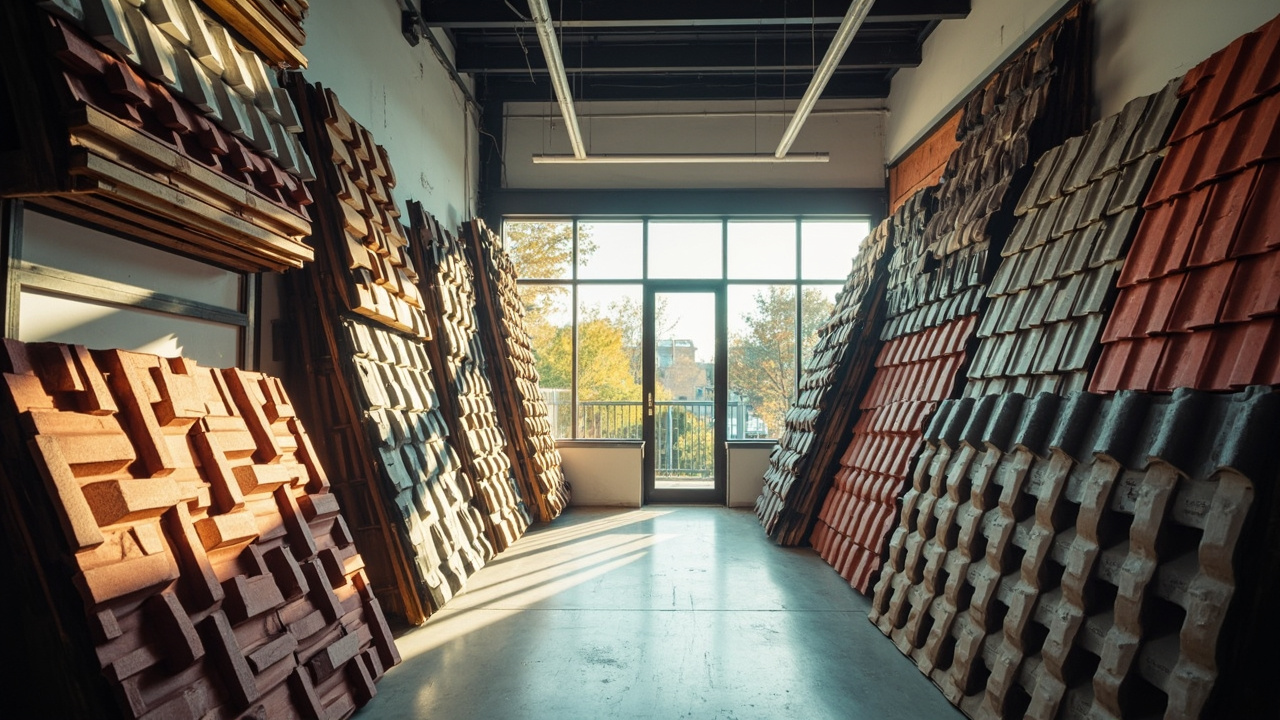
The first decision is the material family, because each answers a different climate, slope and budget. Corrugated metal roofing, in galvanised steel, aluzinc or full aluminium, is the volume export favourite for industrial, agricultural and budget residential work; it is light, fast to lay and cheap, and its weak point is the paint and the fastener. Clay and concrete tile, in interlocking S-shaped profiles or flat shingle-look tiles, is the premium choice for Mediterranean and villa architecture; clay lasts the longest (a hundred years is normal) but is heavy and demands a strong roof structure, while concrete is a budget-friendly alternative. Asphalt shingle, a fibreglass mat saturated with bitumen and surfaced with mineral granules, is the residential choice for pitched roofs in North America and looks of it; it is cheap and easy to lay but has a shorter life in hot climates. Stone-coated steel, where a pressed steel panel is coated with an acrylic base and stone chips, is the bridge product that gives a tile look with a metal weight, and is the export pick for projects that want the look of tile without the structural cost.
Steel gauge, paint system and the fastener
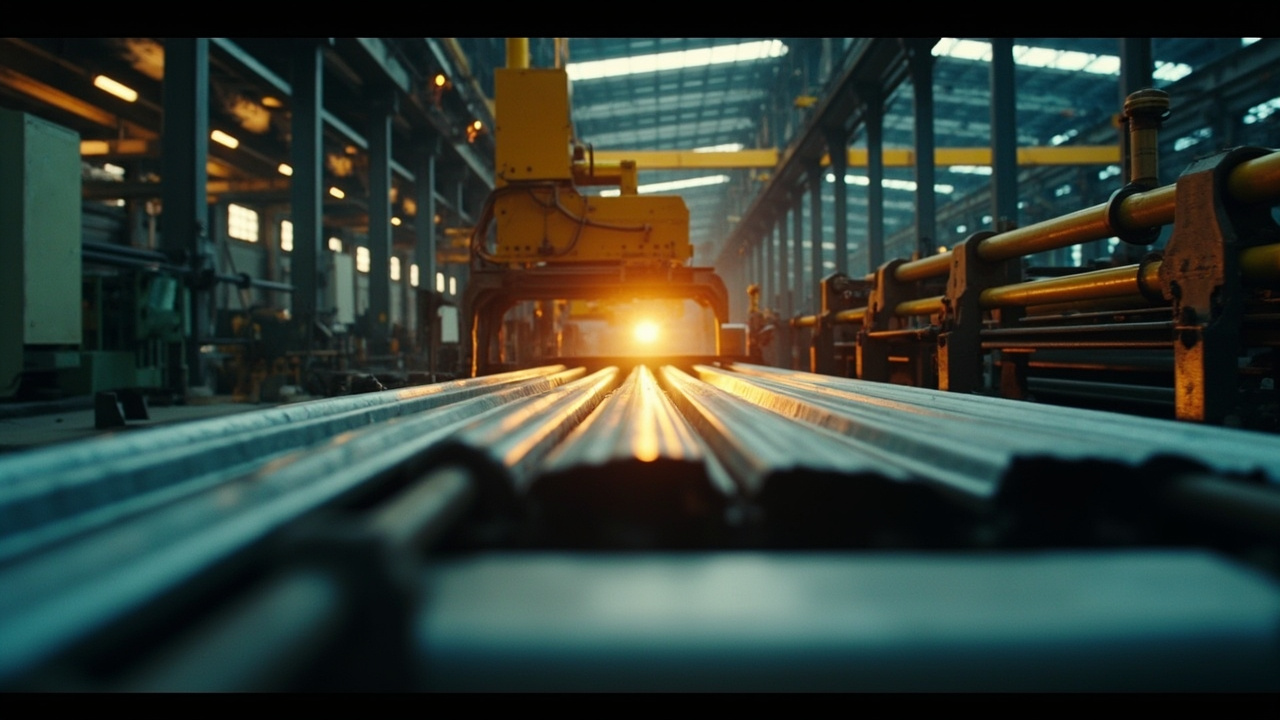
For metal roofing the three specifications that decide longevity are the steel gauge, the paint system and the fastener, and a buyer who skips any of these ends up replacing the roof early. The steel gauge is measured as the thickness in millimetres, with 0.4 millimetres as the budget floor, 0.5 millimetres as the residential standard and 0.6 millimetres and above for coastal and high-wind projects; a thinner gauge is the single most common reason a metal roof fails, because it tears at the screw holes under wind load. The paint system is the second key spec: a polyester paint is the budget choice with a 7 to 10 year life in a sunny climate, a SMP (silicone modified polyester) extends that to 15 years, and a PVDF (fluorocarbon) paint is the premium 20 to 30 year choice for projects that need colour stability. The fastener is the hidden detail: specify a branded screw with an EPDM rubber washer, not a generic galvanised screw, because the washer is what keeps the screw hole dry and a failed washer is the most common leak source on an older metal roof.
Underlay, insulation and the roofing system
A roof is not just the outer skin; it is a system of layers that includes the underlay, the insulation and the ventilation, and the better roofing factories now quote the full system rather than just the top sheet. The underlay, a bituminous or synthetic membrane laid under the outer roofing, is the second line of defence against wind-driven rain and is mandatory in most codes under tile and shingle; specify the tear strength and the roll width for the installer. The insulation, whether rock wool, PIR or polyurethane sandwich panel, sets the energy performance of the building and is the layer that turns a hot attic into a usable room; the better factories will quote the sandwich panel with a compatible flashing kit so the whole envelope comes from one source. For ventilation, the ridge vent and the eaves vent work together to move air through the roof space, and skipping them is the cause of most condensation and early shingle failure in hot and cold climates alike.
Fire rating, packing and the order
Send your shortlisted three factories the same brief: the project location and climate, the roof slope, the structural load capacity, the preferred material family, the colour, the fire rating required (Class A is the project standard), and the roof area in square metres. Ask for a paid sample of a full panel or tile, a cut sample of the underlay, and a copy of the paint system warranty, because the warranty is the only document that protects you when the colour fades. When the sample arrives, check four things: the measured thickness of the steel against the claimed gauge with a caliper, the paint adhesion under a cross-hatch tape test, the colour match under daylight, and the weight of a single panel or tile, which tells you the structural load. Negotiate on the packaging and the accessory pack: a factory that ships corrugated sheets in protected bundles with timber spacers, includes the full set of ridge caps, flashings and screws in the package, and labels each bundle with the colour batch number saves the installer days of sorting and ordering on site.
The right roofing manufacturer for a project is the one whose material family, steel gauge, paint system and accessory pack match the project climate, slope and structure. The ten factories in this category cover the full spectrum from budget corrugated steel to premium clay tile and stone-coated steel, so the buyer job is to match the project design and climate to the factory specialism, then validate the gauge and the paint with a paid sample and a warranty before the bulk order.