





Top 10 Paint and Coating Manufacturers in China
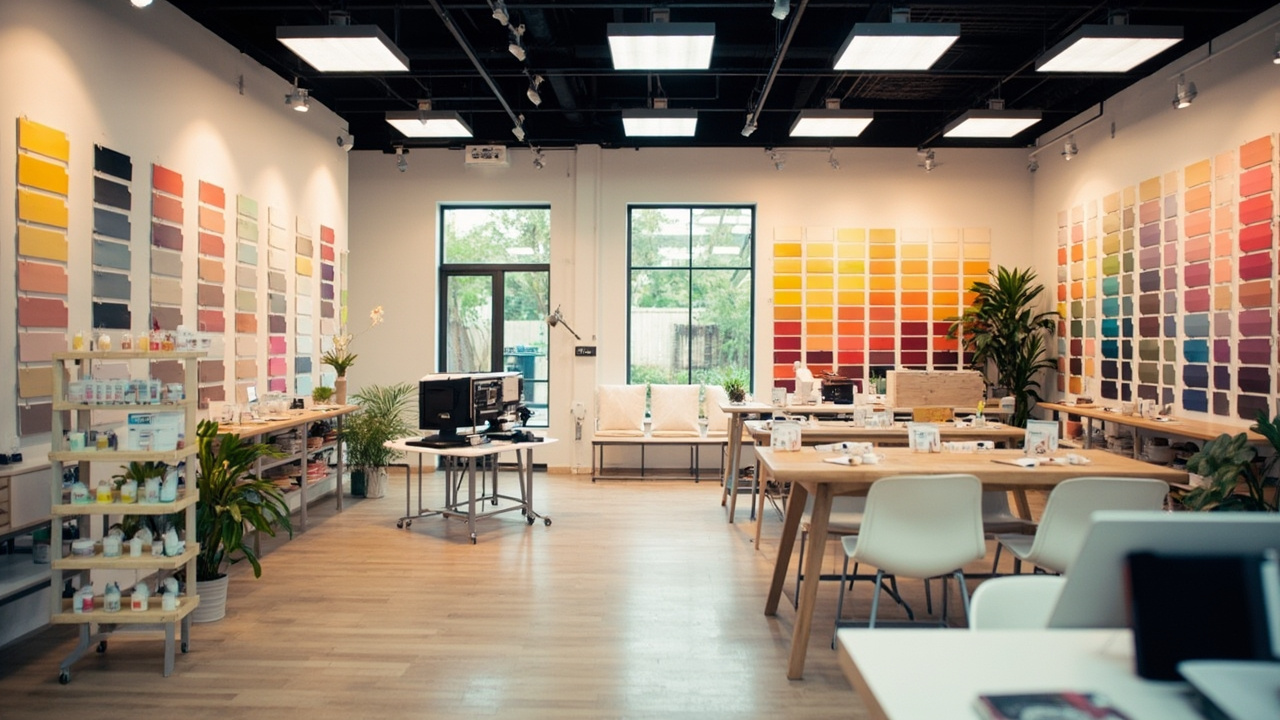
Paint is the single largest visual surface in any finished project, covering every wall and ceiling, and the difference between a paint that holds its colour and one that chalks and fades in three years is invisible until the wall starts to look tired. China is one of the largest paint producers in the world, with factories across every category from interior emulsion to high-performance marine and industrial coatings, and the gap between a project-grade factory and a budget one is measured in VOC content, pigment quality, scrub resistance and colour matching. This guide covers the product families, the specifications that decide durability and the factory brief that delivers a colour-matched, code-compliant finish.
Interior, exterior and the emulsion family
Emulsion paint, a water-based acrylic or vinyl-acrylic dispersion, is the workhorse of interior and exterior wall finishes and accounts for the largest share of the export market. Interior emulsion is the volume product, formulated for low odour, low VOC and easy touch-up; specify the finish (matte for living areas, eggshell for kitchens and corridors, semi-gloss for wet areas), the coverage in square metres per litre (10 to 12 is the project standard, anything lower means more coats), and the scrub resistance in wash cycles, which is the single best proxy for film hardness. Exterior emulsion, often called weather paint, adds UV-resistant pigments, a flexible acrylic binder and a dirt-shedding surface; it must resist alkali from fresh cement, so confirm the alkali resistance and the breathability (water-vapour transmission), because a paint that traps vapour blisters off a masonry wall within two years. Waterproofing paint for bathrooms and basement walls carries an integrated biocide and a flexible film; it is the right pick for a damp wall but not a substitute for fixing the source of the damp.
Wood and metal coatings and the speciality families
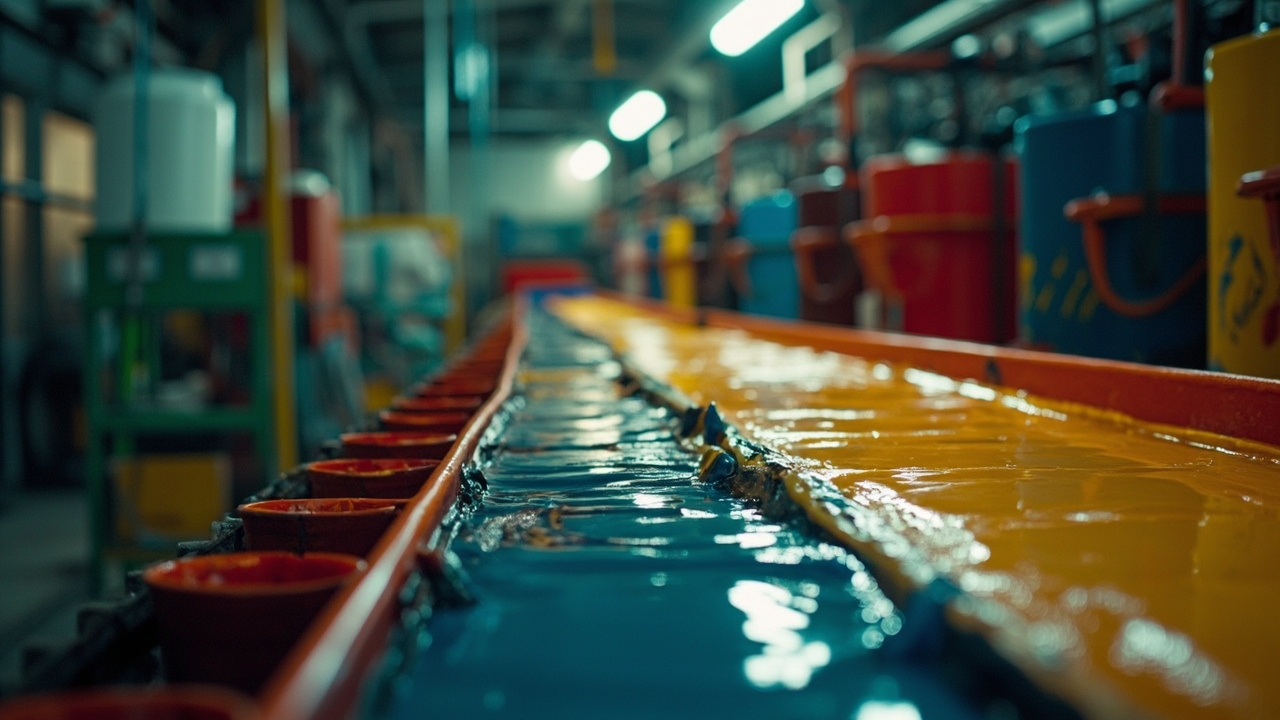
Wood and metal need coatings that flex and grip, and these speciality families have their own specifications. Wood coatings, in PU (polyurethane), AC (acid-cured) or water-based acrylic, protect joinery, furniture and floors; a water-based PU is now the export standard for interior woodwork because it carries low VOC, no yellowing and a clear finish, but it demands a properly sanded and sealed substrate. Metal coatings, in alkyd enamel, epoxy primer and polyurethane topcoat, are the choice for structural steel, handrails, doors and machinery; specify the system (a two-pack epoxy primer plus a PU topcoat is the project standard for exterior steel), the dry film thickness per coat in microns (60 to 80 microns per coat is normal), and the salt-spray resistance in hours, which is the only real proxy for exterior durability. Floor paint, in epoxy or polyurethane, is the third speciality family; it covers garage floors, warehouse slabs and car park decks, and its key spec is the abrasion resistance and the pot life that decides how long the installer has to roll it out.
VOC, pigment quality and colour matching
The three numbers that decide whether a paint performs are the VOC content, the pigment quality and the colour matching system, and a buyer who looks only at the price per litre ends up repainting early. The VOC (volatile organic compound) content, expressed in grams per litre, sets both the indoor air quality and the legal compliance; a project-grade interior emulsion runs at less than 50 grams per litre, the EU Ecolabel threshold sits at 15 grams per litre, and a paint that exceeds the local code is a code failure and a smell complaint from the end user. The pigment quality is the second key spec; a premium paint uses rutile titanium dioxide as the white pigment and inorganic oxides for the colour, both of which resist UV far better than the cheaper anatase titanium and the organic colours used in budget paints. The colour matching system is the third key spec; a serious factory runs a spectrophotometer and a colour deck against an international standard (RAL, NCS or Pantone), and supplies the colour formula and the touch-up quantity per project, which is the only way to keep a 500-room hotel looking uniform.
Eco-certification, MOQ and the order
Send your shortlisted three factories the same brief: the project type (residential, hospitality, commercial), the substrate (gypsum, masonry, wood, steel, concrete floor), the exposure (interior, exterior, wet), the colour reference and the colour deck, the local code and the eco-certification required, and the project area in square metres. Ask for a paid sample of one full litre of each specified product, mixed to the project colour, plus the test report for the VOC content, the scrub resistance and the salt-spray resistance where relevant. When the sample arrives, check four things: the colour match against the approved standard under daylight, the coverage on a painted test patch, the dry film hardness under a fingernail, and the smell after 24 hours of drying, which is the fastest informal check for VOC. Negotiate on the colour matching and the touch-up pack: a factory that ships the colour formula in writing, supplies the same colour batch for the full project, and includes a 5 percent touch-up pack of each colour saves the painter hours on a large project and stops the patchy wall that happens when a second order is mixed slightly differently.
The right paint manufacturer for a project is the one whose product family, VOC content, pigment quality and colour system match the project use and the local code. The ten factories in this category cover the full spectrum from volume interior emulsion to specialty wood, metal and floor coatings, so the buyer job is to match the substrate and the exposure to the factory specialism, then validate the colour and the durability with a paid sample and a test report before the bulk order.