





Top 10 Mosaic Tile Manufacturers in China
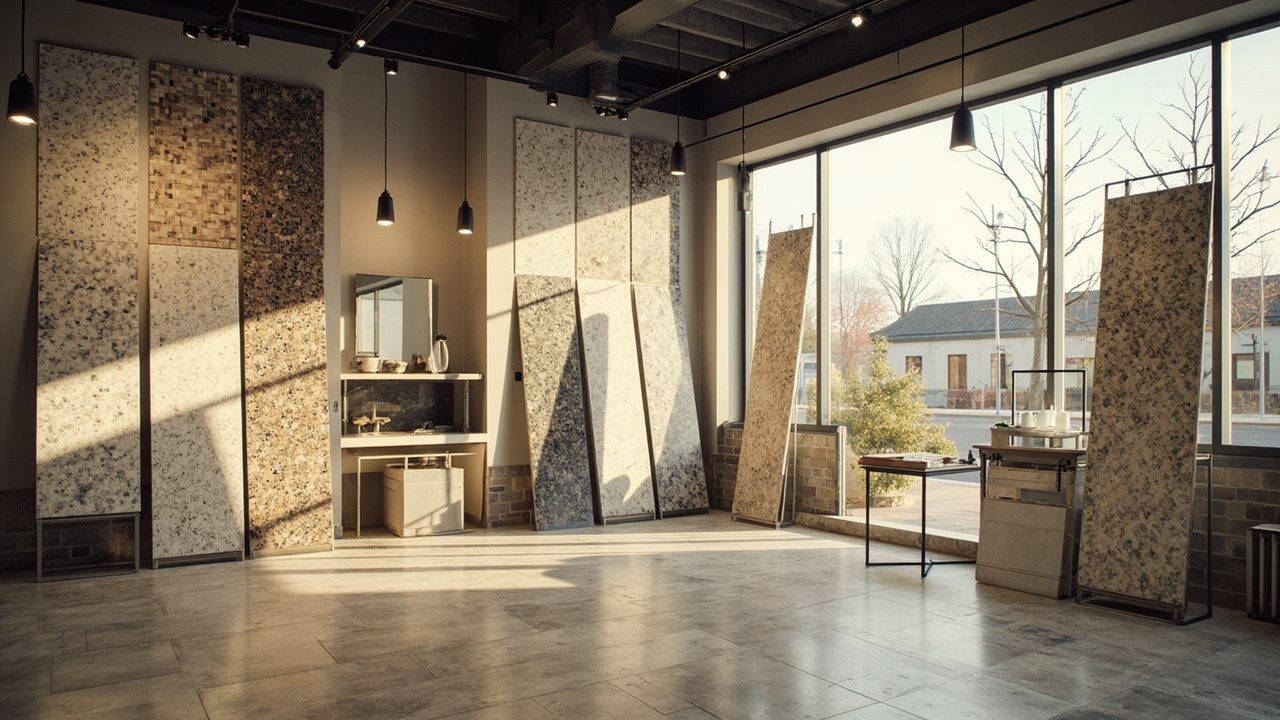
Mosaic tiles are the smallest unit in a tiling project, but they carry an outsized design load, setting the mood in a feature wall, a pool waterline or a kitchen splashback. China has the deepest mosaic production base in the world, split across glass specialists, stone workshops, metal and mixed-material makers, and the gap between a reliable factory and a marginal one is measured in colour consistency, chip defect rate and how well the sheet survives shipping. This guide covers the material choices, the backing types and the brief that turns a rendering into a delivered and installed mosaic.
Glass, stone and the material family
The first decision is the material, because each family has a different cost, finish and weather behaviour. Glass mosaic is the volume export favourite: it is impervious to water, available in hundreds of colours and finishes (glossy, matte, iridescent and metallic), and is the right pick for pools, spas and wet splashbacks. Specify the chip size (the common exports are 20x20, 23x23 and 25x25 millimetre squares, plus the modern 15x48 and 15x96 brick shapes), and ask for full-body coloured glass rather than coated glass, which can scratch through to a clear base over time. Stone mosaic, in marble, travertine and granite, is the premium pick for feature walls and floors; specify the stone origin (Turkish, Chinese or Greek marble each have a different veining character), a honed rather than polished finish for a slip-safe wet area, and a mesh backing. Metal and mixed-material mosaics, combining stainless steel, aluminium and resin with stone or glass, are the boutique choice for designer kitchens and bars; they demand careful packing because the metal chips dent easily.
Sheet size, mesh backing and chip consistency
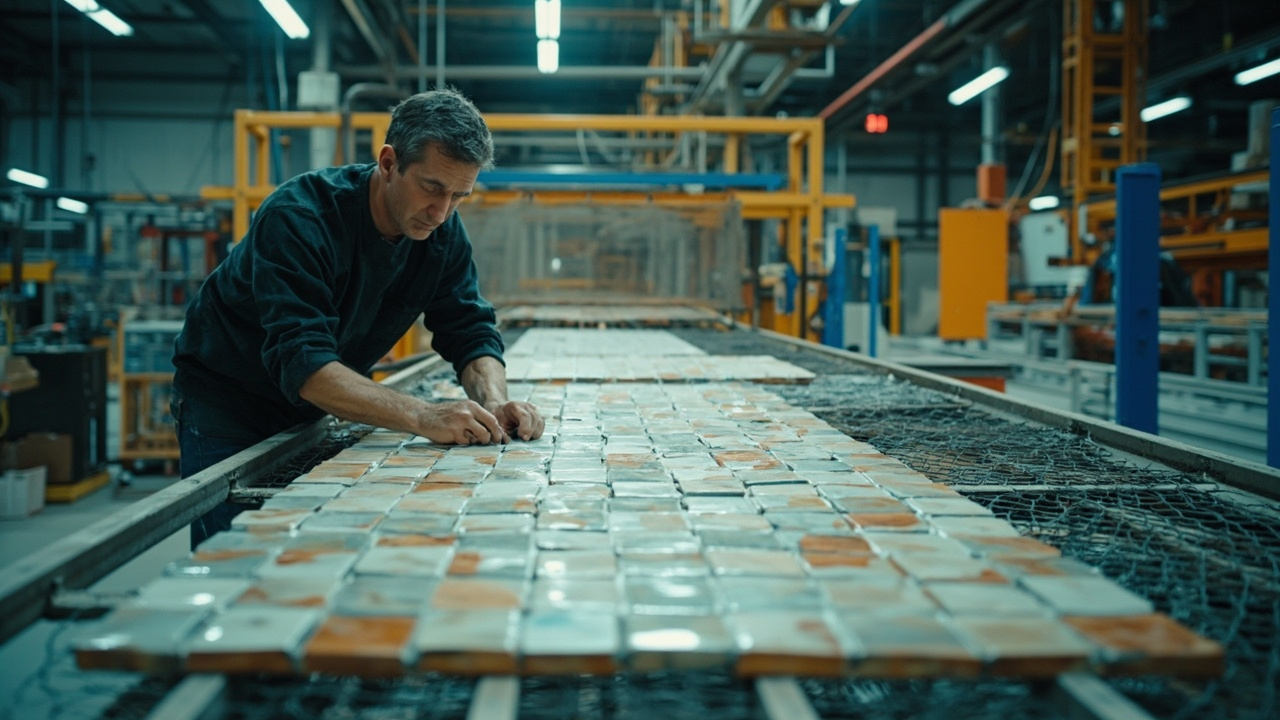
The sheet is how mosaics are made, sold and installed, and its details drive the installer experience. The standard export sheet is 300 by 300 millimetres (a foot square), though 297 by 297 and 305 by 305 also appear; confirm the exact size with the factory, because a mismatched sheet size throws the grout line off across a whole wall. The backing is either a mesh (a fibre or fibreglass net glued to the back) or dot-mounted (small glue dots between chips on a paper face, peeled off after fixing). Mesh is the standard for glass and stone because it lets the installer press the sheet into thinset and is faster on site; dot-mounting is the cleaner choice for high-gloss glass because no glue shows through the chip. On chip consistency, the better factories sort by colour and calibre within a production batch, and a colour-shaded wall is the symptom of a factory that skipped this step, so ask for the batch-to-batch colour tolerance and inspect the cartons in daylight before fixing.
Custom blends, gradients and hand-cut detailing
The mosaic sector is the most flexible category in tiling for custom work, and a serious factory will blend chips to a designer specification, build a colour gradient across a wall, or hand-cut chips into circles, hexagons and arabesque shapes. Custom blends are quoted by the ratio of each chip colour and the factory should send a 300 by 300 sample of the exact blend before the production run; specify the ratio in chips per sheet, not as a percentage, because the chip count is what the production line actually picks up. Gradient patterns, where a colour fades into another across a feature wall, are a hotel and spa favourite; the factory needs the wall dimensions and the fade direction, and the installer needs the sheets numbered so they go up in order. Hand-cut detailing in natural stone and the more expensive glass allows curves and organic shapes that machine-cut chips cannot, and is worth the surcharge on a feature wall where the eye spends time.
Packing, MOQ and the order
Mosaic ships in cartons of around 1 square metre each, and a competent factory packs the sheets flat in the carton with a sheet of foam or paper between each layer, straps the cartons to a pallet, and shrink-wraps the pallet against humidity. Send your shortlisted three factories the same brief: the project type (pool, kitchen, feature wall, floor), the material preference, the chip size and shape, the sheet size, the finish, the project area in square metres, and the project country for slip-rating compliance. Ask for a paid sample of a full sheet, plus a 200 by 200 chip sample of any custom blend, and a slip-rating test certificate if the mosaic is for a wet floor. When the sample arrives, check four things: the chip-to-chip colour consistency under daylight, the chip defect rate (chipped corners and bubbles in glass) above one percent is a red flag, the mesh adhesion under a pull test, and the colour match against the approved rendering. Negotiate on the spare-box ratio: a factory that ships 5 percent spare sheets covers the installer cutting waste without holding up the job, and a colour-matched batch number on every carton is the small detail that saves hours on a large wall install.
The right mosaic manufacturer for a project is the one whose material family, chip consistency, backing and packing match the project use and the installer capability. The ten factories in this category cover the full spectrum from volume glass pool mosaics to boutique stone and metal feature walls, so the buyer job is to match the project design to the factory specialism, then validate the colour and the defect rate with a paid sample before the bulk order.