





Top 10 Mattress Manufacturers in China

A mattress hides its engineering under fabric. The spring gauge, the foam density, the fire-retardant chemistry and the ticking weave decide whether a hotel bed feels like a five-star retreat or a budget motel. China produces more mattresses than any other country, concentrated in Foshan, Langfang and Shanghai, but the gap between a unit that keeps its shape through five years of nightly use and one that sags after one is measured in coil count, foam density and flame lamination. This guide sorts the export-grade factories into ten archetypes so a hospitality or retail buyer can match a supplier to the brief.
What defines an export-grade mattress factory
Four numbers tell most of the story. The spring system: a pocket spring unit (each coil in its own fabric sleeve) with 800 to 1200 coils in a king size, against a Bonell open-coil unit of around 300 coils for a budget unit. The foam density: 30 to 40 kilograms per cubic metre for the comfort layer, against 18 to 22 for a budget layer. The fire retardant: a fire barrier sock (fibreglass or modacrylic) that passes CFR 1633 (US) or BS 7177 (UK) for hotel and contract use. The ticking: a jacquard woven fabric of 280 grams per square metre minimum, with a stretch knit for premium units.
The integrated hotel-contract groups
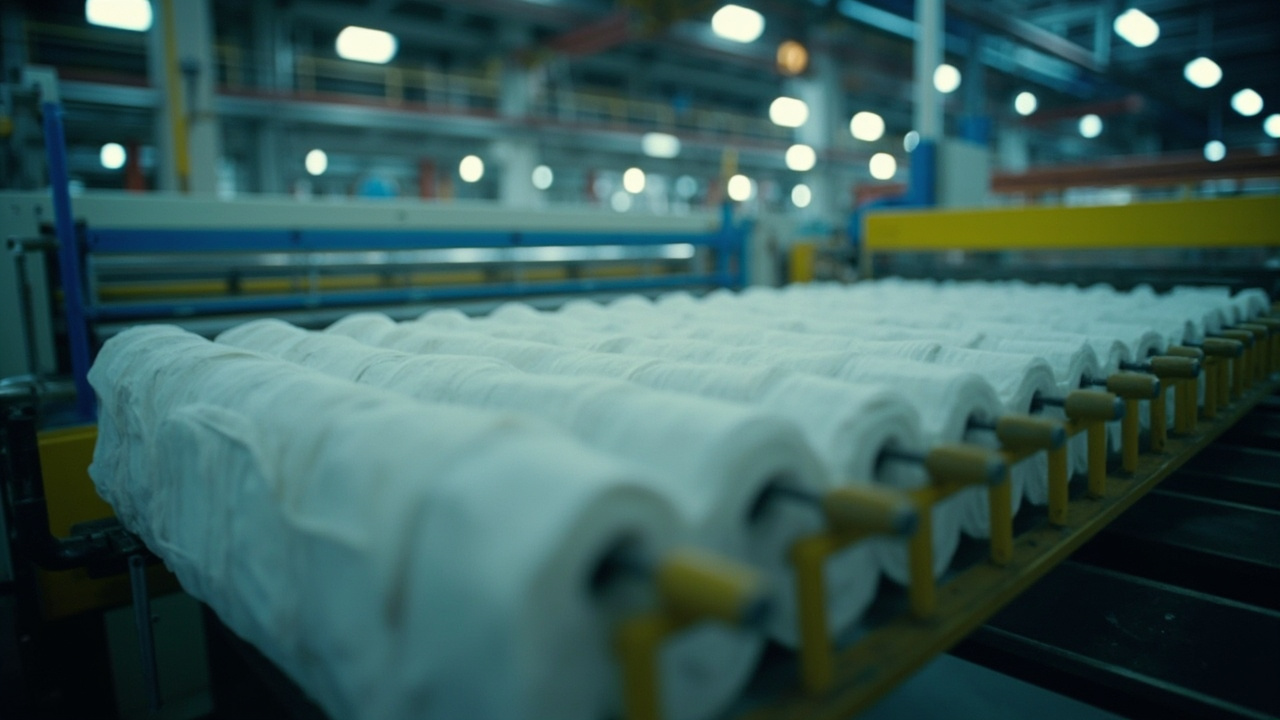
At the top sit vertically integrated groups that make their own pocket-spring units, foam, fabric and ticking, and that hold full contract certifications for hotel supply. They produce the complete range from a five-star hotel plush-top to a budget contract bed, and they hold CFR 1633, BS 7177 and CA 117 flame certifications. They are the default partners for hotel groups, serviced apartment operators and cruise lines where uniformity across hundreds of rooms and five-year warranty back-up are required.
The pocket-spring specialists
A focused archetype is the pocket-spring specialist. The factory runs dedicated pocket-spring machines that wrap each coil in a non-woven sleeve, with coil counts up to 2000 in a king size for a high-end unit. The craft is in the coil gauge (1.8 to 2.2 millimetre for a plush feel, 2.4 millimetre for a firm feel) and in the zoning (a denser coil pattern under the hip and shoulder areas). They are the right call for premium hotel brands and for retail lines that compete on sleep ergonomics.
The memory foam and latex specialists
Another archetype specialises in foam and latex. The product is a bed-in-a-box memory foam mattress or a natural latex mattress. The craft is in the foam density (40 to 50 kilograms per cubic metre for a durable memory foam), the latex grade (natural Dunlop or Talalay, 85 percent rubber content minimum), and the layering (a soft top layer over a firm base layer). They are the right call for the e-commerce retail segment and for the wellness and natural-living market.
The spring-and-foam hybrid value producers
A broader tier produces spring-and-foam hybrids at competitive cost. The product combines a Bonell or continuous-coil spring unit with a foam comfort layer, delivering a familiar feel at a budget price. The craft is in the edge support (a foam encasement around the perimeter, so the edge does not collapse when sat on) and in the quilting (a flame-laminated panel that holds the foam to the ticking). They are the right call for budget hotels, university dormitories, and volume residential projects.
How to qualify a mattress supplier
Before requesting prices, send the mattress size, the feel (plush, medium, firm), the intended use (hotel, residential, contract), the required certifications (CFR 1633, BS 7177, Oeko-Tex), the ticking spec, and the quantity. Ask for the spring system certificate (pocket, Bonell or continuous, with coil count and gauge), the foam density certificate (kilograms per cubic metre, named for each layer), the fire-retardant test report (CFR 1633 or BS 7177, with the barrier sock material named), and a sample unit of the intended specification. Test the sample: weigh it to confirm density (a king size should be 35 to 45 kilograms for a quality unit), roll it to check that the foam returns (a memory foam should recover fully within 30 seconds), apply a cigarrette-equivalent smoulder test on the ticking to check the fire barrier, and place 50 kilograms on one edge for an hour and check for collapse. Then shortlist two factories of different archetypes and decide on spring system and fire barrier rather than on the unit price. Sourcing mattresses direct from China still saves 30 to 50 percent against a regional distributor, but only when the buyer treats the spring count, the foam density and the fire certification as the three non-negotiables.