





Top 10 Marble and Granite Suppliers in China
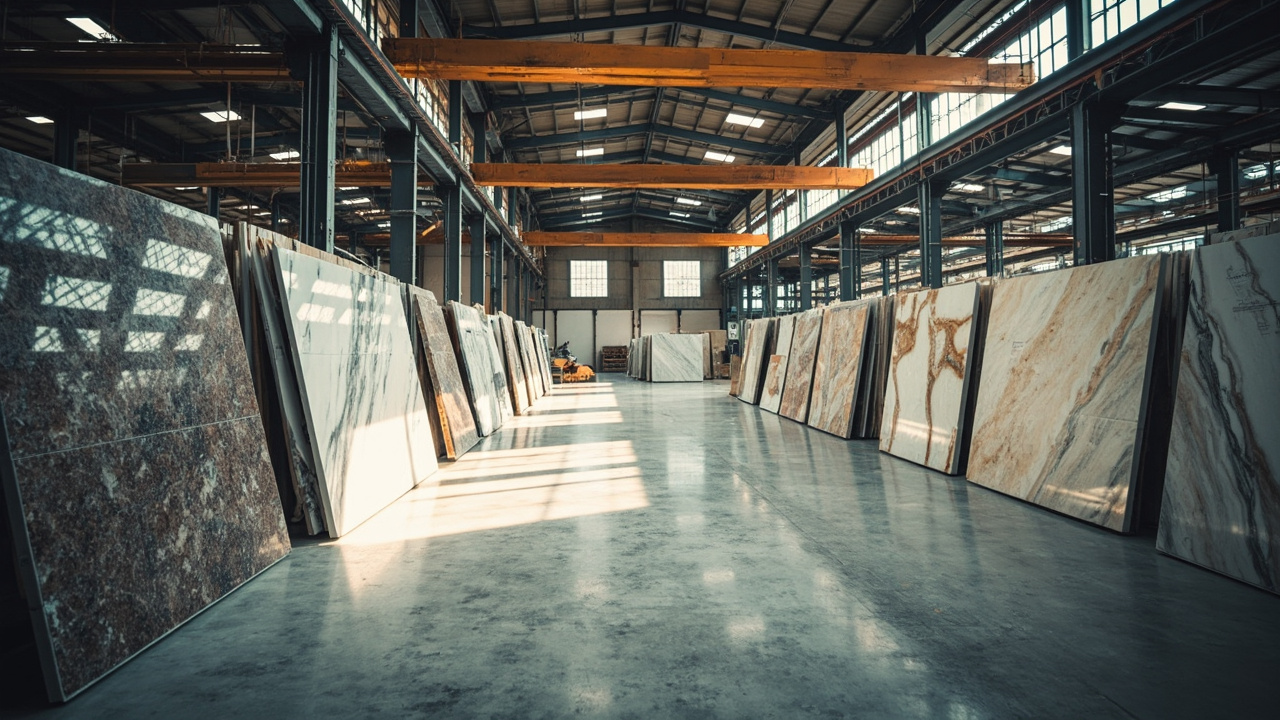
Natural stone is the most variable material a project buyer sources, and China has become the world's largest stone-processing hub even though it imports many of the raw blocks from quarries in Italy, India, Turkey, Brazil and Africa. The skill lies not in owning a quarry but in cutting, reinforcing and polishing the block into a flat, stable, defect-free slab. This guide maps the ten types of stone supplier a real buyer meets, organised by the processing capability that actually determines quality.
What defines an export-grade stone supplier
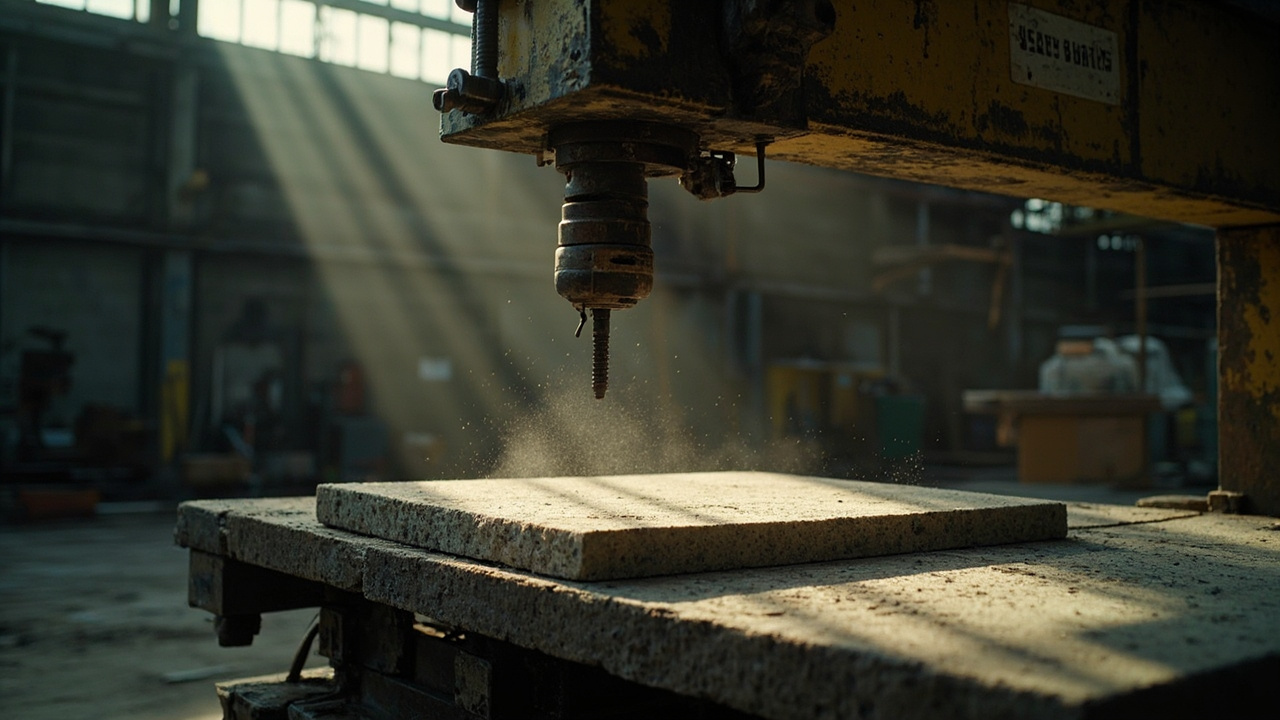
Four pieces of equipment tell most of the story. The gangsaw: a multi-blade frame saw that slices a whole block into slabs in a single pass, where the blade tension and the grit feed decide flatness. The polishing line: a sequence of calibrating heads and diamond polishing heads (usually thirty or more) that produce a consistent gloss across the full slab. The resin line: a vacuum chamber where epoxy resin is drawn into micro-fissures, with a mesh reinforcement on the back, so the slab will not crack in transit. The waterjet: a cutting head that shapes the slab to the exact kitchen or vanity template without chipping the edge.
The integrated import-and-process groups
At the top sit groups that buy blocks directly from quarries in multiple countries, run their own gangsaws, resin lines and polishing lines, and export to project buyers worldwide. They hold a deep inventory of slabs, they can supply bookmatched pairs cut from a single block, and they quote per square metre or per slab depending on the buyer's preference. These are the default partners for hotel lobbies, villas and feature walls where consistency of veining across hundreds of square metres matters.
The Calacatta and Italian-marble specialists
A distinct tier specialises in high-end Italian marble: Calacatta, Statuario, Carrara and Botticino. They import blocks directly from Carrara, hold a curated inventory of premium slabs, and sell to luxury projects at a premium price. The craft is in the selection: only one in twenty blocks produces the bold, dramatic veining that the market calls Calacatta, and these specialists have the eye to pick it. They are the partner for a penthouse, a boutique hotel or a jewellery store where the stone is the brand statement.
The granite and hard-stone specialists
Some factories focus on granite and engineered hard stone. They process blocks from India (black, red and gold granites), Brazil (exotic movement) and southern Africa (verbatim, palladium), and they specialise in the cutting and polishing of an extremely hard material. The value is the accuracy of the calibration line, the tightness of the gloss, and the resistance to the wear of a hotel lobby floor or an outdoor cladding. They are the call for high-traffic commercial floors and outdoor feature walls.
The cut-to-size and project specialists
A focused category takes a slab and cuts it to the project template: floor tiles, wall cladding panels, vanity tops, stair treads and kitchen countertops. They run bridge saws and waterjets in parallel, work from CAD drawings, and produce a labelled, numbered kit ready for installation. They are the partner when the project needs a turnkey stone package rather than a raw slab, and they will pre-assemble complex pieces in the factory so the site installation is fast and clean.
How to qualify a stone supplier
Before requesting prices, send the project type, the stone type and colour, the slab size required (standard 3000 by 1800, jumbo 3200 by 1900, or custom cut-to-size), the finish (polished, honed, leather, flamed) and the quantity. Ask for the slab grading certificate, the mesh and resin reinforcement detail, the radionuclide test (CE for Europe), and a sample of at least 150 by 150 millimetres cut from the actual slab you will buy. Test the sample: weigh it for density, tap it with a coin for ring (a dull thud means hidden fissures), and leave a drop of red wine for an hour to test stain resistance on marble. Then shortlist two suppliers across different archetypes, ask for photos of the actual bookmatched slabs reserved for your order, and decide on quality and reinforcement rather than on the per-square-metre price. Sourcing natural stone direct from China still saves 30 to 50 percent against buying through a local fabricator, but only when the buyer treats the block origin, the processing equipment and the reinforcement as the three non-negotiables.