





Top 10 Kitchen Cabinet Trends for 2026: What Project Buyers Should Spec
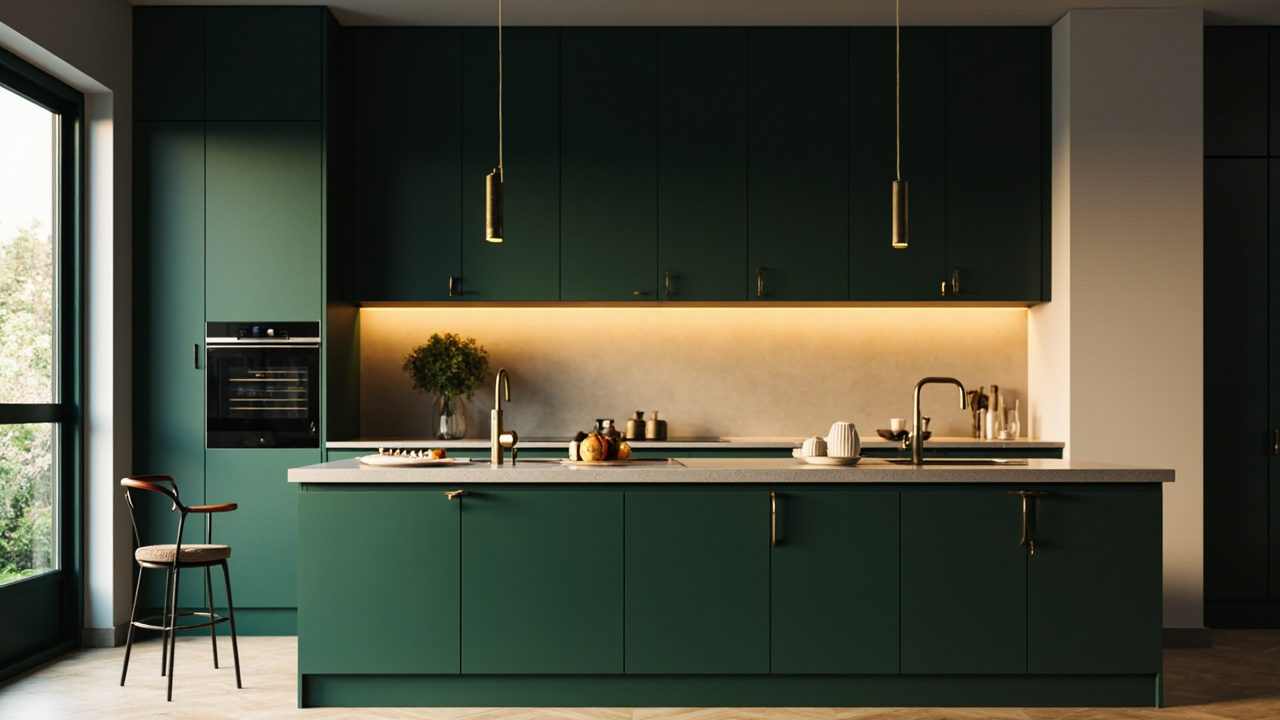
Cabinet trends are not just magazine fodder — for project buyers they decide what specifications to write, which suppliers to shortlist and what resale value a finished apartment commands. The ten directions below are the ones appearing consistently in 2026 developer briefs, ranked by how widely they are being adopted, with a practical note on cost impact for each.
1. Handleless push-to-open cabinets
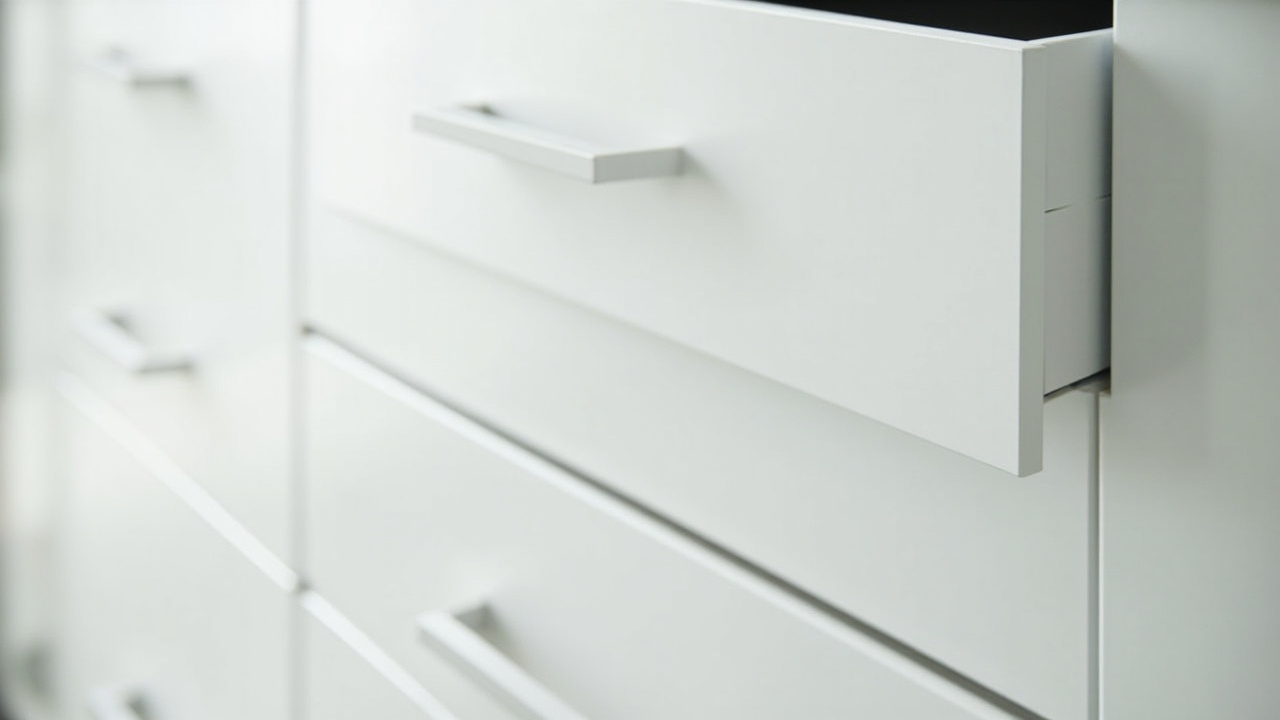
The cleanest front in the market right now is a handleless door opened by a light push against a mechanical or magnetic release. The look is minimalist and ages well because there is no hardware to tarnish. The cost premium is modest — about 8 to 12 percent over standard hinge cabinets — provided you specify a good-quality push latch; cheap latches fail within a year.
2. Two-tone colour blocking
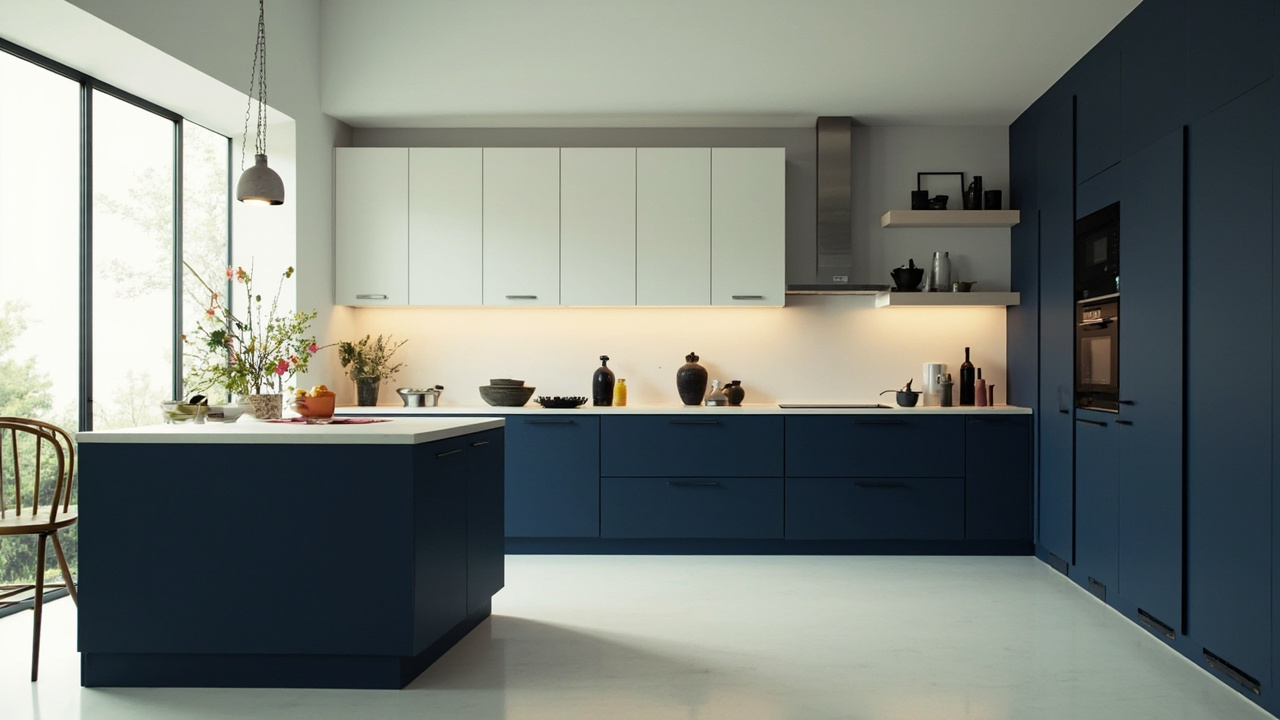
Pairing a light upper cabinet with a deep lower cabinet (navy, forest green, charcoal) is the single most requested finish combination in 2026 spec sheets. It photographs well for listings and reads as "designer" without requiring bespoke doors. The cost is purely in the lacquer colour change — typically a 3 to 5 percent uplift.
3. High-gloss PET panels
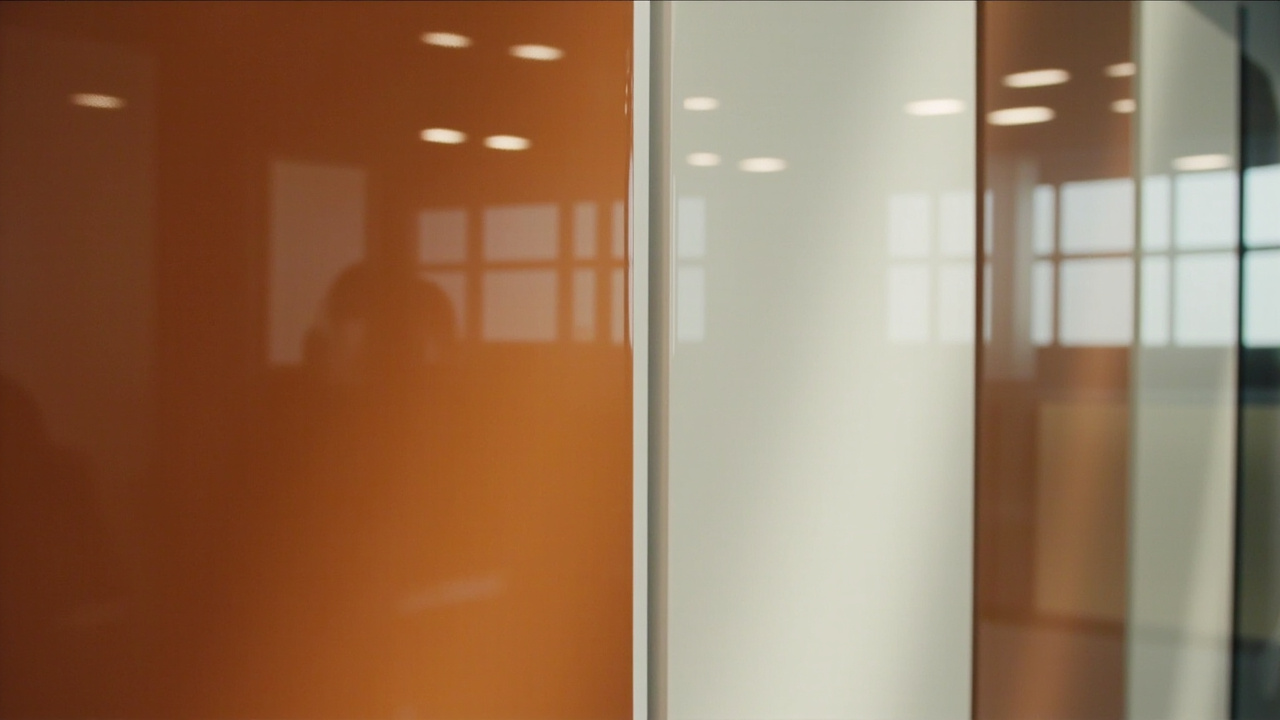
PET film has overtaken lacquer as the premium flat finish because it does not yellow, resists fingerprints and is fully recyclable. A high-gloss white PET door has the depth of a grand piano lid. Pricing sits 15 to 20 percent above melamine but well below real lacquer, which makes it the sweet spot for mid-market apartments.
4. The island as the heart of the kitchen
Kitchens without an island now feel incomplete to buyers under 40. The 2026 island integrates seating, storage, a prep sink and frequently a wine fridge in one block. Spec it with a 90 to 120 cm overhang for stools and a dedicated electrical circuit for small appliances.
5. Integrated rather than freestanding appliances
Panel-ready fridges, dishwashers and even coffee machines disappear behind cabinet doors, extending the visual line of the kitchen. The cabinetmaker needs precise appliance cut-out drawings, so the appliance model must be locked before cabinet production starts.
6. Sintered stone replacing quartz on worktops
Sintered stone (rock slab) is heat-proof, scratch-proof and available in slabs up to 3.2 metres without joins. It costs roughly 30 percent more than quartz but is rapidly becoming the expected worktop in upper-tier apartments because it resists the heat of a straight-from-the-oven pot.
7. Warm wood accents returning
After a decade of cool greys, warm oak and walnut accents are back — usually as open shelving, a feature panel or the island front, balanced against white or muted cabinetry. It humanises the kitchen and reads as craftsmanship.
8. Deep, sophisticated colours
Deep green (sage, olive, hunter), navy and even black cabinetry are moving from accent to main colour in brave developments. The risk is resale — deep colours polarise buyers, so they suit bespoke projects and lower-volume spec homes rather than mass-market towers.
9. Concealed lighting integrated into cabinetry
LED tape under uppers, inside deep drawers and behind open shelving is no longer an upgrade; it is expected. Spec a 24-volt system on a motion sensor for drawers, and a warm 2700K colour temperature to flatter food and skin tones.
10. Sustainable and recycled materials
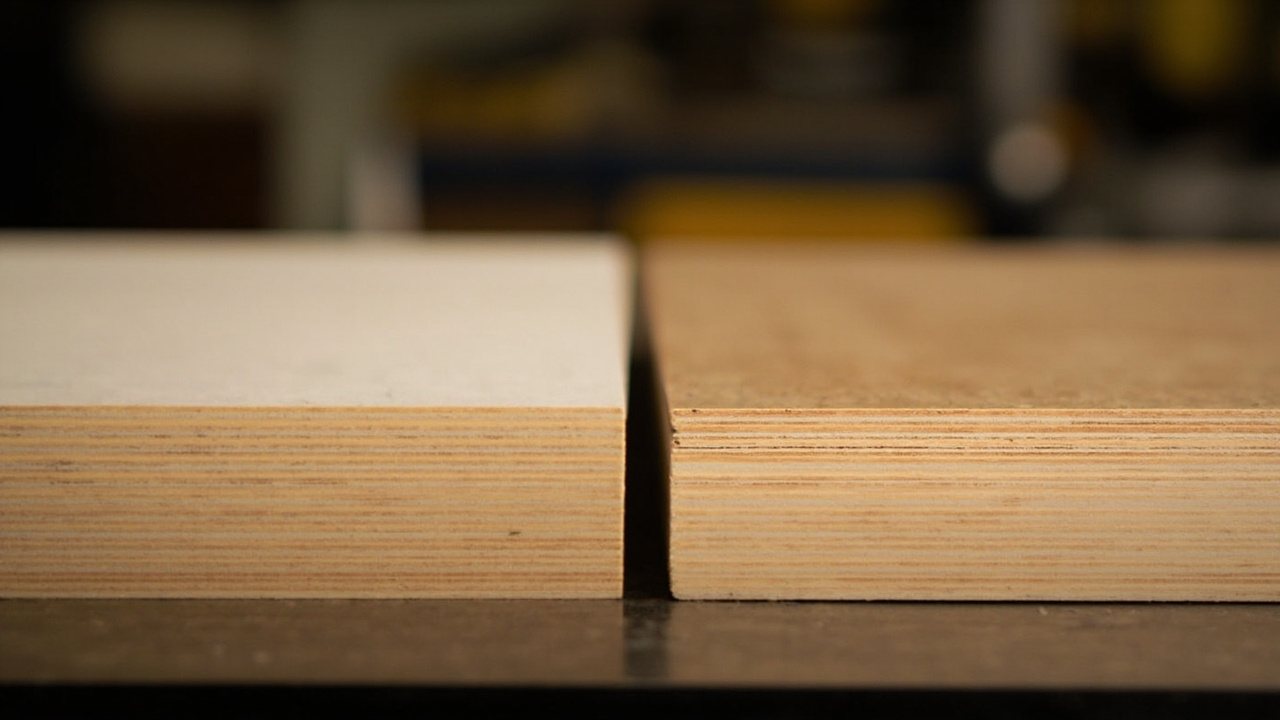
Boards made from recycled wood fibre, low-formaldehyde E0 glue and FSC-certified panels are moving from niche to default in markets with green building codes. They carry a 5 to 10 percent premium that buyers in Northern Europe and parts of North America increasingly expect to pay.
For a project buyer, the practical move is to pick two or three of these directions per development rather than all ten — a coherent story sells better than a catalogue of every trend. Lock the choices early, because they cascade into the door material, the hinge specification, the lighting electrical plan and the appliance cut-outs.