





Top 10 Kitchen Cabinet Manufacturers in China for 2026
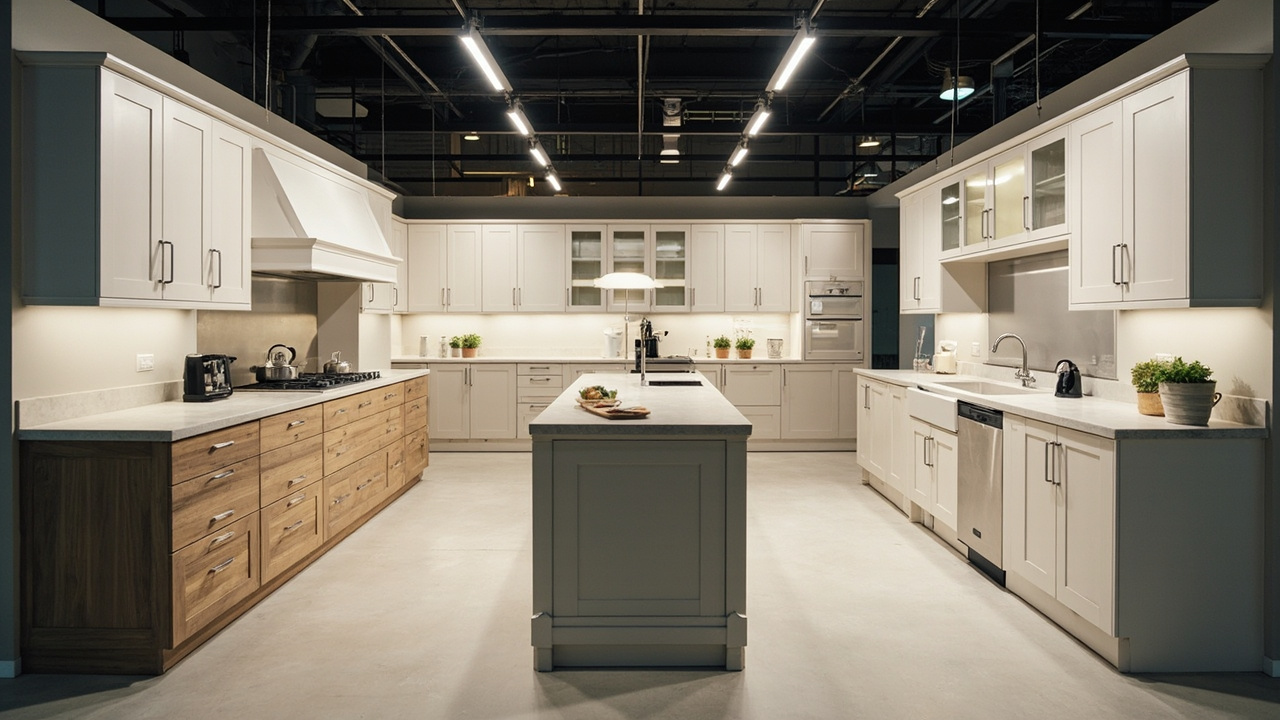
Every project buyer researching Chinese kitchen cabinets eventually asks the same question: which factories are actually worth visiting? The honest answer is that there is no single top ten, because the right factory depends on your order size, finish tier and destination market. What follows is a working map of the ten types of manufacturer that dominate Chinese cabinet exports in 2026, with the strengths and limitations that matter when you place a real order.
How the ranking is built
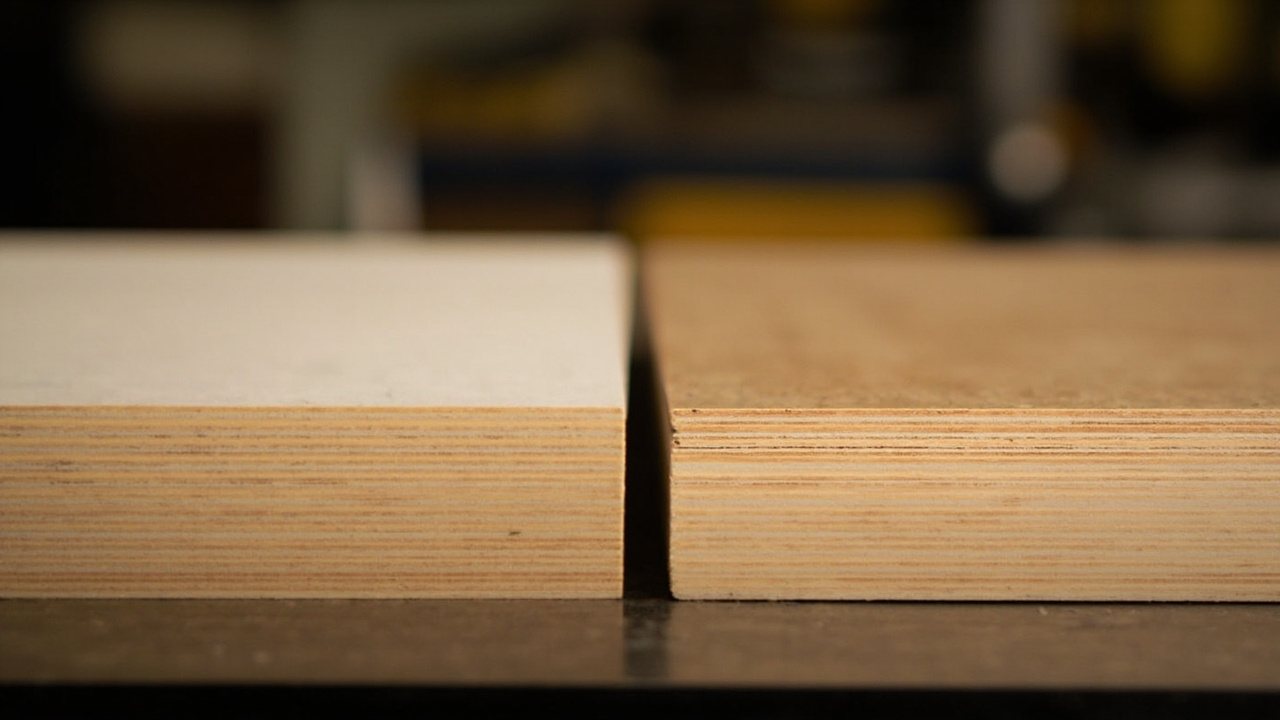
Rather than list brand names that change year to year, the ranking groups factories by what they prove on the production floor: monthly capacity, board processing equipment (panel saw, edge bander, CNC drilling), door finish capability, hardware sourcing policy, export certification (CARB P2 for the US, E1/E0 for Europe and the Middle East) and reference projects. A factory that excels at melamine flat-pack may be the wrong choice for a high-gloss lacquer hotel order, so each tier is described for what it does best.
Tier one — export-grade full-custom factories
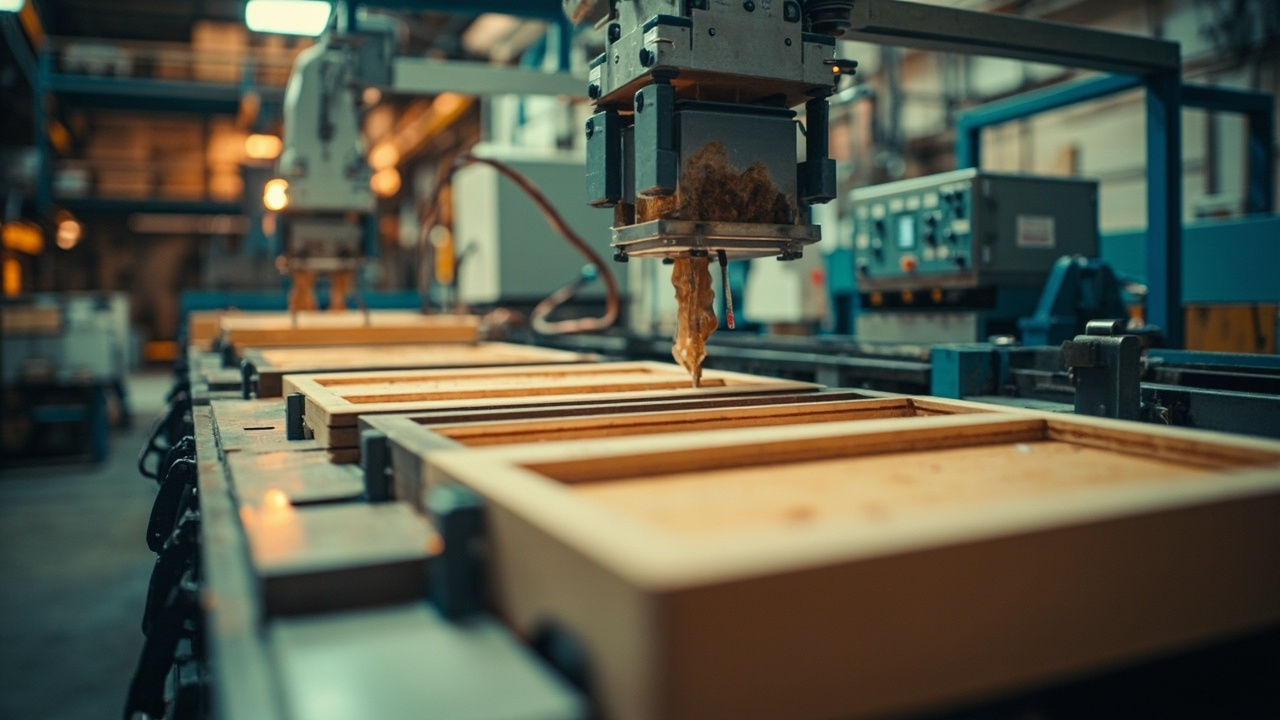
These are the large integrated plants, typically 40,000 to 120,000 square metres, with in-house UV lacquer lines, PUR edge banding and a dedicated engineering team that turns CAD drawings into cut lists. They serve North American builders, Australian developers and Middle East hospitality groups, run ISO 9001 quality systems and ship 200 to 600 containers a month. Lead time for custom work runs 40 to 60 days, MOQ is usually one full 40-foot container, and pricing lands in the upper-mid range. They are the safe pick when spec complexity is high and consistency across containers is non-negotiable.
Tier two — mid-volume specialists
Mid-volume factories (15,000 to 40,000 square metres) often outperform the giants on responsiveness and price for medium projects. Many specialise: one focuses on shaker-style painted doors, another on PET film surfaces, a third on solid wood traditional framing. Because they run fewer product lines, finishing quality on their core product is frequently cleaner than at a generalist plant. MOQ is more flexible, sometimes as low as 100 sets, and engineers are easier to reach directly. The trade-off is that capacity can be tight in peak season, so book production slots early.
Tier three — RTA flat-pack volume producers
For budget-driven residential developments, ready-to-assemble flat-pack factories deliver the lowest per-metre cost. They buy board in bulk, run long batches of standard sizes and pack tightly to maximise container yield. Hardware is typically entry-level Chinese brands with optional upgrades to DTC or Blum. Quality control must be specified firmly in the contract because the business model runs on thin margins. These factories shine on large, repeatable orders where design is locked and customisation is minimal.
How to match a factory to your project
Start from the spec, not the factory. Write down the door finish, board substrate, hardware tier, certification requirement and target landed cost per linear metre. Then request quotations from one factory in each tier and compare not only price but also the engineering questions they ask back. A factory that interrogates your drawings usually produces fewer surprises in production than one that quotes instantly. Always insist on a paid sample and a video factory walk-through before signing the contract.
Common pitfalls when choosing a supplier
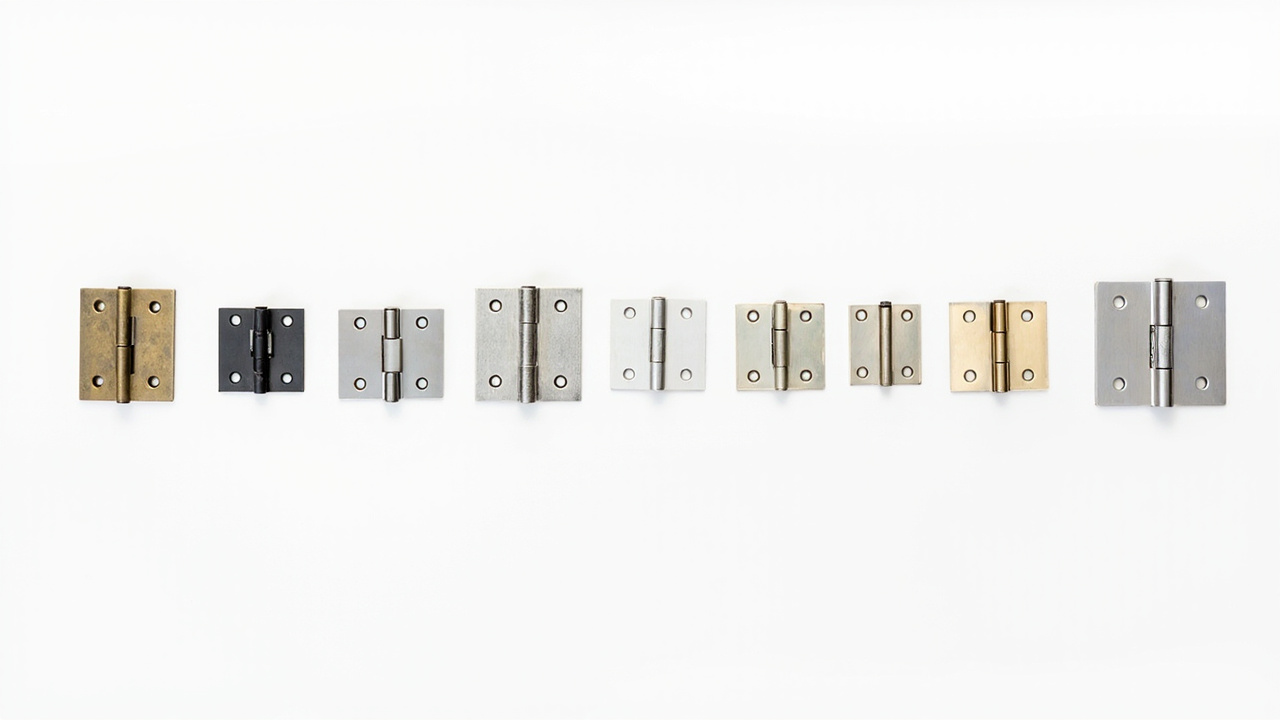
The most expensive mistake is being seduced by a low unit price without checking what is excluded. Confirm whether quotations include soft-close hinges, adjustable feet, kickboards, handles and edge banding glue type. Check the formaldehyde emission class on every batch certificate, not just the sample. Verify that the factory packs flat-pack cartons vertically and straps them, because horizontal stacking is the leading cause of corner damage in transit. Finally, never skip the pre-shipment inspection: even the best factory has off days, and a single bad batch can sink a project budget.
The right approach in 2026 is not to chase a single famous name but to build a shortlist of two or three factories across tiers, qualify each with a paid sample and a factory audit, and keep them warm between projects. The buyers who land the best quality and price treat their supplier base as a managed portfolio, refreshed every year as factories invest in new equipment and capacity.