





Top 10 Interior Door Manufacturers in China
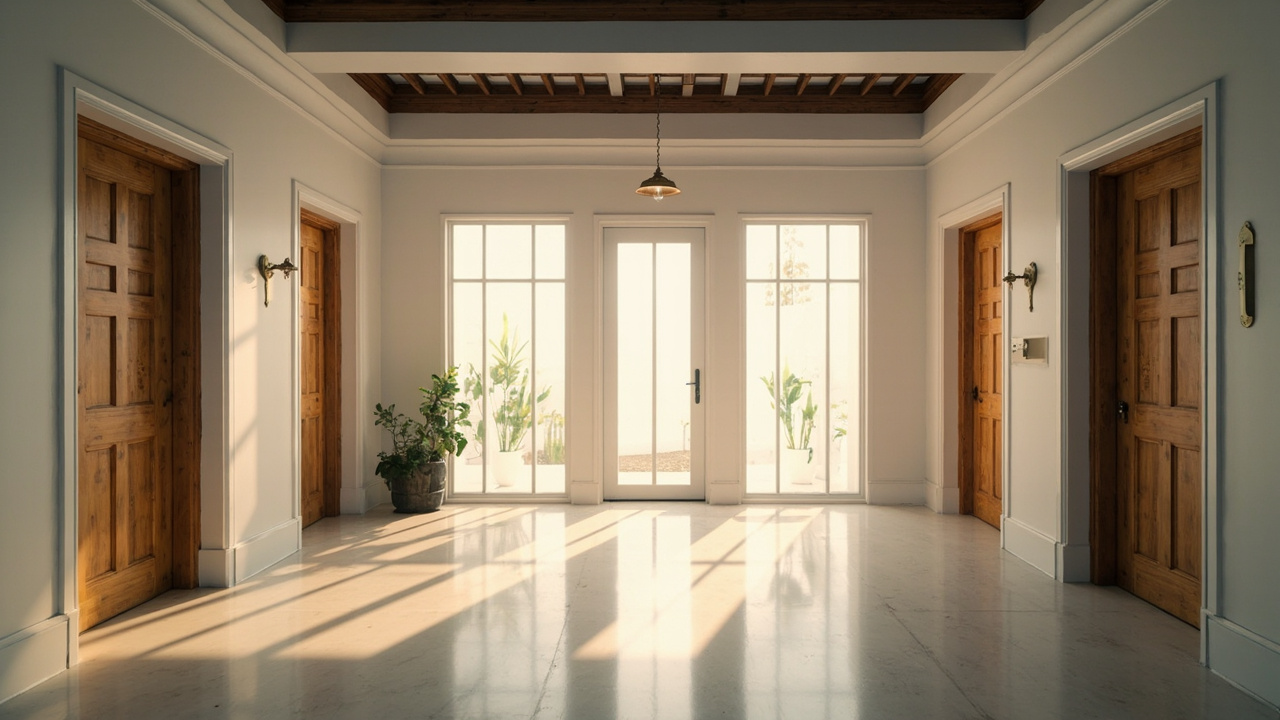
An interior door is a daily touchpoint. The skin material, the core construction and the finish decide whether a hotel door keeps its look through a thousand openings or whether it dents, warps and peels within a year. China produces most of the world's interior doors, concentrated in Zhejiang (Yongkang), Guangdong (Foshan) and Jiangsu, but the gap between a door that runs trouble-free for a decade and one that fails after a season is measured in skin density, core moisture content and lacquer cycles. This guide sorts the export-grade factories into ten archetypes so a project buyer can match a supplier to the room.
What defines an export-grade interior door factory
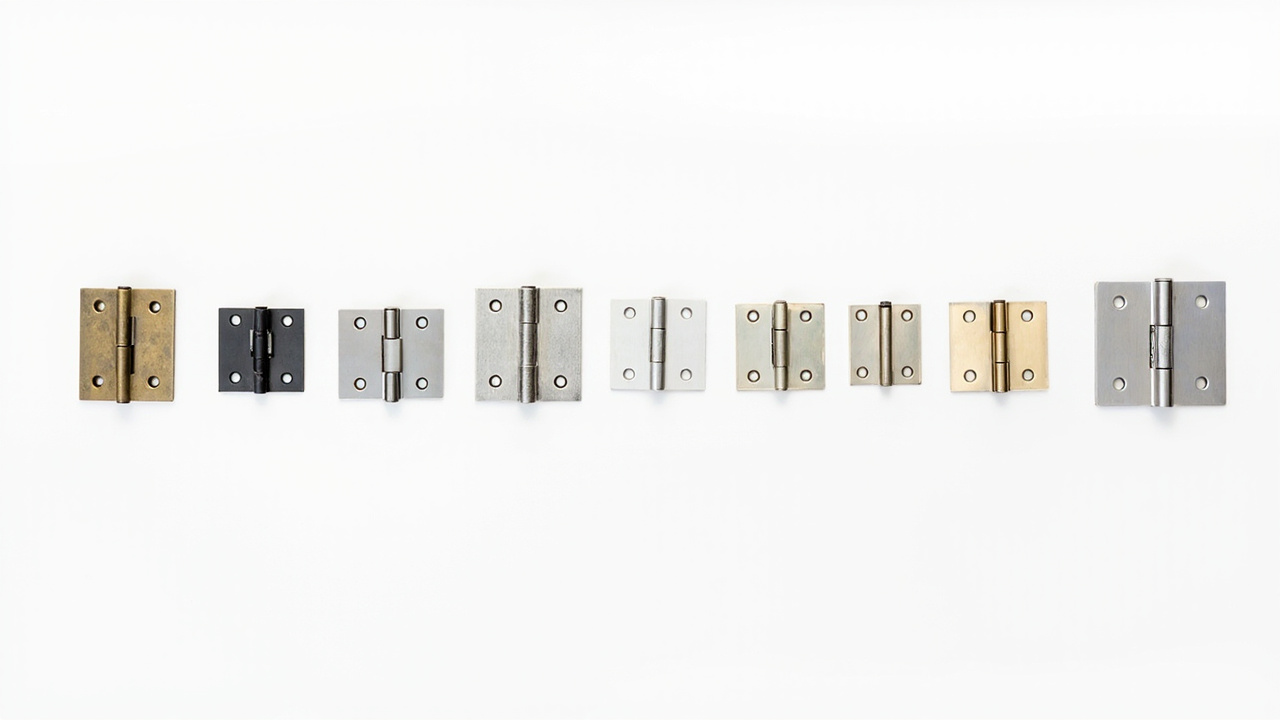
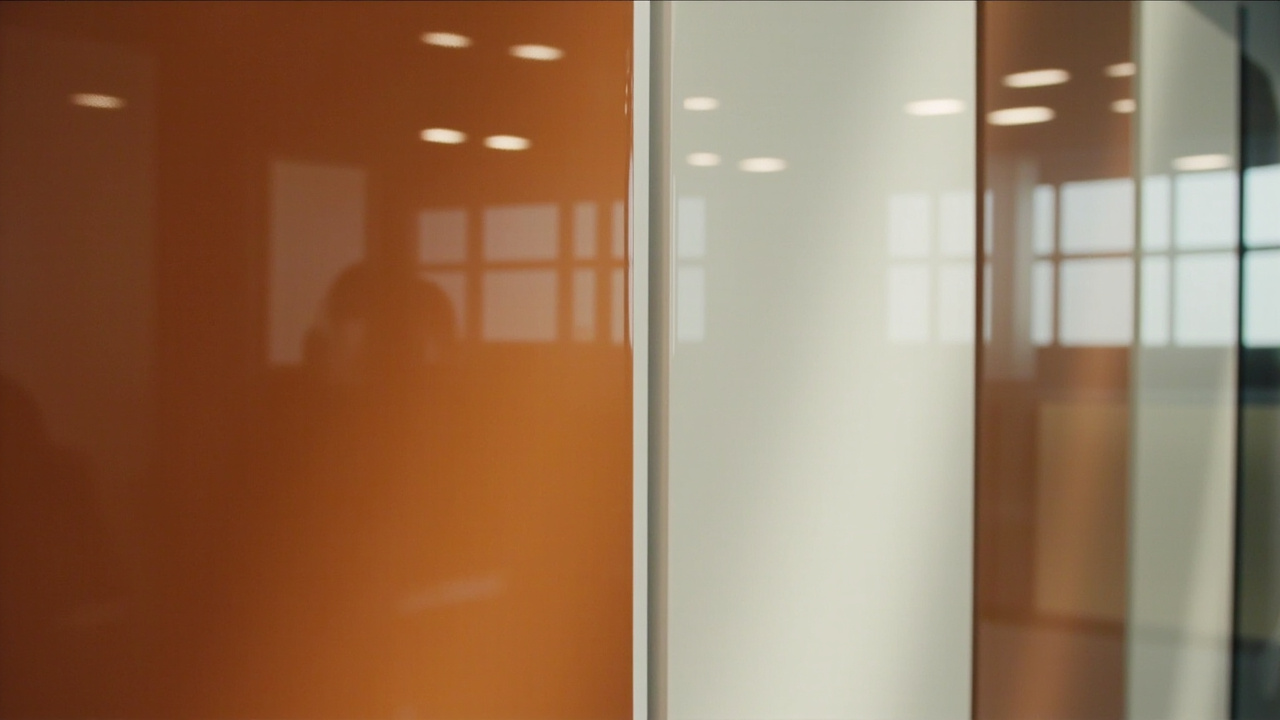
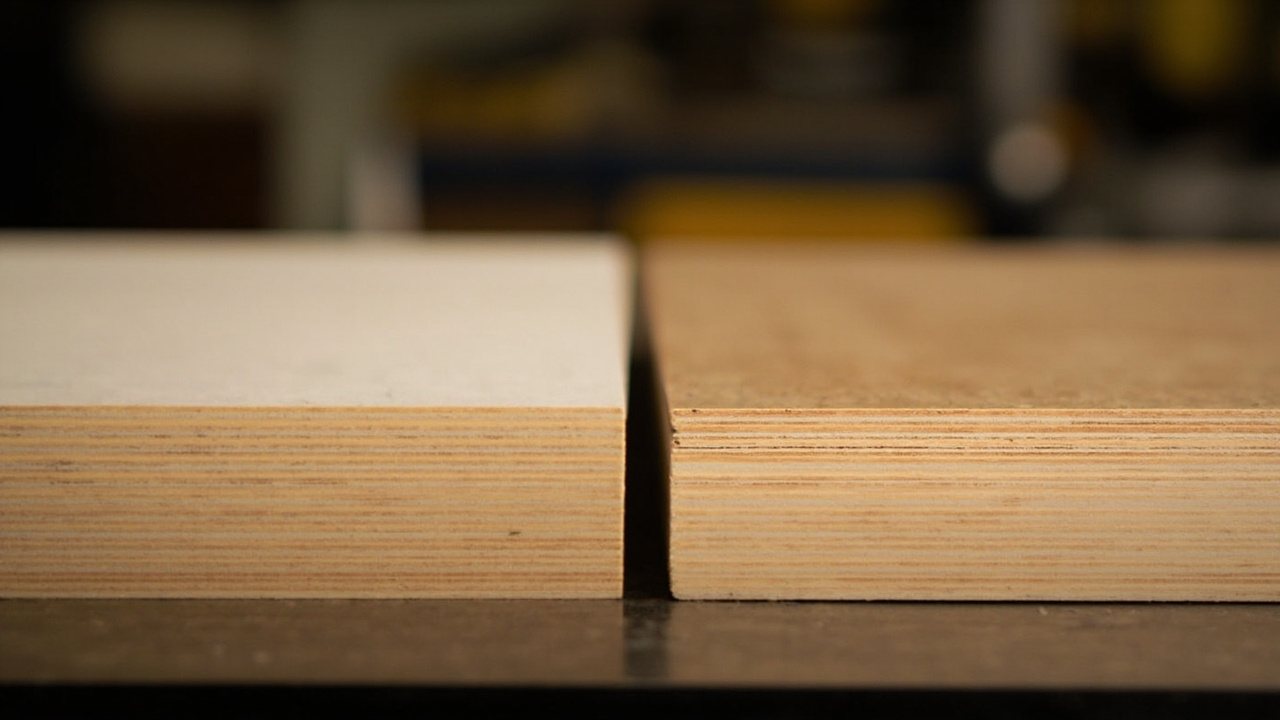
Four numbers tell most of the story. The skin material: a primed MDF skin (700 to 800 kilograms per cubic metre density) for a painted flush door, a natural wood veneer for a stained door, or a PVC membrane for a budget door. The core: a solid timber lattice core or a particleboard core, with a moisture content under 12 percent to resist warp. The finish: a UV-cured lacquer (two primer coats and two topcoats) for a flat door, or a PU (polyurethane) lacquer for a moulded door. The hinges: 304 stainless steel, three per door, mortised into the door and frame.
The integrated engineered-door groups
At the top sit vertically integrated groups that press their own MDF skins, machine their own stile-and-rail frames, and run their own UV lacquer lines. They produce the full range of flush doors, panel doors and moulded doors, and they hold CE, CARB P2 and FSC chain-of-custody. These are the default partners for hotel chains, serviced apartments and developer projects where uniformity across hundreds of openings and warranty back-up five years out are non-negotiable.
The natural veneer specialists
A focused archetype is the natural veneer specialist. The skin is a sliced natural wood veneer (0.6 millimetre thick, from American walnut, European oak or African mahogany) laid up over an MDF substrate. The craft is in the veneer matching (book-matched or slip-matched), the staining (an even wipe-stain across the leaf), and the lacquer (a PU satin or gloss that brings out the figure). They are the right call for high-end residential, boutique hotels, and any project where the door must match a wood floor or a wood panel.
The PVC membrane and skin producers
Another archetype specialises in PVC membrane and skin doors. The product is a door with a PVC membrane vacuum-pressed over an MDF frame, or a ready-finished skin door with a melamine-impregnated paper face. The unit cost is low, the colour range is wide (white, grey, wood-grain in dozens of tones), and the finish is a single process with no on-site painting. They are the right call for budget residential, builder-grade apartments, and for projects where a fast install is needed.
The solid wood stile-and-rail specialists
A focused tier produces solid wood stile-and-rail doors. The door is built from solid timber stiles and rails with panel inserts, the traditional five-panel or two-panel design. The craft is in the joinery (mortise-and-tenon construction), the timber selection (a single species, kiln-dried to 8 to 10 percent moisture), and the finish (a sanding sealer and a PU topcoat). They are the right call for classical residential, for heritage restorations, and for any project where the warmth of real solid wood is the brief.
How to qualify an interior door supplier
Before requesting prices, send the door size, the design (flush, panel, moulded), the skin material required, the finish required, the handing, the hinge and lock prep, and the quantity. Ask for the skin density certificate (MDF at 700 to 800 kilograms per cubic metre), the core moisture content report (under 12 percent), the finish system spec (UV or PU, number of coats), the formaldehyde emission certificate (CARB P2 or E0), and a full-size sample door of the intended specification. Test the sample: weigh it to confirm density (a 2.1-metre flush door should be 28 to 35 kilograms for a quality unit), measure the moisture content with a meter at three points, drop a 500-gram steel ball from 1 metre onto the face to check for dent, push a fingernail into the edge of the skin to check hardness, and place the door flat across two supports and stand on the centre to check the joint strength. Then shortlist two factories of different archetypes and decide on skin material and core construction rather than on the unit price. Sourcing interior doors direct from China still saves 30 to 50 percent against a regional distributor, but only when the buyer treats the skin density, the core moisture and the finish system as the three non-negotiables.