





Top 10 Insulation Material Manufacturers in China
Insulation is the layer that decides whether a building is cheap to run or expensive to run, quiet or noisy, and slow or fast to burn in a fire. China produces the full range of insulation materials for export, from rock wool and glass wool batts for walls and roofs to XPS, EPS and polyurethane boards for floors and sandwich panels, and the gap between a project-grade factory and a budget supplier is measured in thermal conductivity, fire class and density consistency. This guide explains the material families, the key specifications and the factory brief that delivers an energy code compliant envelope.
Rock wool, glass wool and the fibrous batt
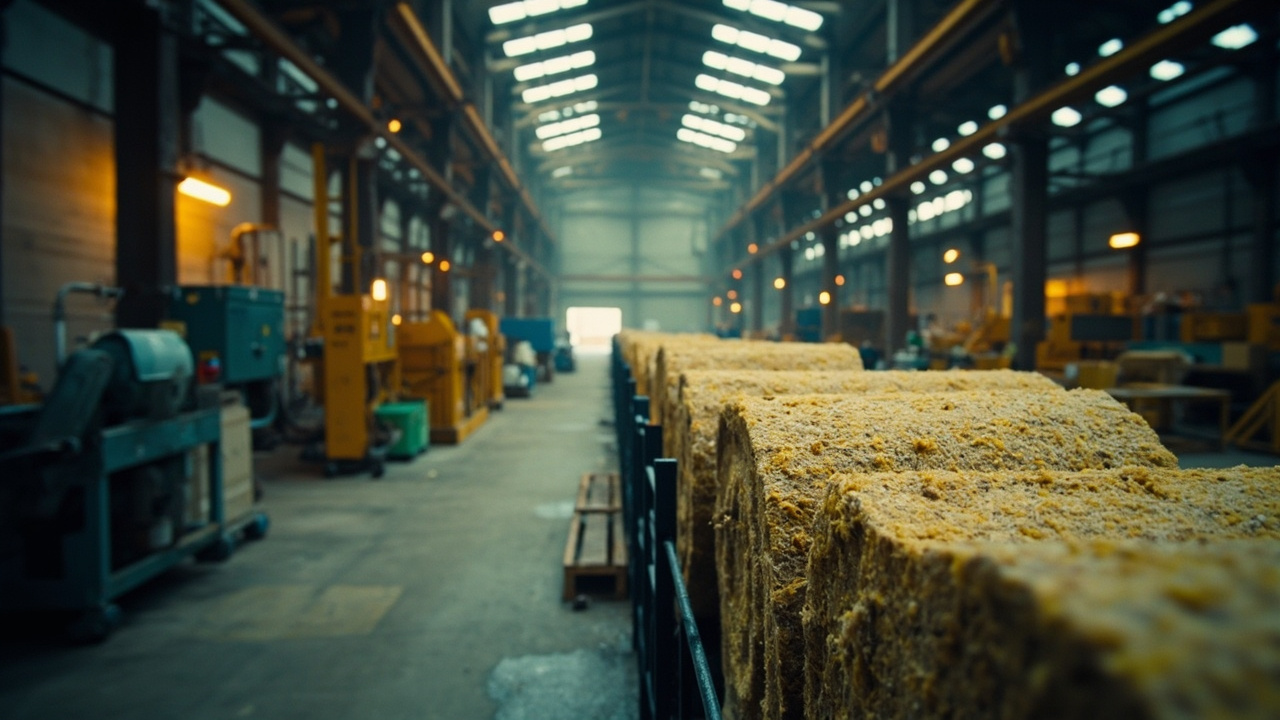
The fibrous insulations are the workhorse of wall and roof insulation and the first choice for any project that needs a real fire rating. Rock wool, spun from molten basalt at over 1000 degrees Celsius, is non-combustible (Euroclass A1, the highest fire rating), absorbs sound and holds its R-value over time; it is the right pick for partition walls, fire-rated assemblies and any room that needs acoustic isolation. Glass wool, spun from molten glass, is lighter and slightly cheaper than rock wool and is the volume choice for attics and suspended ceilings; it shares the A1 fire rating but is softer and less dense, so it is the wrong pick for an impact wall. Specify the density in kilograms per cubic metre (40 to 100 kg/m3 for rock wool, 10 to 30 kg/m3 for glass wool), because a higher density means better acoustic performance and better fire minutes per millimetre. The binder is the hidden detail: a formaldehyde-free binder is now the export standard, and the binder sets the smell and the long-term stability of the batt.
XPS, EPS and the rigid foam board
The rigid foam boards are the choice for floors, foundations and anywhere a fibrous batt would compress, and they answer two different problems. XPS (extruded polystyrene) is the premium choice: it has a closed-cell structure, a high compressive strength (300 to 500 kilopascals) and very low water absorption, making it the right pick for inverted roofs, car park decks and below-grade foundations where the board sits in permanent contact with water. EPS (expanded polystyrene), the bead foam used for packaging and lightweight fill, is the budget choice; it is cheaper and lighter than XPS but absorbs more water and has a lower compressive strength, so it is the right pick for fill under a slab but the wrong pick for an inverted roof. Polyurethane (PUR and the fire-improved PIR) has the best thermal conductivity of any common insulation (lambda 0.022 W/mK versus 0.034 for rock wool), which means a thinner board for the same R-value; it is the choice for sandwich panels and any project where the insulation thickness eats into the usable floor area.
Thermal conductivity, fire class and density
The three numbers that decide whether an insulation meets code are the lambda value, the fire class and the density, and a buyer who looks only at the price ends up with an underperforming envelope. The thermal conductivity, expressed as lambda in W/mK, sets how thin the board can be for a given R-value; the lower the lambda the better, and a project-grade rock wool runs at 0.034 to 0.040 W/mK, an XPS at 0.030 to 0.034 and a PIR at 0.022 to 0.026. The fire class is the safety number; for any wall, roof or partition that needs to resist fire, only Euroclass A1 (non-combustible, the rock and glass wools) or A2 (limited combustibility, some PIR boards with a fire-rated face) are acceptable, and a cheaper B or C class foam is a code failure and a fire risk. The density is the consistency number; a factory that runs a tighter density tolerance produces a board with no thin spots, which is what stops a thermal bridge and a cold patch on the finished wall.
Production capacity, packing and the order
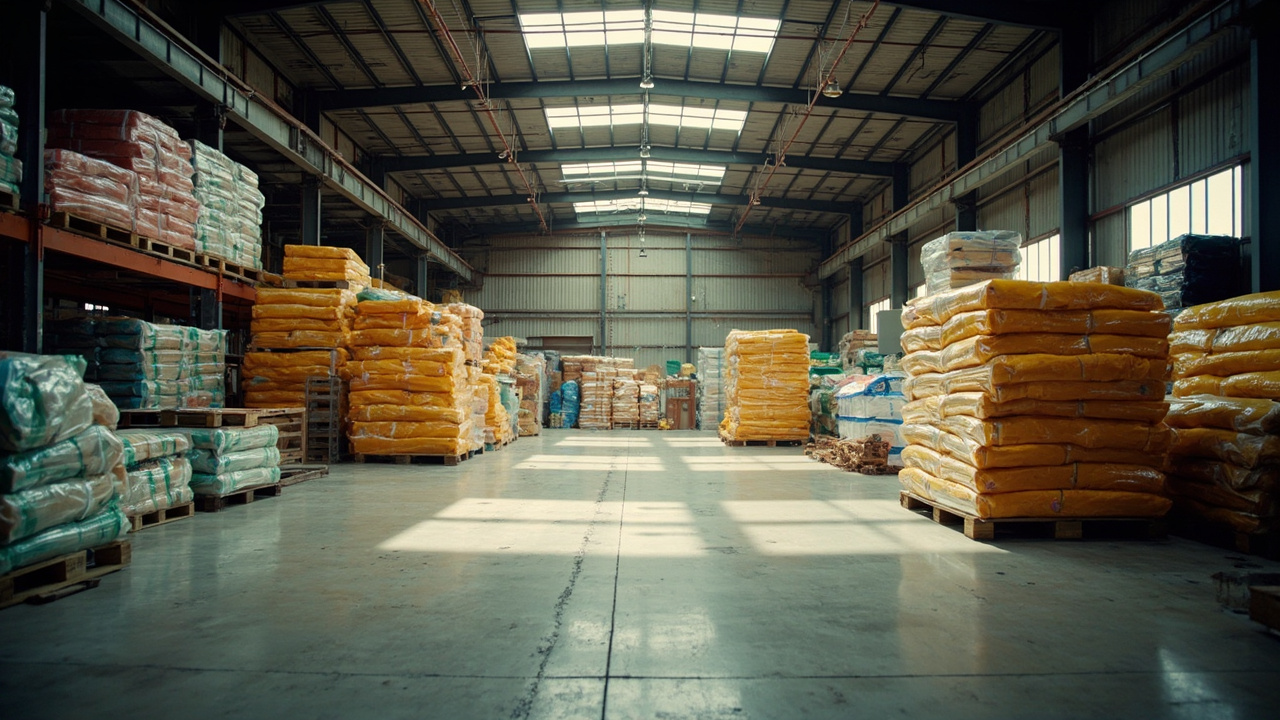
Insulation is light but bulky, and the freight cost per square metre can exceed the material cost if the factory pack is poor, so the compression pack and the pallet density decide the landed cost. Send your shortlisted three factories the same brief: the project location and the local energy code, the application (wall, roof, floor, foundation), the required R-value or U-value, the required fire class, the preferred material family, the project area in square metres, and the certification required. Ask for a paid sample of a full board or batt of each specified material, plus the test certificates for the lambda value, the fire class and the density. When the sample arrives, check four things: the measured thickness against the claimed size with a caliper at three points, the density by weighing a cut sample against its volume, the recovery of a compressed batt after 24 hours out of the pack, and the smell of the sample, which is the fastest informal check for binder quality. Negotiate on the compression pack and the pallet density: a factory that ships rock wool batts vacuum-compressed to 50 percent of their loose volume, and palletises XPS boards with corner protectors and a stretch hood, doubles the amount of insulation per container and halves the freight cost per square metre.
The right insulation manufacturer for a project is the one whose material family, lambda value, fire class and density tolerance match the project energy code and the application. The ten factories in this category cover the full spectrum from volume glass wool to premium PIR boards, so the buyer job is to match the application and the code to the factory specialism, then validate the lambda and the fire class with a paid sample and a test certificate before the bulk order.