





Top 10 Handrail System Manufacturers in China
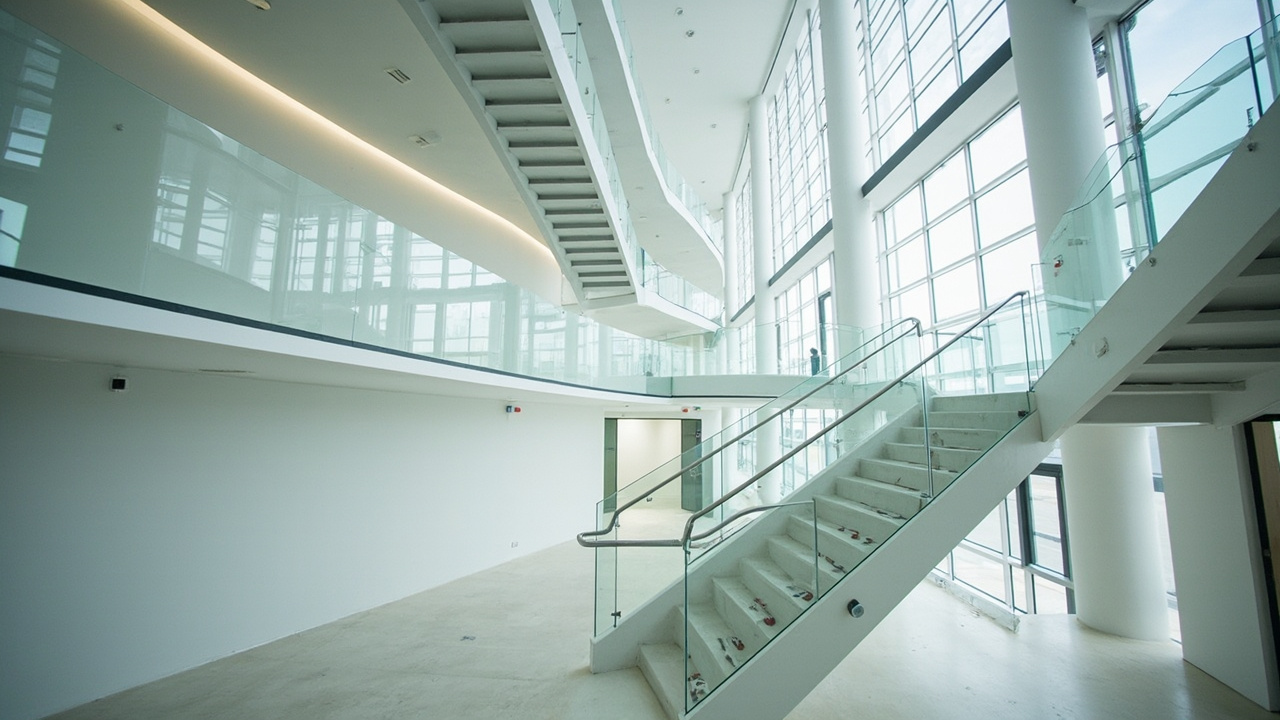
A handrail system looks simple, a row of posts holding a rail, but it is one of the most regulated and most-installed items in any building project. A balustrade on a balcony or a stair must resist a crowd leaning on it, meet a specific height and a specific infill gap, and survive weather if it is exterior. China has a deep base of handrail factories that supply hospitality, residential and commercial projects worldwide, and the gap between a good factory and a poor one is measured in fixing detail, post wall thickness and the quality of the finish. This guide explains the design choices, the code questions and the factory brief that turns a quote into a clean install.
Glass, cable and the infill decision
The infill is the visual choice and the structural load, and three systems cover almost every project. Glass balustrades, usually 12 or 15 millimetre tempered laminated glass held in a bottom channel or between stainless posts, are the contemporary choice for hotels and modern apartment balconies; they are wind-still, see-through and need no horizontal rails. Specify the glass thickness, the laminated interlayer (a 0.76 millimetre PVB or the stronger SGP), and the tempered mark, because unmarked glass fails code in most markets. Cable railing, vertical or horizontal stainless steel cables tensioned between posts, is the minimalist choice for decks and stairs with a view; specify cable diameter (1.5 to 2.5 millimetre is normal), the post spacing that drives the cost, and confirm a horizontal cable system meets the local code, because some markets ban horizontal cables as a climbable ladder. Vertical picket balustrades, in stainless steel or aluminium, are the workhorse choice for cost-led projects and balconies on a budget.
Posts, top rail and the base cover
The posts carry the load and the top rail carries the hand, and both need a clear specification. Aluminium posts are the export favourite for exterior and balcony work because they are light, never rust and take a powder coat in any RAL colour; specify a wall thickness of at least 2.0 millimetres for a balcony post, because thinner posts flex visibly under load. Stainless steel posts, in grade 304 for interiors and grade 316 for exteriors, are the heavier premium choice and pair naturally with glass infill. The top rail, whether stainless, aluminium clad with wood, or solid wood, should run the full length with no visible joint and a comfortable grab section of about 40 millimetres. The base cover is the small detail that sorts the better factories: a one-piece welded base plate with a snap-on cover hides the floor fixing, while a cheaper exposed base plate shows every bolt and looks unfinished in a hospitality setting.
Height, load and code compliance
The single most common reason a handrail fails inspection is the height and the infill gap, and these vary by market. The standard handrail height is 900 to 1100 millimetres from the finished floor, with the higher figure for commercial and balcony work; the maximum infill gap is usually 100 millimetres, the so-called sphere rule, which stops a 100 millimetre ball passing through, and a tighter 75 millimetre gap may apply where small children use the space. For load, the better international codes require the top rail to resist a horizontal line load of 0.74 to 1.5 kilonewtons per metre, depending on occupancy, which sets the post spacing and the post thickness. Ask the factory for a load test certificate for the specified span and the specified post, because many factories only quote generic catalogue numbers that have not been re-tested at the span you actually need.
Project packaging and the order
A handrail system ships as a kit of long profiles, posts, glass or cable, fittings and brackets, and the packing is where a competent factory earns its keep. Send your shortlisted three factories the same brief: the project type and location, the infill preference (glass, cable or picket), the post material and finish, the top rail material, the floor fixing type (concrete, deck timber or steel), the certification required and the project linear metres. Ask for a paid sample of one full post assembly, one glass panel or cable run, and one top rail joint, plus the full load test certificate for the specified span. When the sample arrives, check four things: the post wall thickness with a caliper at three points, the powder coat adhesion under a tape pull test, the colour match of the wood rail against the catalogue photo, and the smoothness of the top rail joint. Negotiate on the packaging and the spare parts: a factory that ships long profiles in timber crates, wraps each glass panel individually, and includes a 2 percent spare bracket kit saves the installer hours on site, because a missing bracket on a Sunday install is not a problem you can solve locally.
The right handrail manufacturer for a project is the one whose infill system, post thickness, top rail finish and load certificate match the project use and the local code. The ten factories in this category cover the full spectrum from cost-led picket systems to engineered glass and minimalist cable, so the buyer job is to match the project design and the code to the factory specialism, then validate the system with a paid sample and a load test certificate before the bulk order.