





Top 10 Glass Block Manufacturers in China
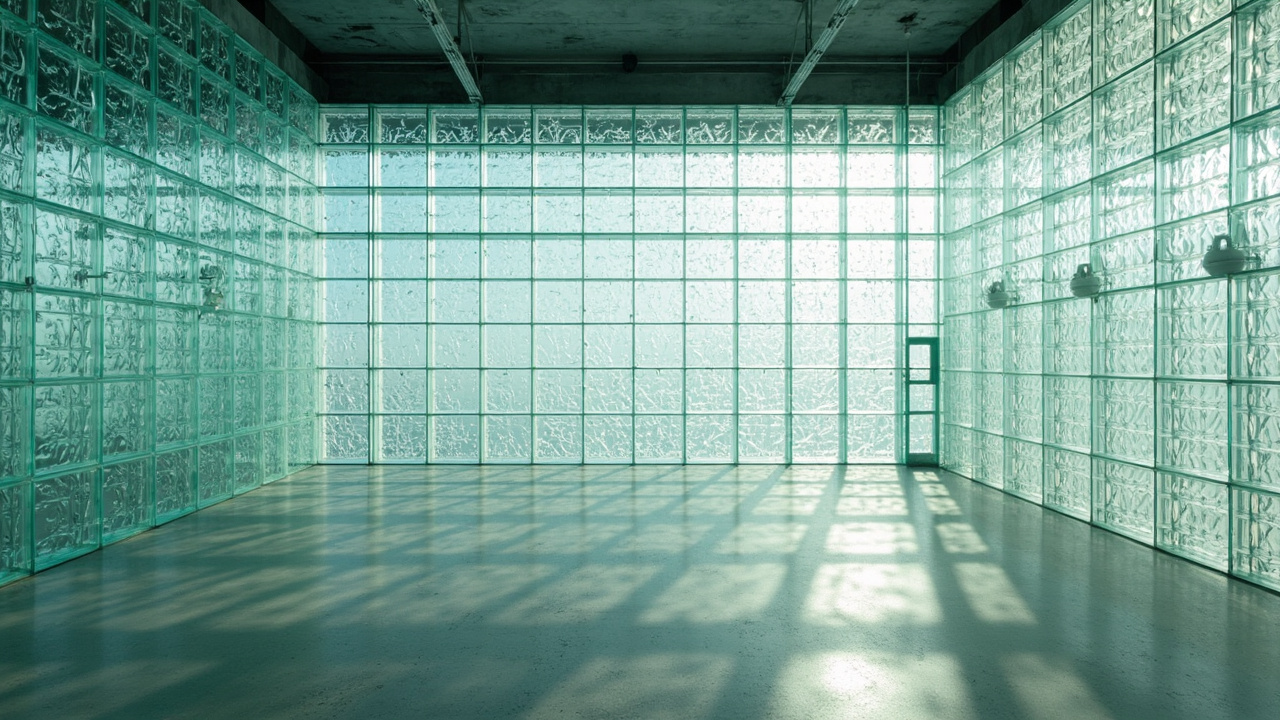
Glass blocks have a special place in building design: they carry light through a wall while still giving privacy, fire separation and a clearly retro-modern texture that interior designers keep rediscovering. China makes a large share of the world glass block supply, and the factories are clustered enough that a serious buyer can sample five producers in a single trip. This guide walks through how the better factories differ, and how to brief one for a project order.
Know the block types before you ask for quotes
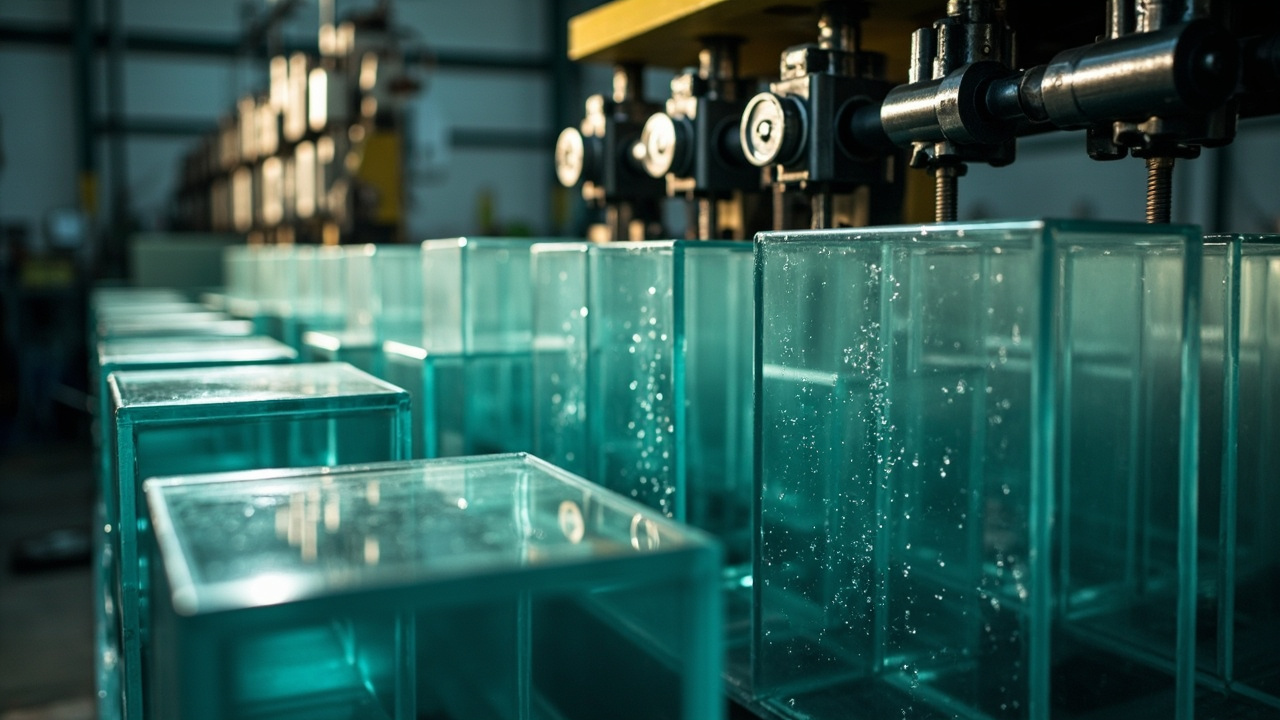
Glass blocks are not all the same product. A clear block maximises light transmission and is usually specified for stairwells and internal windows where privacy is not the priority. A frosted or satin block scatters the light and hides the figure behind the wall, which is why it dominates bathroom exteriors and shower screens. A patterned block, pressed with corrugated, diamond, wave or linear motifs, is the decorative choice for feature walls. Beyond surface finish, the block can be solid (a single pressed piece) or hollow (two pressed halves fused together with a partial vacuum inside). The hollow version is the export standard because the sealed air gap gives it real thermal and acoustic insulation value; the solid version is heavier, more fragile per unit, and usually only chosen for thin veneer tiles.
Sizes, light transmission and structural limits
The most common export sizes are 190x190x80mm, 240x240x80mm and the oversized 300x300x100mm used for feature walls. Square formats dominate, but rectangular 190x90mm and 240x115mm are produced for running-bond patterns that imitate brick. When you compare factories, ask for the published light transmission value, which typically ranges from 50 to 85 percent depending on the pattern, and the sound reduction index Rw, which sits between 35 and 45 dB for a single skin hollow block. Be clear with the factory about whether your wall is non-load-bearing only, because a glass block panel carries no vertical load: the framing around it, whether aluminium, steel or mortar bed, is what holds the building up.
Fire rating and safety certifications
For commercial and hotel work, fire performance is usually the make-or-break specification. The better Chinese factories have had their hollow blocks tested to give an EI30, EI45 or EI60 rating, meaning integrity and insulation for 30, 45 or 60 minutes against a standard fire curve. Ask for the test certificate and the laboratory name; certificates from a CNAS-accredited lab carry weight in most markets. A separate, often overlooked, certification is impact safety. Standard hollow blocks are annealed, not tempered, so a toughened outer skin or a laminated glass vinyl is required where human impact is foreseeable, such as in schools, sports halls or low-level partitions. Reputable producers will supply an impact-rated variant or a polycarbonate-backed option on request.
Packing: the hidden cost in glass block quotes
More glass block claims come from poor packing than from any production defect. A serious factory will pack every block individually in a foam sleeve or partitioned honeycomb carton, then strap a fixed quantity onto a wooden pallet with edge protectors and a top sheet. Cheap quotes often wrap blocks only in thin corrugated dividers, which is fine for domestic delivery in a cushioned truck but cannot survive the three weeks at sea and the rough handling at the destination port. Insist on ISPM-15 heat-treated pallets if your country requires it, and add a clause in the purchase order that any block broken on arrival beyond a pre-agreed breakage allowance of one to two percent will be replaced free of charge at the next shipment. Asking the factory to include a small spare percentage, often five percent, in the order is cheaper than a top-up freight for fifty broken blocks.
How to compare your top three factories
Send the same enquiry to three factories: the block format, the surface pattern, the thickness, the fire rating target, the project country and the approximate order size in square metres. Compare the responses on three axes. First, the clarity of the technical reply: a factory that answers your fire rating question with a real certificate number and a Rw value is a different beast from one that replies "good quality, please trust us". Second, the sample quality: pay for a 4-block sample pack in your specified pattern and examine the edge fusion line (where the two halves meet), the surface clarity and the dimensional tolerance, which should be within plus or minus 0.5mm. Third, the production lead time: most factories run a 25 to 40 day cycle for stocked patterns and 45 to 60 days for a custom colour or an unusual shape, so build the schedule accordingly. The price gap between the cheapest and the most expensive of your three quotes is rarely more than 15 percent, and that difference is almost always eaten up by the cost of breakage if you pick the cheapest without checking the packing.
Glass blocks reward the buyer who treats them as a manufactured product with a specification, not as a commodity. The ten factories in this category range from high-volume clear block exporters to boutique producers of custom coloured and patterned pieces, so the right move is to match the project need to the factory specialism and then spend a few hundred dollars on samples and a packing audit before the full container commitment.