





Top 10 Faucet Manufacturers in China: Brass Body and Cartridge Quality
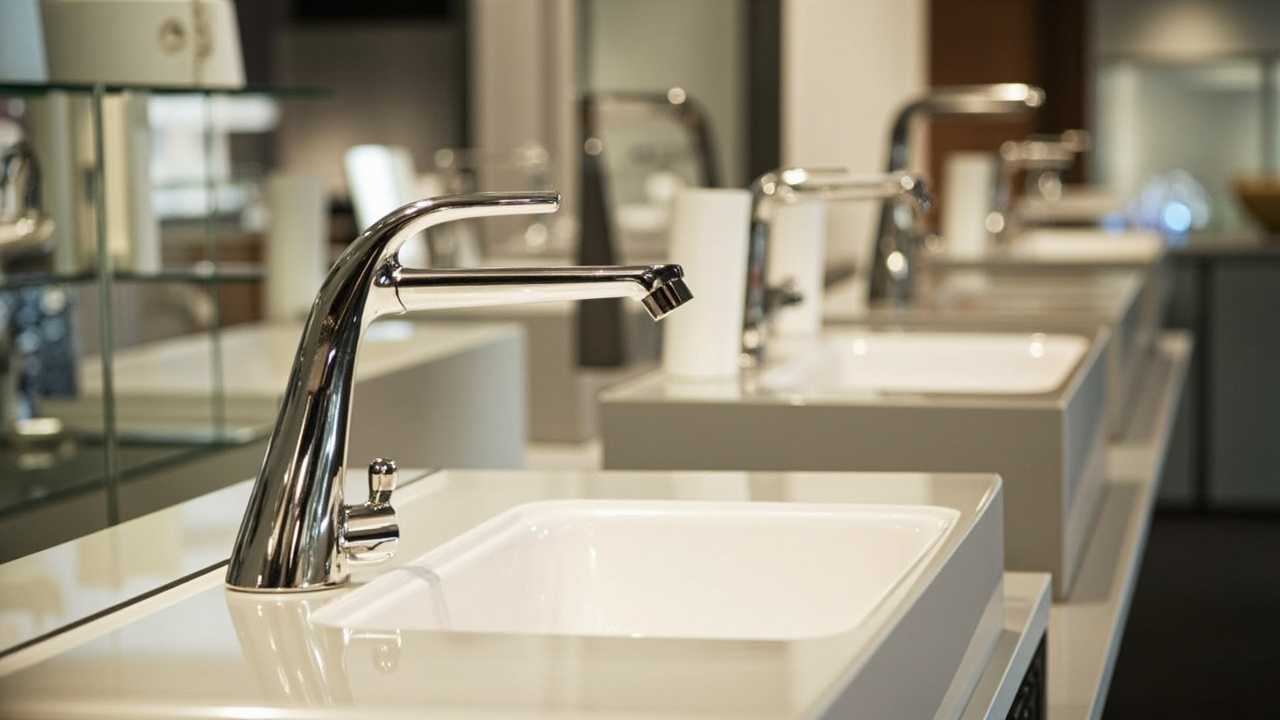
A faucet is a small item with an outsized impact on a project. A cheap tap that drips after a year will cost more in warranty claims and guest complaints than the entire bathroom it sits in. China now makes more faucets than any other country, concentrated in Kaiping in Guangdong, and the export range runs from budget zinc-alloy fittings to lead-free brass fixtures for five-star hotels. This guide sorts the export-grade producers into ten archetypes, each defined by the brass body process, the cartridge and the plating, so a buyer can match a factory to the brief.
What defines an export-grade faucet factory
Three components decide the life of a faucet. The body: forged brass (a solid billet hammered under pressure) is denser and more corrosion-resistant than sand-cast brass, and a serious export factory will name the brass grade (CW617N, DZR or low-lead brass) and show the forging die. The cartridge: a ceramic disc cartridge from a recognised brand (Sedal, KVG, Fluid and Citec in China, plus imported Kerox and Vale) will outlast a generic cartridge by years, and the difference shows in the cycle test (500,000 cycles versus 50,000). The plating: a three-layer finish of acid copper, bright nickel and chrome, with a total thickness of at least 10 micrometres, tested for salt-spray resistance of 200 hours minimum.
The integrated export-grade groups
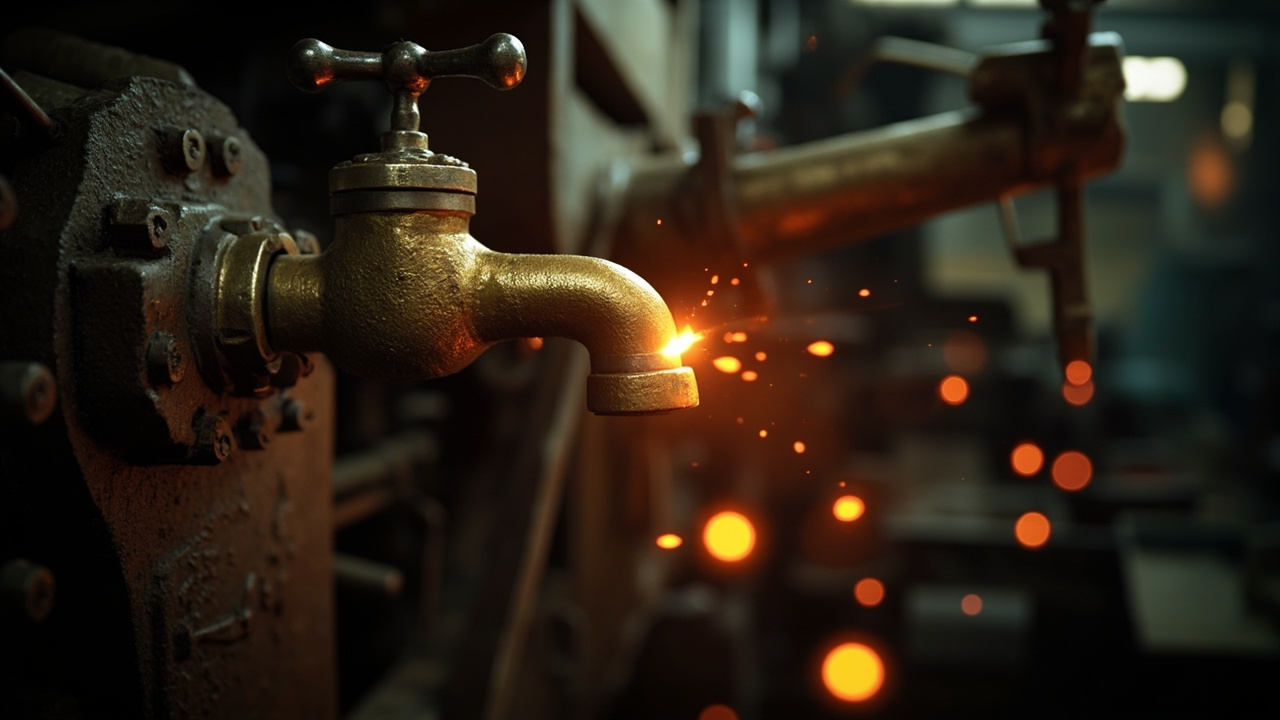
At the top sit groups that forge their own brass, machine the bodies in-house, assemble the cartridges and run their own plating line. They produce the full range, from single-lever basin mixers to wall-mounted shower systems and sensor faucets, hold cUPC, WaterMark, CE and NSF 61 lead-free certifications, and export to chain hotels and developers worldwide. These are the default partners for hotel and residential projects where consistent plating colour and cartridge feel must run across hundreds of units.
The lead-free and DZR specialists
A distinct tier is built around lead-free brass. These factories run dezincification-resistant (DZR) or low-lead brass grades, machined and assembled in a separate workshop to avoid cross-contamination with standard leaded brass. They hold NSF 61, NSF 372 and AB 1953 certifications for the US market and EN 16417 for Europe. For drinking-water applications, schools, hospitals and any project heading to California or Vermont, this is the only archetype that ships a compliant product.
The thermostatic and shower system specialists
Some factories make their reputation on thermostatic mixers and shower systems. They integrate a thermostatic cartridge that holds water temperature within one degree even when a toilet flushes elsewhere in the building, and they engineer the shower valve, the hand shower, the overhead shower and the diverter as one system. The craft is in the cartridge wax element and the scald protection cut-off. They are the right call for hospitality and luxury residential where the shower is the daily ritual.
The sensor and electronic faucet specialists
A focused category produces sensor faucets for public washrooms. They pair a brass body with an infrared sensor, a solenoid valve and a battery or mains-powered control board. Quality hinges on the sensor range (adjustable from 10 to 30 centimetres), the battery life (three years minimum on four AA cells) and the IP rating of the electronics (IPX5 minimum under the deck). They target airports, malls, hospitals and hotels where touchless operation is now expected.
How to qualify a faucet supplier
Before requesting prices, send the project type, the deck-mount or wall-mount spec, the finish (chrome, brushed nickel, matte black, gunmetal), the certification required (cUPC, WaterMark, CE, NSF 61) and the quantity. Ask for the brass grade certificate, the cartridge brand and its cycle test report, the plating thickness report (checked with a thickness gauge on the spout) and the salt-spray test report. Order a paid sample, weigh it to gauge the brass content (a real brass basin mixer weighs 1.2 to 1.8 kilograms), fit it to a test deck, and run the hot and cold supply to check for cross-flow and drips. Cycle the handle five hundred times to check the cartridge. Then shortlist two factories of different archetypes and decide on warranty terms and cartridge brand rather than on the unit price. Sourcing faucets direct from China still saves 30 to 50 percent against a regional brand, but only when the buyer treats the brass body, the cartridge and the plating as the three non-negotiables.