





Top 10 Elevator Manufacturers in China for Export
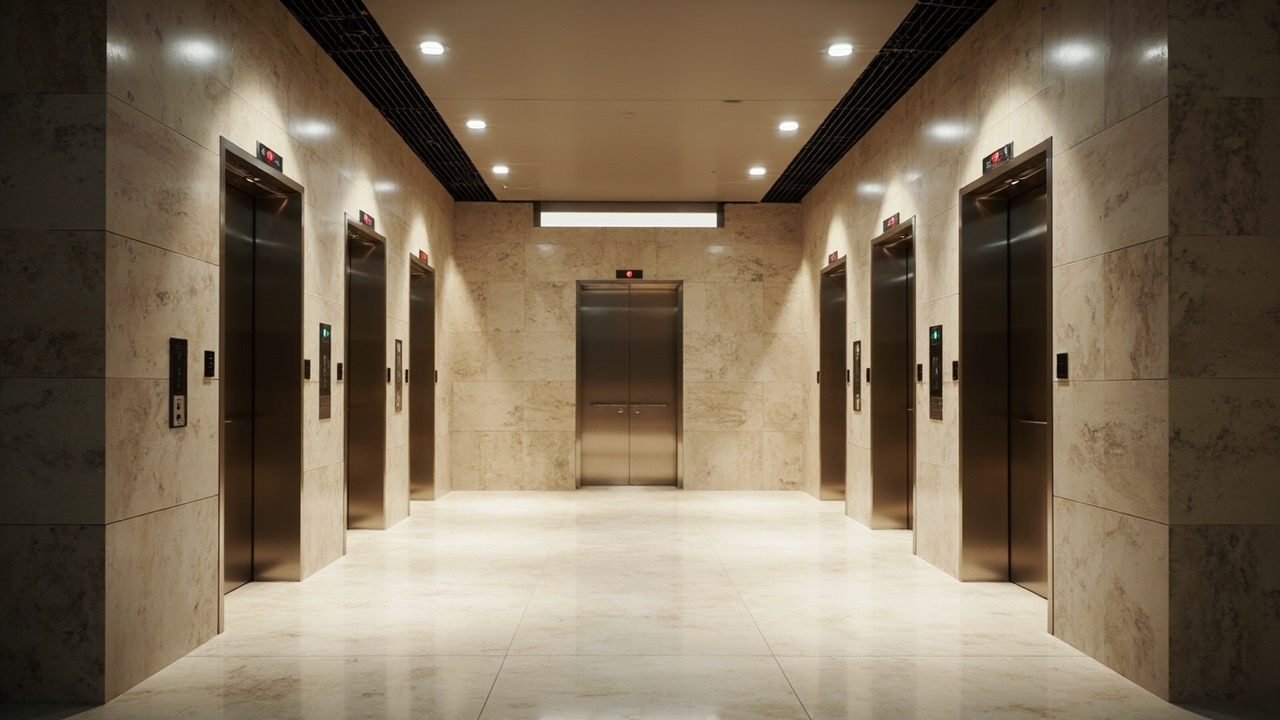
An elevator is the most expensive single piece of equipment in a residential or hospitality project, and the unit that the end user touches and judges every single day, which is why a quiet, reliable car makes a building and a noisy, breakdown-prone car breaks the project reputation. China is now one of the largest elevator producers in the world, with factories across every category from passenger and home lifts to freight, panoramic and machine-room-less units, and the gap between a project-grade elevator and a budget one is measured in the drive system, the cabin finish and the after-sales network. This guide covers the product families, the specifications that decide ride quality and safety, and the factory brief that delivers an elevator matched to the building and the code.
Passenger, home, freight and the product families
Passenger elevator, the volume product, is the workhorse of residential towers, hotels and office buildings, with a rated capacity of 630 to 1600 kilograms (8 to 21 passengers) and a rated speed of 1.0 to 2.5 metres per second; specify the capacity by the building population (one car per 50 to 75 occupants is the planning rule), the speed by the travel height (1.6 metres per second for up to 10 floors, 2.5 for up to 20 floors), and the cabin door type (side-opening or centre-opening, centre-opening being the project standard for smooth traffic). Home elevator, the smaller cousin for villas and low-rise residences, runs at a lower capacity of 250 to 400 kilograms and a lower speed of 0.4 metres per second, and is the right pick for a private residence where a passenger unit is overkill. Freight elevator carries 2000 to 5000 kilograms with a heavier floor, a tougher cabin and a slower speed, and is the choice for goods handling in hotels, hospitals and warehouses. Panoramic elevator, with a glass cabin and a glass or open shaft, is the showcase unit for an atrium or a facade.
Machine-room-less, VVVF drive and the traction family
The drive system is the single most important specification, and the traction elevator with a gearless VVVF drive is now the project standard for any serious build. The machine-room-less (MRL) layout places the traction machine at the top of the shaft inside the hoistway, which removes the separate machine room on the roof and saves the builder about three square metres of sellable floor per stop; it is now the default choice for residential and hotel towers up to about 20 floors. The VVVF (variable-voltage variable-frequency) drive controls the motor with smooth acceleration and deceleration, which is what gives the quiet, jerk-free ride; specify the VVVF inverter brand (a named drive brand is the project standard), the levelling accuracy in millimetres (plus or minus 5 millimetres is the standard), and the start-and-stop deceleration in metres per second squared, which is the only real proxy for ride comfort. The older geared traction elevator is still available for freight and high-rise work, and the hydraulic elevator is the right pick for low-rise freight and parking where the shaft depth is not a problem, but neither is the choice for a passenger tower.
Cabin finish, safety device and the code pack
The cabin finish and the safety device are the two specifications the end user notices every day, and a buyer who looks only at the rated speed ends up with a cheap-feeling car. The cabin finish runs from hairline stainless steel (the project standard for hotels and offices) to painted steel, etched stainless and the higher-end wood or mirror finish; specify the wall finish, the ceiling (LED downlight or cove light), the floor (PVC, marble or tile), and the COP (car operating panel) and LOP (landing operating panel) finish, because the buttons are the part the user touches the most. The safety device set is the second key spec; an elevator must carry an overspeed governor, a safety gear that grabs the rail if the car runs away, a buffer at the pit bottom, a door lock that cannot open between floors, and an emergency light and alarm with battery backup, all certified to the local code. Ask for the full code pack: the EN 81 or GB code certificate, the seismic certificate where the project zone requires it, and the CE or local conformity mark; a serious factory ships the code pack with the unit, and a factory that quotes a price without the code certificate is one to avoid.
Installation, after-sales and the order
Send your shortlisted three factories the same brief: the project type (residential, hospitality, office, hospital), the number of stops, the travel height, the rated capacity, the rated speed, the cabin finish level, the door type (centre-opening or side-opening), the local code (EN 81, GB or other) and the seismic zone if applicable. Ask for a paid factory visit to the assembly line (or a video tour if travel is not possible), a full set of car drawings, the code certificate pack, the drive and safety device brands, and the name of the local installer. When the quote comes in, compare five things: the drive brand and the safety device brand (these are the only parts that decide reliability), the cabin finish spec (named material, not generic stainless), the warranty terms (parts and labour, with the response time in writing), the installer network in the destination country, and the spare parts list shipped with the unit. Negotiate on the installer and the spare parts: a factory that trains a local installer in your destination country, ships a starter spare parts pack (door rollers, buttons, fuses, brake pads), and provides a one-year parts warranty with a 24-hour response time keeps the elevator running and protects the project reputation, because a broken elevator in a hotel is a broken project.
The right elevator manufacturer for a project is the one whose product family, drive system, cabin finish and code pack match the building use and the local code, validated by a factory visit and a code certificate pack. The ten factories in this category cover the full spectrum from passenger and home lifts to freight, panoramic and machine-room-less units, so the buyer job is to match the building type and the travel height to the factory specialism, then confirm the drive brand and the installer network before the order.