





Top 10 Door Hardware Manufacturers in China

Door hardware is the component a building user touches most often, and it is also the component that fails most visibly. A sticking lock or a drooping hinge on a hotel room door generates a maintenance call within weeks, and a fire-rated door that loses its certification because the wrong lock was fitted is a serious building defect. China now manufactures a deep supply of locks, handles, hinges and closers at every quality tier, and the gap between the best and the worst is wide. This guide explains how to read a door hardware specification, what separates a project-grade factory from a budget one, and how to brief a shortlisted supplier.
Mortise locks, cylindrical locks and the lock body
The lock body is the heart of the hardware set, and the choice of mortise versus cylindrical sets the tone for the whole project. A mortise lock, which sits inside a pocket cut into the door edge, is the project-grade choice for hotels, offices and commercial buildings because it carries more load, accepts a wider range of trim and lasts longer under heavy use. A cylindrical lock, which bores through the door face, is cheaper and faster to install but is suited to residential and light-commercial doors only. The key specification questions for a mortise lock are the latchbolt projection, the deadbolt throw, the backset dimension, and the cycle-test rating, where a serious commercial lock should pass at least 500,000 open-close cycles to EN 12209 or ANSI/BHMA A156.13. Ask for the cycle test report and the stainless steel content of the lock case, because a lock body in cheap zinc alloy will pit and seize in a coastal climate within three years.
Stainless steel versus zinc alloy and the finish stack
The visible trim, the lever handle, the rose, the escutcheon and the cylinder cover, is where most quality complaints appear. The two base materials are stainless steel and zinc alloy. Stainless steel, typically grade 304 for interior and grade 316 for coastal or exterior doors, is harder, more corrosion-resistant and the right choice for high-traffic commercial doors; it is finished by polishing, brushing or PVD (physical vapour deposition) coating. Zinc alloy, cheaper and easier to cast into decorative shapes, is the standard for residential handles and is finished by electroplating in brass, chrome or nickel. The PVD finish is the premium choice because it bonds the colour into the metal surface and resists the wear that turns a polished chrome handle dull after two years of hotel use. Ask the factory for a salt-spray test report on the finish, where a PVD finish should pass 200 hours or more without corrosion and a standard electroplate finish passes 48 to 96 hours.
Hinges, door closers and the fire-rated question
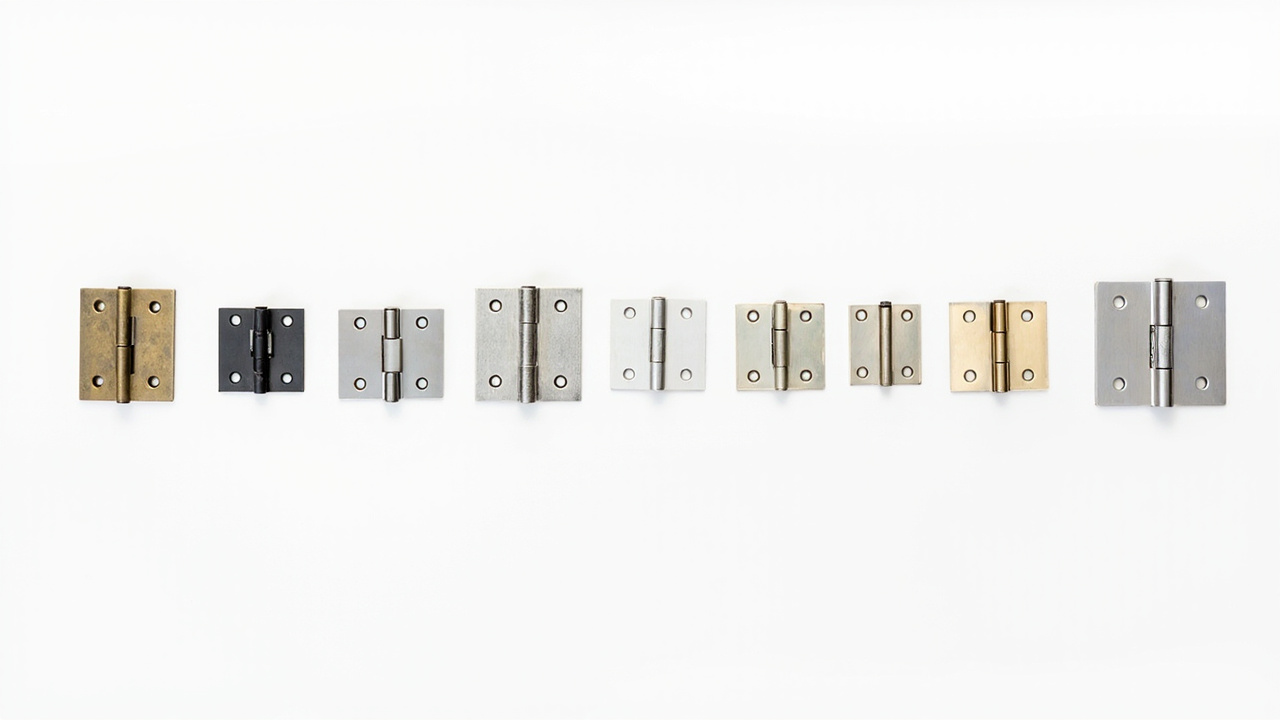
Hinges and door closers carry the full weight of the door and control the closing action, and on a fire-rated door they are part of the certified assembly. For commercial doors, a heavy-duty stainless steel butt hinge with ball bearings and a minimum thickness of 3 millimetres is the baseline; a lift-off hinge speeds installation and maintenance. A door closer, whether overhead surface-mounted or concealed in the frame, should be sized to the door weight and opening width and tested to at least one million cycles. The critical specification for commercial and hotel work is fire certification: a fire-rated door assembly only holds its rating when the lock, hinges and closer are all fire-rated to the same standard, typically EN 1634 or UL 10C for 30, 60 or 90 minutes. A factory that can supply all three components with matching fire certificates from the same test laboratory is a fundamentally different supplier from one that ships a mix of uncertified parts.
Keying systems, master keys and the project pack
For any project with more than ten doors, the keying system is what makes the building manageable. Ask the factory about the master key system architecture: a master key opens every door, a sub-master opens a floor or a wing, and an individual key opens one door only. The better factories will work with you on a key schedule that matches the building plan, cut the keys in the factory, and deliver the cylinders pinned and tagged to the schedule. For hotel work, ask whether the factory supplies a construction key that is invalidated once the project keys are issued, a common security measure that stops construction workers from copying the working key. Finally, insist on a full project pack: a finish sample of each trim, a key schedule, an installation template for the lock mortise, and a maintenance guide for the building operator. A factory that delivers this pack is a lower risk on a multi-door project than one that ships a box of locks with a single page of instructions.
The right door hardware manufacturer for a project is the one whose lock body, trim material, fire certification and keying system match the building use and the maintenance regime. The ten factories in this category cover the spectrum from high-volume zinc-alloy residential suppliers to stainless-steel commercial and fire-rated specialists, so the buyer job is to match the project use to the factory specialism, then spend a few hundred dollars on a finish sample and a cycle-test report before the bulk order.