





Top 10 Door and Window Suppliers in China: Aluminum, Steel and Security
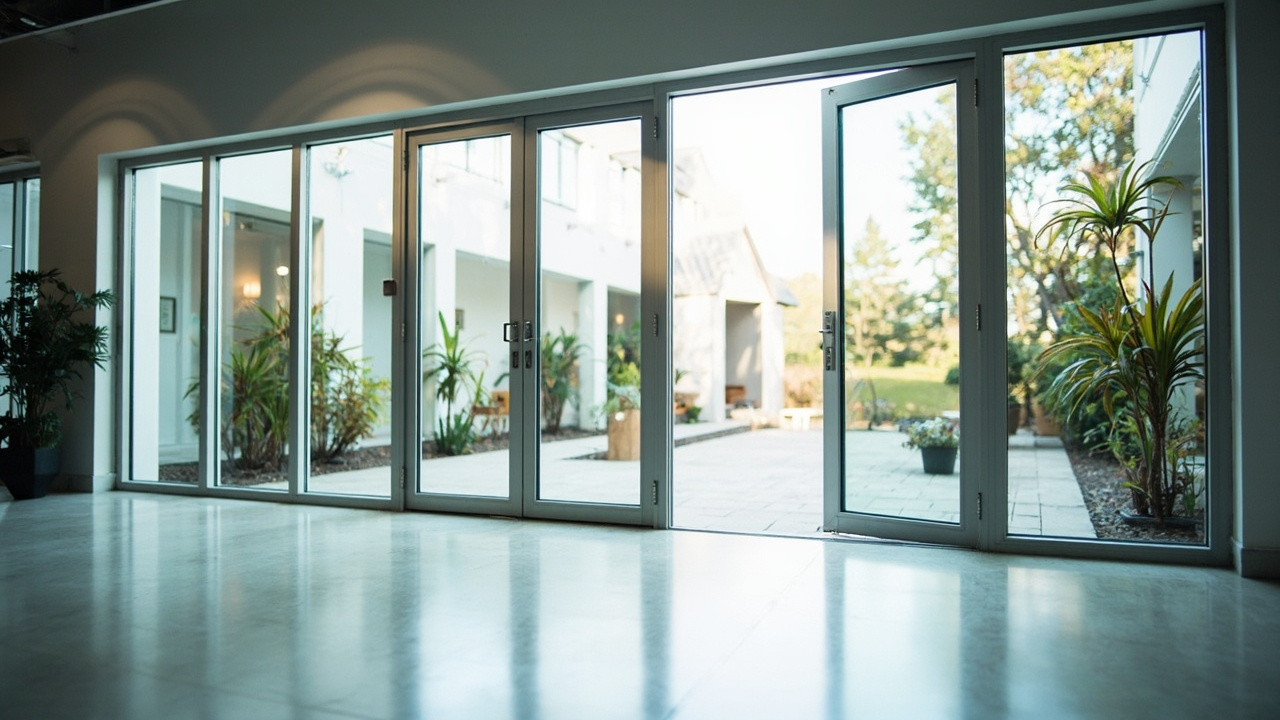
Doors and windows are the slowest-failing and most expensive-to-replace components in any building. A wall tile can be re-laid in an afternoon; a window installed in a high-rise wall must be right the day it goes in, because replacing it means scaffolding the whole facade. This is why qualifying a Chinese door and window supplier on engineering, not on price or brand, is the most leveraged due diligence in a building materials order.
1. Aluminium profile wall thickness
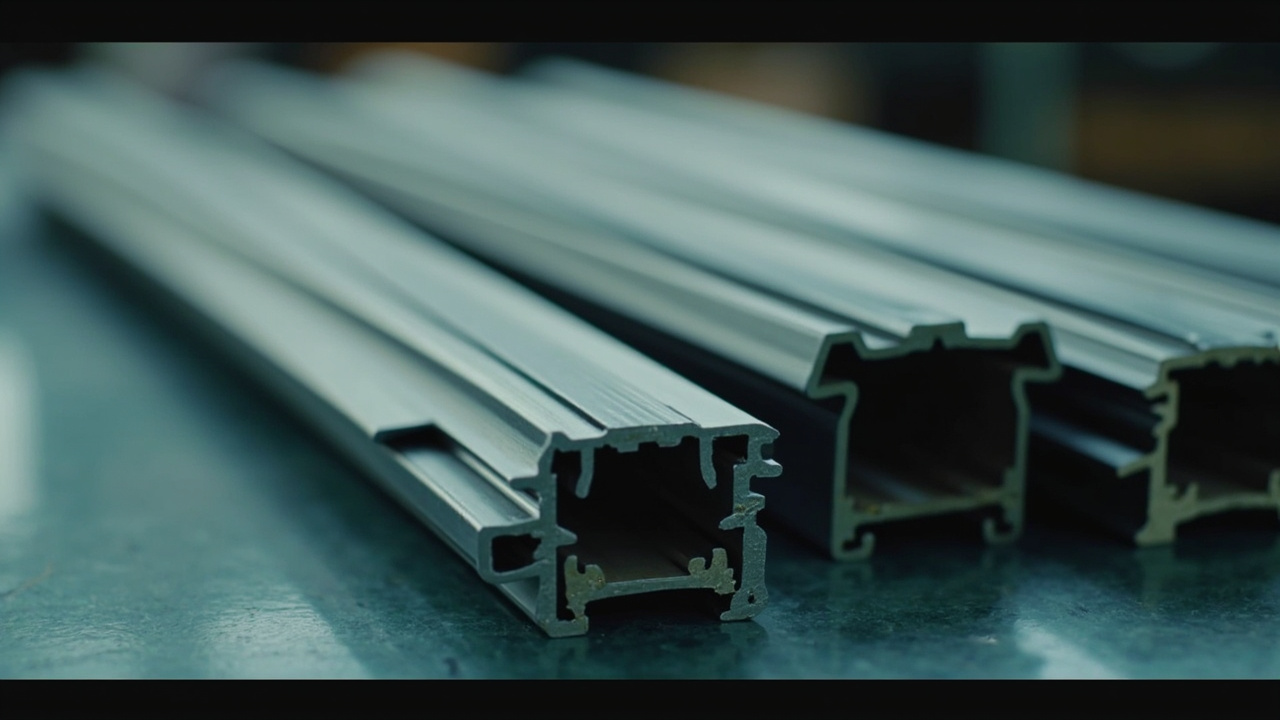
The single most important number on an aluminium window is the main profile wall thickness. For exterior windows, 1.4 mm is the minimum acceptable; premium windows run 1.6 to 2.0 mm. Thinner profiles save money upfront and flex in the wind, breaking the seal and eventually the glass. Ask the factory to specify the wall thickness per profile series, and verify it on a cut sample with a calliper.
2. Thermal break technology
A thermal break is a polyamide strip inserted between the inside and outside aluminium profiles to stop heat flowing through the frame. Without it, aluminium windows sweat condensation in cold climates and bleed air-conditioning in hot ones. A proper thermal break window uses a 14.8 mm or wider polyamide strip with the aluminium mechanically crimped to it, not glued.
3. Double versus single glazing and argon fill
Single glazing is unacceptable in any export-grade window. Standard is double glazing — two panes with a 9, 12 or 16 mm air gap, expressed as 5+9A+5 or 5+12A+5. Filling that gap with argon instead of air improves insulation by roughly 15 percent for a marginal cost. Low-E coating on one inner face reflects radiant heat and is essential for sun-exposed facades.
4. Hardware: imported versus domestic
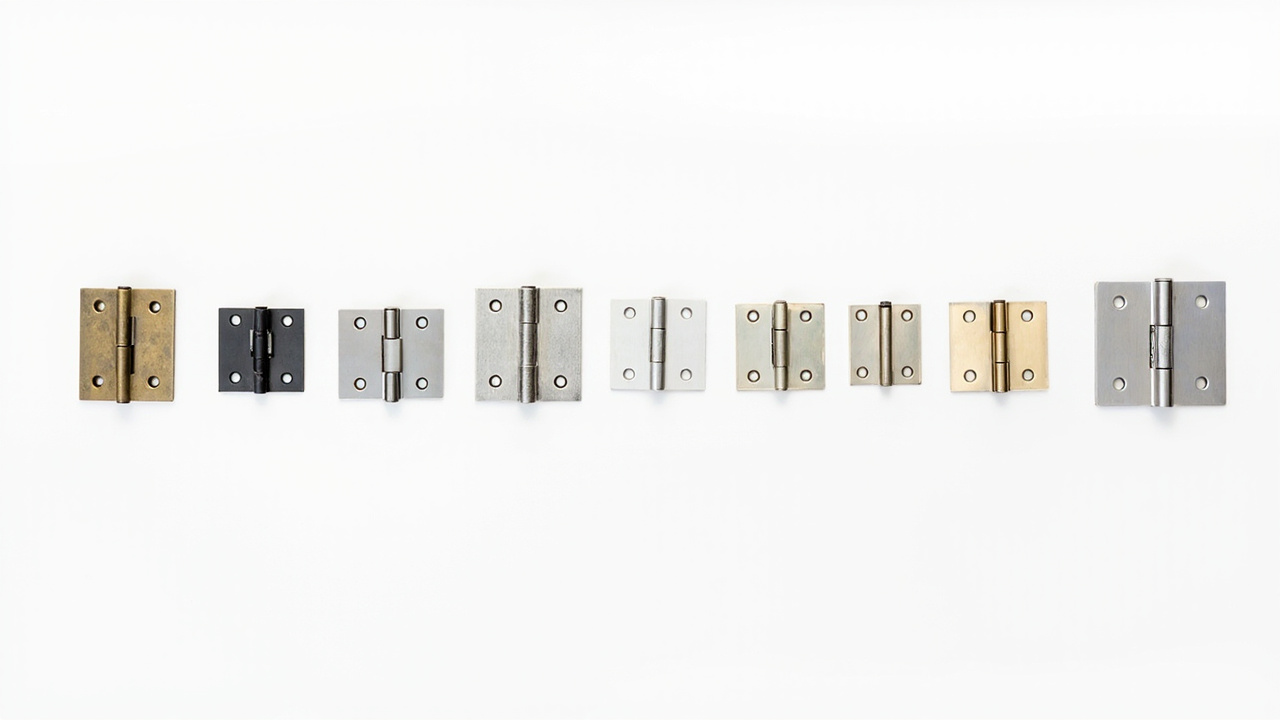
The hinges, handles and multi-point locks decide how a window feels and how long it lasts. Chinese-origin hardware has improved dramatically, but for premium projects, specifying a European multi-point lock and friction stay gives the end customer confidence and a clearly longer service interval. The cost premium is 8 to 15 percent for hardware that outlasts the frame.
5. Weather stripping quality
The weather strip is a continuous rubber or silicone gasket compressed between sash and frame. Its quality decides air leakage, which decides energy bills. Ask for a continuous extruded gasket (not joined corners), a compression deflection test result, and a UV ageing test. A gasket that hardens in three years turns a premium window into a drafty one.
6. Steel security door gauge and core
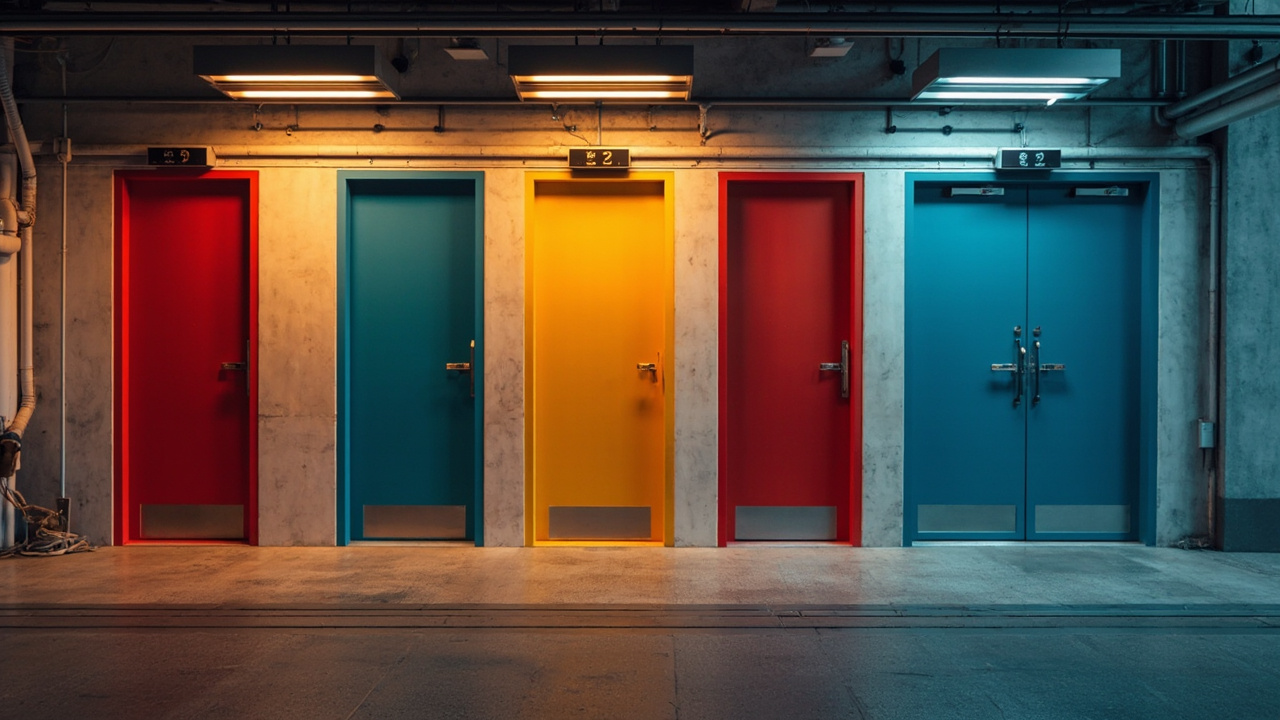
For steel security doors, the door leaf skin should be 0.8 mm minimum steel on each face, with a reinforced inner structure of vertical steel ribs. The door frame steel should be 1.5 mm or thicker. The core fill — honeycomb paper, mineral wool or polyurethane — decides fire rating, sound insulation and weight. Mineral wool cores earn fire ratings; paper honeycomb does not.
7. Lock and cylinder grade
A security door is only as good as its lock. Ask for a lock cylinder rated to EN 1303 Grade 6 or higher (anti-drill, anti-pick, anti-bump). A multi-point lock that throws three or more bolts when the handle is lifted resists prying far better than a single deadbolt. For export to Europe and the Gulf, these specifications are increasingly mandated.
8. Surface finish durability
Aluminium windows are finished in powder coating or anodising. A premium powder coat is a minimum 60 microns thick with a Qualicoat or GSB approved process, capable of passing a 10-year Florida outdoor weathering equivalent. Anodised finishes should be at least 15 microns for exterior use. Without these, finishes chalk and fade within a few tropical summers.
9. Certification: CE, AAMA, GCC
European CE marking under EN 14351, the AAMA gold label for North America, and the GCC certificate for the Gulf, each require physical testing of air, water and structural performance. Factories that carry all three have invested in test rigs and sample chambers, and can supply the test reports that your specifier will eventually ask for anyway.
10. Project references in comparable climates
A window that performs in Shanghai may not perform in Dubai or Toronto. Ask for two project references in a climate comparable to your destination, ideally ones three to five years old so any early-life failures would have surfaced. Call the building manager and ask one question: would they buy the same window again?
Doors and windows reward engineering-led qualification and punish price-led qualification, more than any other category. The premium for proper thickness, real thermal break, quality hardware and a tested finish is modest — usually 10 to 20 percent over a budget spec — and it is the difference between a building envelope that lasts a decade and one that becomes a recurring complaint.