





Top 10 Ceramic Raw Material Suppliers in China for 2026 Production
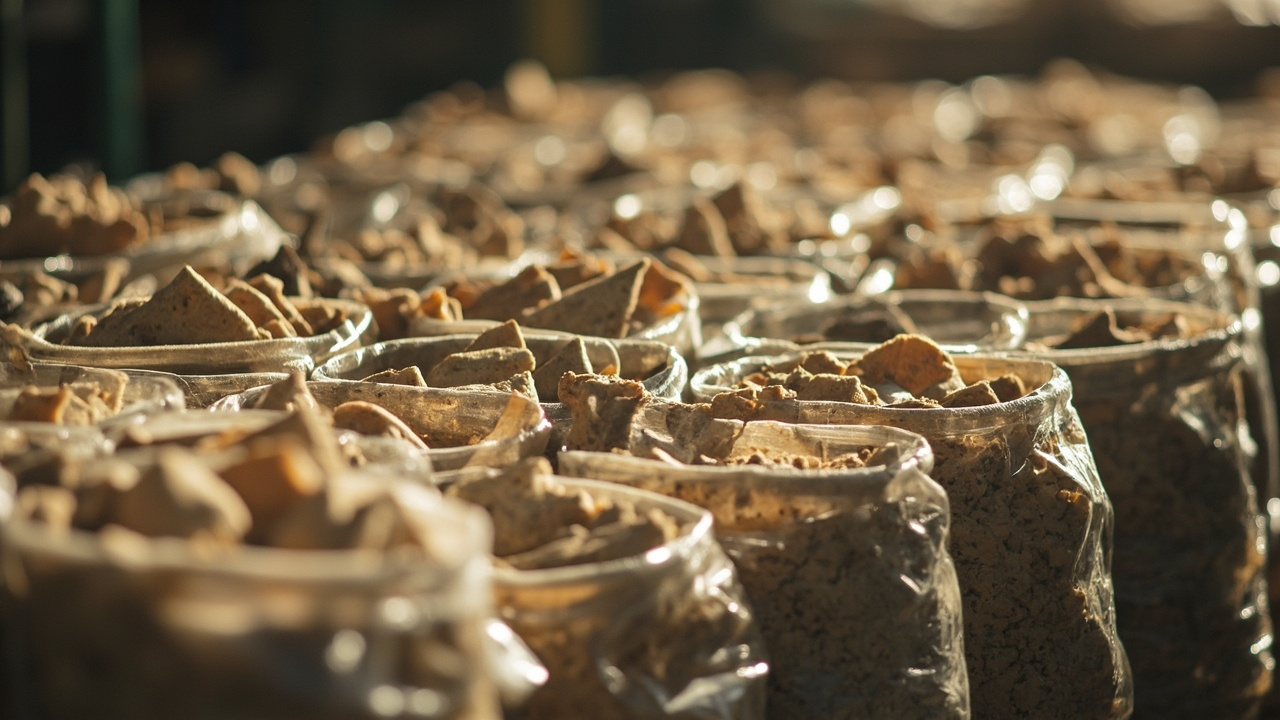
The quality of a finished ceramic tile or sanitaryware body is decided not on the kiln, but at the raw material warehouse, where kaolin purity, feldspar chemistry, quartz grain distribution and glaze pigment stability set the ceiling on what the production line can achieve. Chinese ceramic raw material suppliers, concentrated in Guangdong, Jiangxi, Shandong and Inner Mongolia, now supply kaolin, ball clay, feldspar, quartz, zirconium silicate and glaze pigments at industrial scale and at prices 30 to 50 percent below Western equivalents. This guide profiles ten suppliers worth meeting for a 2026 ceramic raw material sourcing project, and sets out the specifications — purity, particle size, color stability, supply continuity, MOQ and price — that protect the production line.
Why ceramic raw material rewards a chemistry-driven shortlist
Ceramic raw material is purchased against chemistry, not appearance. A kaolin with 35 percent alumina and 0.3 percent iron oxide behaves differently from one with 32 percent alumina and 0.8 percent iron oxide, and the difference shows up as fired color, body strength and glaze reactivity. The buyer who specifies required chemistry, particle size distribution, fired color tolerance and supply volume in writing — before requesting quotations — gets a quote that is directly comparable across suppliers. The buyer who buys on price alone gets a shipment that changes color between batches, and a six-month production headache. The four specifications that matter are chemical purity, particle size distribution, fired color stability and batch-to-batch consistency over the contract period.
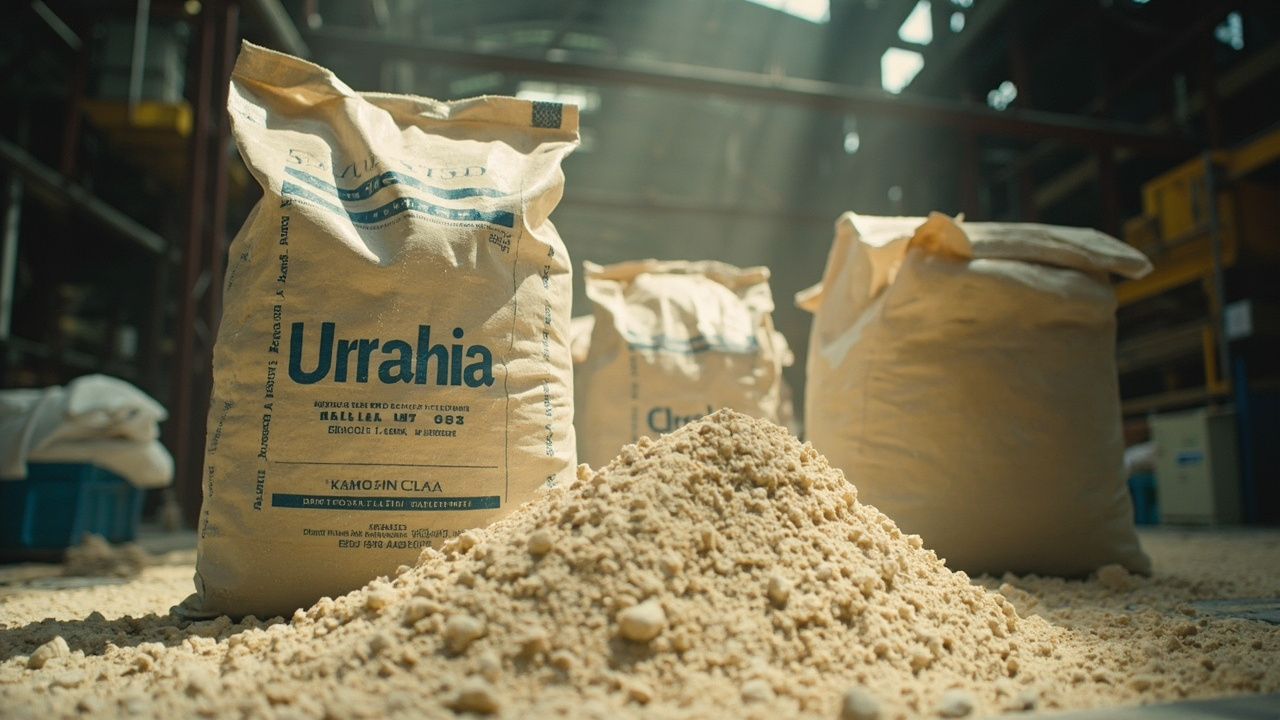
Ten suppliers worth shortlisting
The list mixes kaolin specialists with feldspar and quartz suppliers, glaze pigment makers and zirconium silicate processors. Match the supplier to the material the production line actually consumes.
1. Longyan Kaolin (Fujian) — Established kaolin and ball clay producer for whiteware and porcelain tile body, stable chemistry over decades.
2. China Kaolin (Jiangxi) — Large diversified kaolin supplier covering paper-grade and ceramic-grade clays, strong on consistent particle size.
3. Chaozhou Fengye (Guangdong) — Feldspar and quartz supplier for ceramic body and glaze, serving the Chaozhou sanitaryware cluster.
4. Imerys China (Shanghai) — Western-major subsidiary supplying high-purity kaolin and ball clay for premium ceramic and tableware lines.
5. Lianyungang Dongtai (Jiangsu) — High-purity quartz and silica flour supplier for technical ceramic and glaze applications.
6. Zibo Yingchuan (Shandong) — Feldspar, quartz and ceramic body minerals supplier serving the Zibo ceramic cluster.
7. Yixing Color Pigment (Jiangsu) — Inorganic glaze pigment maker for ceramic tile and tableware, strong on red, yellow and black pigments.
8. Astron Zirconium (Guangdong) — Zirconium silicate and opacifier supplier for ceramic glaze, with stable whiteness performance.
9. Inner Mongolia Huayu (Inner Mongolia) — Feldspar and quartz supplier for large-volume ceramic body production, rail-served for low freight.
10. Quanzhou Tianyu (Fujian) — Glaze frit, pigment and zirconium silicate supplier for ceramic tile glaze lines, focused on export.
Specifications that protect the order
Four specifications decide whether a raw material shipment is fit for the production line. First, chemical purity: confirm the certificate of analysis for alumina, silica, iron oxide, titanium oxide and alkali content, lot by lot, against the agreed tolerance. Second, particle size distribution: a kaolin for spray-dried body should pass 90 percent through 325 mesh, while a feldspar for glaze should pass 95 percent through 400 mesh. Third, fired color stability: request fired test tablets at the buyer s own firing temperature, measured against a reference standard, before the first order. Fourth, batch-to-batch consistency: confirm the supplier can hold chemistry within the agreed tolerance over a 12-month contract period, supported by a third-party lab certificate with each shipment.
MOQ, packaging and pricing reality
Ceramic raw material is sold by the ton, with MOQ typically one 20-ton FCL for kaolin, feldspar and quartz, and 1 to 5 tons for pigments and zirconium silicate. Typical 2026 export price ranges: ceramic-grade kaolin from 80 to 220 USD per ton; ball clay from 70 to 180 USD per ton; feldspar from 60 to 150 USD per ton; milled quartz flour from 130 to 320 USD per ton; zirconium silicate from 1,200 to 2,400 USD per ton; inorganic glaze pigments from 3,000 to 12,000 USD per ton depending on pigment type. Packaging is 25 kg or 50 kg woven or kraft bags, with 1-ton big bag or bulk shipment available for kaolin and feldspar. Payment terms are typically 30 percent deposit with the balance against bill of lading, and lead time is 15 to 30 days depending on stock and milling capacity.
Ceramic raw material is judged not by the price per ton but by the consistency of the fired product six months into a contract, when a chemistry drift shows up as a tile color that no longer matches the showroom sample. Specify chemistry, particle size, fired color tolerance and batch consistency in writing, request a certificate of analysis with every shipment, and audit the supplier laboratory before signing a long-term contract. The ten suppliers above, matched to the material the production line actually consumes, can deliver the chemistry and color stability that keep a ceramic factory running without the six-month color-correction headache.