





Top 10 Cement Board Manufacturers in China
Cement board is the hidden workhorse of both interior wet-area construction and exterior facade systems, used as a tile backer behind bathroom ceramic, a soffit under overhangs, a cladding substrate on rainscreen facades and a fire-rated partition in commercial builds. China has a mature cement board industry built around two product families, fibre cement board and calcium silicate board, both fully asbestos-free for export, and the gap between a board that lasts twenty years and one that warps and cracks in two is invisible until the first wet season. This guide covers the two product families, the specifications that decide performance, and the factory brief that delivers a board matched to the project use.
Fibre cement and calcium silicate, the two families
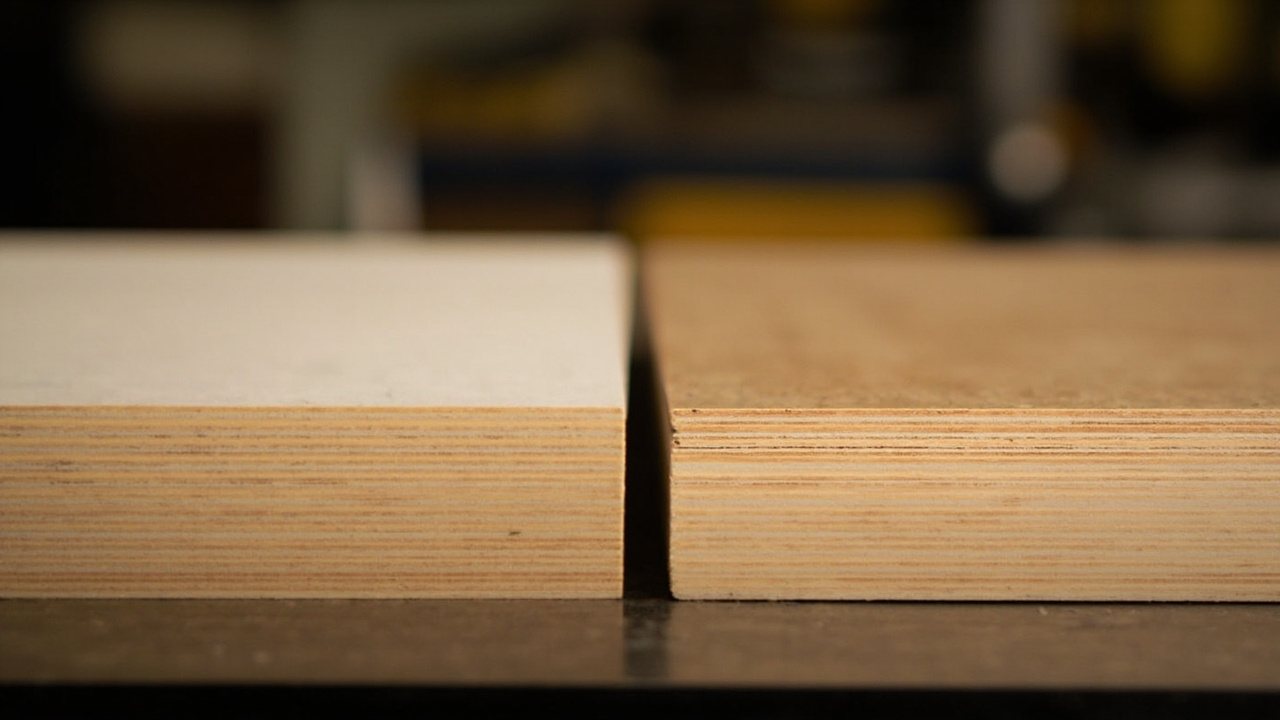
Fibre cement board, made from Portland cement, fine quartz sand, cellulose fibre and water, is the volume product and the default substrate for wet-area tile backing, soffits and interior partitions; it is tough, dimensionally stable, screw-fixable and workable on site with a carbide-tipped scoring knife. Specify the asbestos-free certification (mandatory for any serious export), the density (a medium-density board at 1.2 to 1.4 grams per cubic centimetre is the workhorse, while a low-density board at 0.9 is the lightweight pick for ceilings), and the surface grade (smooth for paint, textured for tile adhesive, primed for direct finish). Calcium silicate board, made from cement, sand, lime and reinforcing cellulose cured under high-temperature steam, is the higher-performance cousin: it is denser, harder, more dimensionally stable and reaches higher fire ratings, which is why it is the choice for fire-rated partitions, shaft walls and commercial kitchens. For most wet-area and facade projects, fibre cement is the right balance of cost and performance; for fire-rated and high-temperature applications, calcium silicate earns its premium.
Thickness, density and the moisture-resistance number
The three specifications that decide whether a cement board survives are the thickness, the density and the water absorption, and a buyer who looks only at the price per sheet ends up repainting early. The thickness sets both the strength and the application: 6 to 8 millimetres is the standard for interior partitions and ceilings, 9 to 12 millimetres is the standard for tile backing in wet areas where the board carries the weight of the tile and the grout, and 12 to 18 millimetres is the standard for exterior cladding and facade substrates where wind load and impact resistance matter. The density sets the screw pull-out strength and the impact resistance; a denser board at 1.3 to 1.5 grams per cubic centimetre holds a screw better, resists a hammer blow, and is the right pick for high-traffic walls, while a lighter board at 1.0 to 1.2 is adequate for ceilings and partitions. The water absorption, expressed as a percentage by weight after a 24-hour soak, is the single best proxy for moisture resistance; a project-grade board sits below 25 percent, a premium wet-area board sits below 18 percent, and a board that exceeds 35 percent will swell, warp and crack in a wet season.
Fire rating, thermal movement and the test report
Fire rating and thermal movement are the two specifications that separate a facade-grade board from an interior one, and they are non-negotiable for commercial and high-rise work. The fire rating, expressed in minutes of fire resistance (60, 90 or 120 minutes) for a full partition assembly, requires a non-combustible board plus the right stud gauge and the right joint treatment, and calcium silicate reaches a higher rating than fibre cement at the same thickness, which is why it is the choice for fire-rated shaft walls. The thermal movement, expressed as the coefficient of expansion, decides whether a facade board cracks along the joint; fibre cement moves with heat and humidity, so a facade installation must include the proper movement joint at every board intersection and the right screw pattern, and a factory that supplies the joint detail in writing is the one that has done facade work before. Ask for the test report for the fire rating (GB, EN or ASTM), the water absorption, the density and the bending strength; a serious factory holds the full report pack and ships it with the order, and a factory that quotes a rating without the report is one to avoid.
Production capacity, MOQ and the order
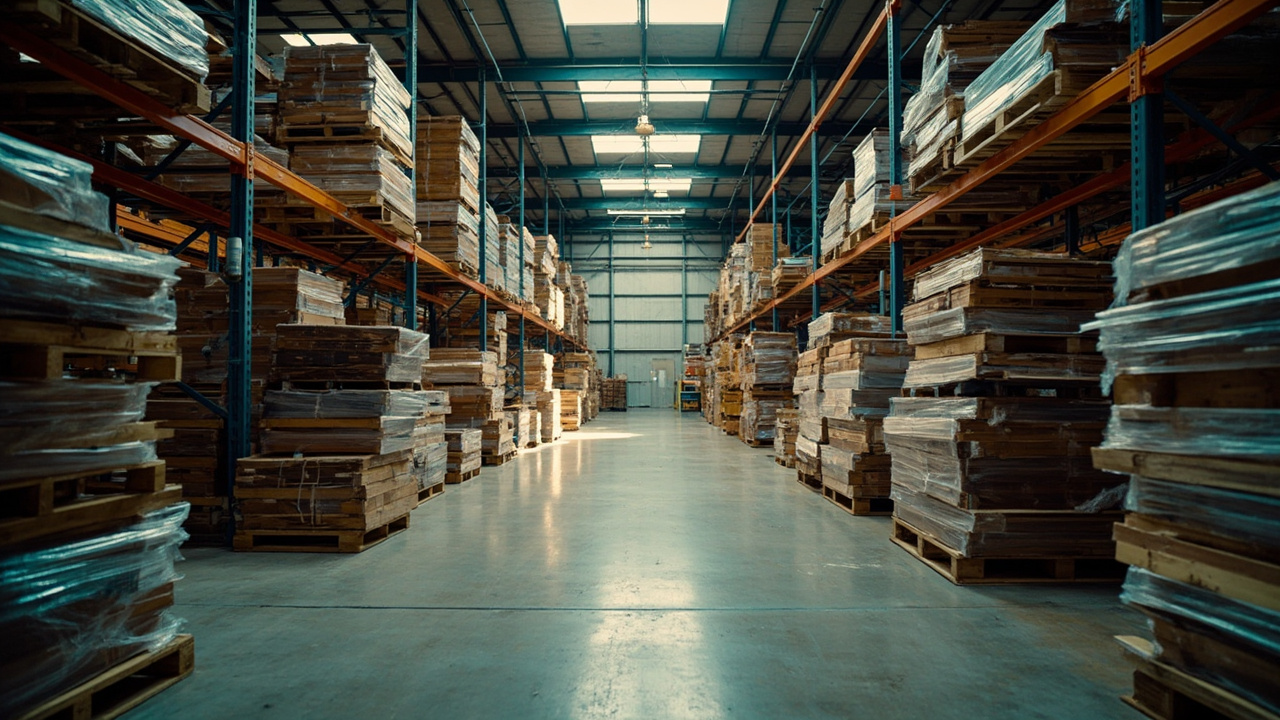
Send your shortlisted three factories the same brief: the project type (residential, hospitality, commercial, industrial), the application (interior partition, wet-area tile backer, ceiling, facade cladding, fire-rated wall, soffit), the exposure (dry interior, wet interior, sheltered exterior, full exterior), the required fire rating, the required thickness and the project area in square metres. Ask for a paid sample of three full sheets, one at each thickness grade, plus the test report pack and the dimension tolerances. When the sample arrives, check four things: the dimension accuracy against the nominal size, the edge quality (clean cut or crumbled), the screw pull-out by driving a screw and hanging a weight, and the water absorption by soaking a small offcut for 24 hours and weighing it before and after. Negotiate on the packing and the cut-to-size service: a factory that ships boards on edge in a timber crate, offers a cut-to-size service to the project dimensions, and supplies the matching fibre mesh tape and the alkali-resistant primer saves the installer days on a large facade and stops the cracked joints that come from a board cut with the wrong tool on site.
The right cement board manufacturer for a project is the one whose product family, thickness, density and fire rating match the project use, validated by a test report pack and a paid sample. The ten factories in this category cover the full spectrum from volume fibre cement for interior work to premium calcium silicate for fire-rated and facade work, so the buyer job is to match the application and the exposure to the factory specialism, then confirm the board with a soak test and a screw test before the bulk order.