





Top 10 Ceiling Material Manufacturers in China for Project Buyers
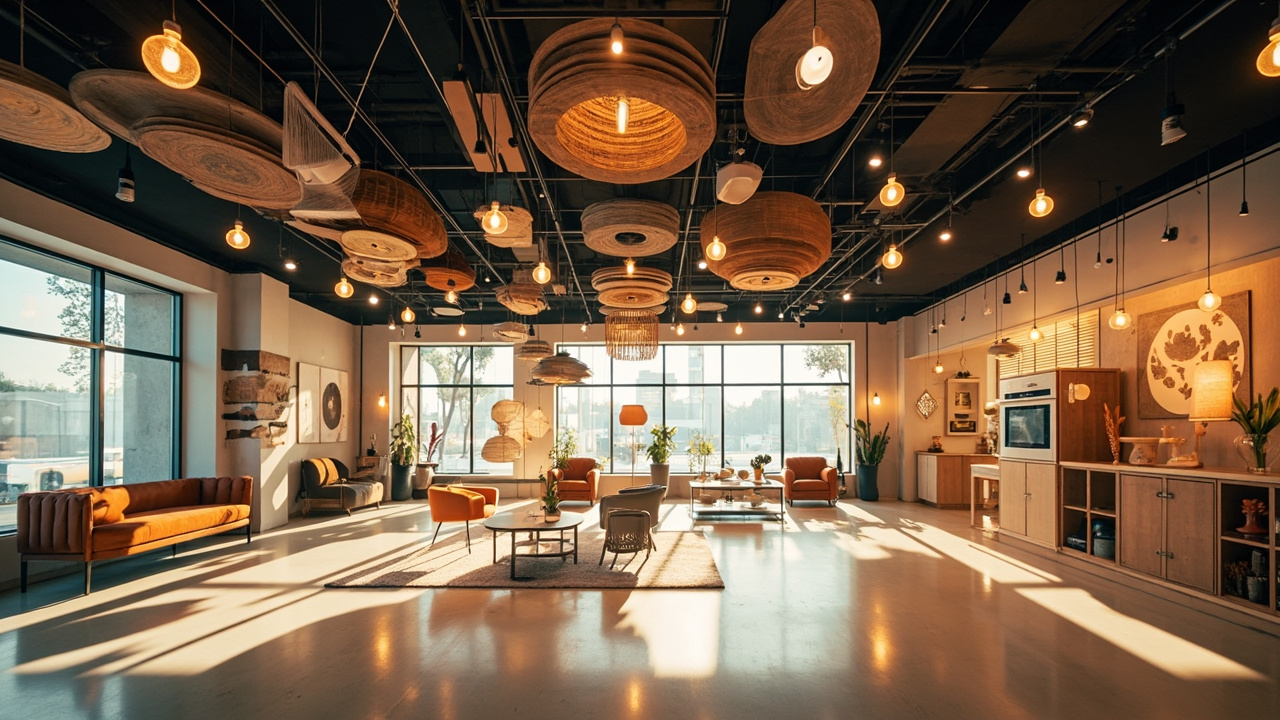
The ceiling is the surface a project occupant rarely looks at directly, yet it does most of the acoustic, fire and moisture work that makes a space feel finished. A sagging mineral fibre tile in a humid bathroom, a noisy aluminium strip ceiling in a hotel corridor, or a flaking gypsum board above a kitchen line will drag down the perceived quality of the whole room. This guide profiles ten Chinese ceiling material manufacturers worth meeting for project work, and explains the panel and grid choices that separate a ten-year ceiling from one that needs replacement in year three.
Why ceiling sourcing rewards performance-led specification
Chinese ceiling material producers cluster in Guangzhou, Jiaxing, Changzhou and Dongguan, and now cover every panel type a project could need: mineral fibre acoustic tiles for offices and hotels, aluminium strip ceilings for corridors and retail, PVC and calcium silicate panels for humid zones, gypsum board and access panels for residential ceilings, and wood-slat acoustic ceilings for lobbies and auditoria. The cost gap against European or American contract brands typically runs 50 to 70 percent at equivalent visual quality, and Chinese makers now publish the same fire, acoustic and formaldehyde test certificates the specifiers ask for. The decisive trick is matching panel material to the room environment: mineral fibre for offices, aluminium strip for corridors, calcium silicate for wet areas, and wood-slat for acoustic statement ceilings.
Ten manufacturers worth shortlisting
The list mixes large multi-material groups with focused specialists. Match the supplier to the panel material and the room environment — few factories excel at every ceiling type.
1. OupiYuan (Guangzhou) — Large mineral fibre ceiling tile producer with deep range of edge details, strong for hotel and office suspended ceilings.
2. Aolante (Jiaxing) — Aluminium strip ceiling specialist for corridors, retail and lift lobbies, with reliable 100 mm or 200 mm bays.
3. Lucas (Changzhou) — PVC ceiling panel producer for humid zones, suitable for kitchens, laundries and swimming pool changing rooms.
4. Taishan Gypsum — National-scale gypsum board producer with strong fire-rated and moisture-resistant lines for residential and hotel ceilings.
5. Sandao Acoustic (Dongguan) — Wood-slat acoustic ceiling specialist with felt backing, popular in lobbies, auditoria and conference halls.
6. Walan Ceiling (Foshan) — Calcium silicate ceiling panel producer, suited to kitchens, plant rooms and underground car parks.
7. HeroMetal (Guangzhou) — Aluminium clip-in and lay-in tile producer for clean rooms, hospitals and food processing ceilings.
8. Bonny Acoustic — PET felt ceiling panel producer with deep colour range, suited to classrooms and open plan offices.
9. Yilong Decoration (Nanjing) — Stretch ceiling (PVC film) producer for feature ceilings, suitable for pools, spa and reception ceilings.
10. Sunico (Shanghai) — Mid-range producer of mineral fibre and gypsum ceiling tiles at competitive pricing, suited to budget hotel programmes.
Specifications that protect the order
Five engineering details separate a project-grade ceiling from a retail one. First, the fire rating: mineral fibre and calcium silicate panels should meet Class A1 or A2 to EN 13501; aluminium is naturally non-combustible. Second, the acoustic rating: mineral fibre tiles should publish Noise Reduction Coefficient of 0.50 to 0.70 and wood-slat panels with felt backing of 0.60 to 0.85. Third, the moisture resistance: ceiling tiles for wet areas should not sag above 90 percent relative humidity, with PVC, calcium silicate and aluminium the safe choices. Fourth, the grid: T-grid for lay-in tiles should be 0.3 mm steel minimum, with 24 mm or 15 mm face; aluminium strip ceiling carrier should be 0.4 mm minimum. Fifth, the formaldehyde emission: ceiling panels should be E0 or E1 to EN 717, with test certificate available on request.
MOQ, packaging and pricing reality
Ceiling material MOQ is genuinely flexible for many factories: mineral fibre tiles often have MOQ of 200 to 500 square metres, aluminium strip ceilings 200 to 500 square metres, PVC panels 500 linear metres, and gypsum board ships in full container loads. Production lead time is 15 to 25 days for stock panels and 25 to 35 days for custom colours or perforation patterns. Tiles ship in cartons on pallets, aluminium strip ceilings in bundles protected by cardboard, and wood-slat panels in timber crates. Expect FOB pricing of roughly USD 3 to 8 per square metre for mineral fibre tiles, USD 8 to 18 per square metre for aluminium strip ceilings, USD 2 to 5 per square metre for PVC ceiling panels, USD 25 to 60 per square metre for wood-slat acoustic ceilings, and USD 0.40 to 0.90 per linear metre for ceiling T-grid. Always confirm whether the quoted price includes the grid and accessories, since a tile-only price can mislead a budget.
A ceiling is judged not when it is first installed, but in year five, when a cheaper tile would already be sagging or stained. Specify the panel by fire, acoustic and moisture rating, request a test certificate, and inspect the first pallet in person before the balance ships. With that discipline, the ten manufacturers above can deliver ceilings that stay flat, quiet and code-compliant for the full warranty period, instead of becoming the most complained-about surface in the building.