





Top 10 Building Glass Manufacturers in China for Project Buyers
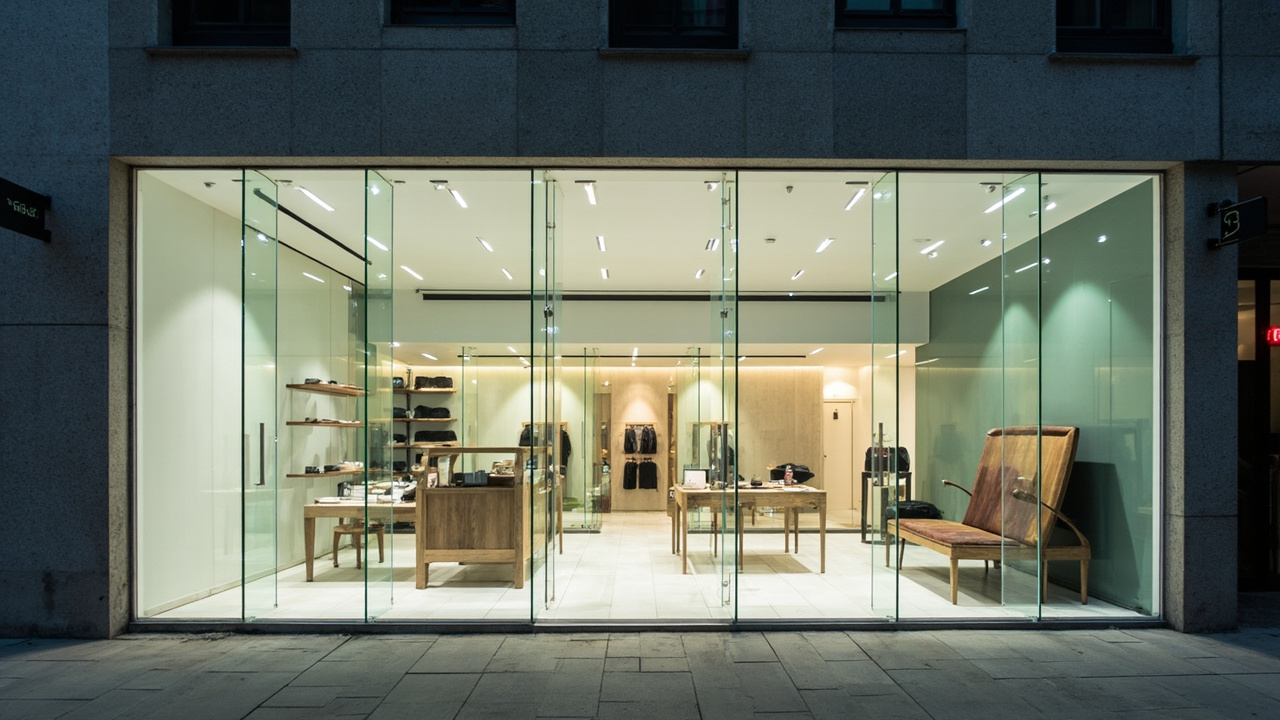
Building glass is the skin of any modern commercial or residential project, and the single material most likely to decide whether a facade performs on heat, sound, safety and appearance over a twenty-year service life. A wrong thickness spec on a curtain wall, a soft Low-E coating on a seaside tower, or a mismatched insulated unit on a hotel window will produce expensive callbacks within the first warranty year. This guide profiles ten Chinese building glass manufacturers worth meeting for project work, and explains the type, thickness and coating choices that separate a code-compliant facade from a problematic one.
Why glass sourcing rewards type-led specification
Chinese building glass producers cluster in Shahe, Jiangmen, Qinghuangdao and Shanghai, and now cover every glass type a project could need: clear and tinted float glass in jumbo sizes, heat-strengthened and fully tempered safety glass, PVB and SGP laminated glass for facades and balustrades, double and triple insulated glass units for energy efficiency, and Low-E coated glass for solar control. The cost gap against European or American contract brands typically runs 30 to 50 percent at equivalent specification, and Chinese makers now publish the same EN 12150, EN 14449 and EN 1279 test certificates that specifiers ask for. The decisive trick is matching glass type to application: tempered for safety, laminated for overhead and balustrades, insulated for thermal performance, Low-E for solar control.
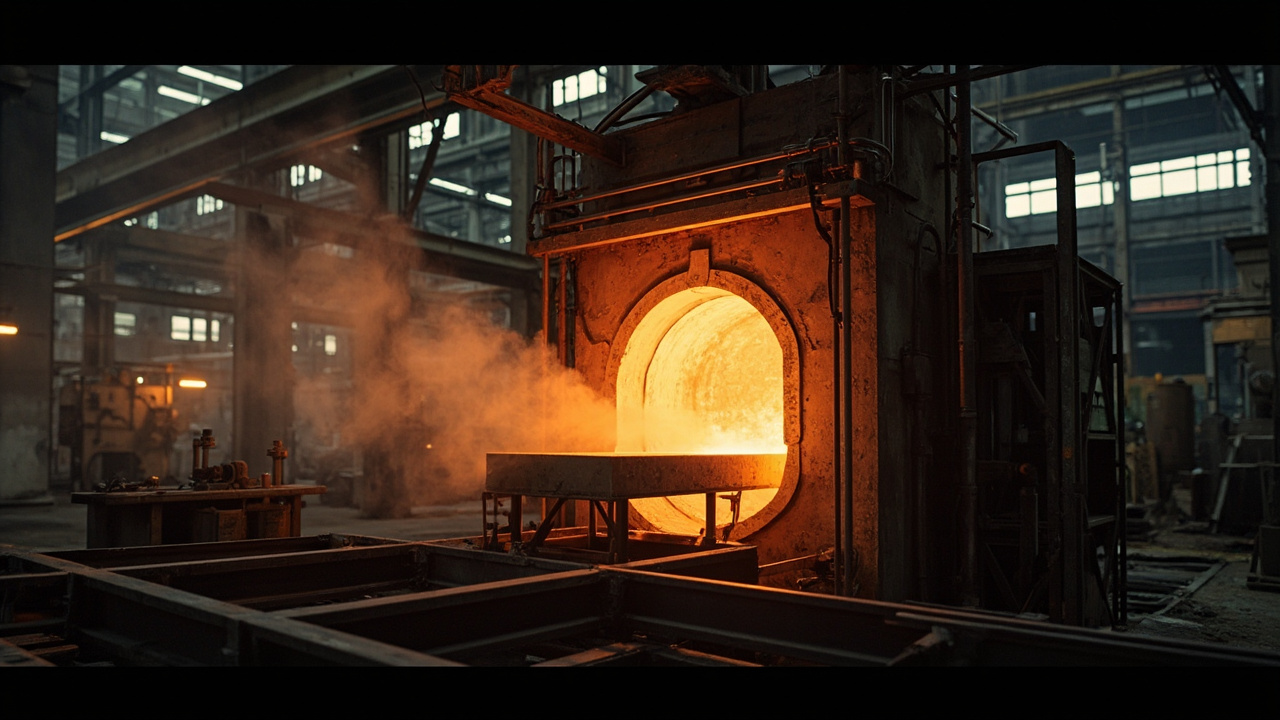
Ten manufacturers worth shortlisting
The list mixes large integrated glass groups with focused processors. Match the supplier to the glass type and the project scale — few factories excel at every type at the same time.
1. CSG Holding (Shenzhen) — Integrated glass group with full range from float to Low-E to insulated units, strong for large commercial and hotel tower projects.
2. Xinyi Glass (Hong Kong) — Listed glass group producing float, architectural and automotive glass, reliable for chain hotel specifications.
3. Yaopi Glass (Shanghai) — Strong on laminated and tempered architectural glass for facade and balustrade work, suited to mixed-use and residential.
4. Jinjing Group (Shandong) — Float glass and Low-E coated glass producer with jumbo 3300 by 13000 slab capacity, suited to large commercial facades.
5. Zhongli Glass (Jiangmen) — Insulated glass unit specialist with reliable argon fill and desiccant performance, popular in hotel and apartment programmes.
6. Bosen Glass (Shahe) — Volume tempered glass processor for doors, partitions and shower enclosures, suited to mid-range hospitality.
7. Liaoyuan Glass (Qinhuangdao) — Curved tempered and heat-bent glass specialist for feature facades, suited to landmark commercial and hotel work.
8. G-Crystal Glass (Guangxi) — Patterned and tinted architectural glass producer for design-led facades and interior feature walls.
9. Sanxin Glass (Shenzhen) — Mid-range processor of laminated safety glass with reliable PVB interlayer, suited to balustrades and skylights.
10. Lirui Glass (Shahe) — Float and coated glass supplier with competitive pricing for budget hotel and residential window programmes.
Specifications that protect the order
Five engineering details separate a project-grade glass order from a retail one. First, the thickness: 5 mm and 6 mm for residential windows, 8 to 12 mm for commercial facades, 12 to 19 mm for balustrades and skylights. Second, the safety: fully tempered glass is roughly four times stronger than annealed and crumbles safely when broken; laminated glass with 0.76 mm PVB or 1.52 mm SGP interlayer holds together when broken and is mandatory for overhead glazing. Third, the insulated unit: double glazed with 12 to 16 mm air or argon gap gives U-value of 1.6 to 1.8 W/m2K; triple glazed reaches 0.8 to 1.0 W/m2K. Fourth, the Low-E coating: single-silver Low-E for general use, double-silver for hot climates, triple-silver for premium performance; ask for the coating to be on the second surface of the insulated unit. Fifth, the seal: insulated units should use dual seal of butyl primary and polysulfide secondary, with EN 1279 dew point test certificate.
MOQ, packaging and pricing reality
Building glass MOQ is genuinely flexible for many factories: stock float and tempered glass often have MOQ of one or two crates (around 100 to 400 square metres), custom insulated units 100 to 500 square metres, and Low-E coated glass 200 to 1000 square metres. Production lead time is 7 to 15 days for stock tempered glass, 15 to 25 days for insulated units, and 20 to 35 days for Low-E coated or laminated products. Glass ships in A-frame timber or steel crates, with the surface separated by powder or cork pads, typically two to four crates per 20-foot container. Expect FOB pricing of roughly USD 4 to 9 per square metre for 5 to 6 mm clear float glass, USD 10 to 22 per square metre for 8 to 12 mm tempered glass, USD 25 to 55 per square metre for double insulated units, USD 35 to 75 per square metre for double insulated Low-E units, and USD 60 to 130 per square metre for laminated safety glass. Always confirm whether the quoted price includes crate and desiccant, since these add-ons can shift landed cost.
Building glass is judged not on the day the facade is glazed, but in year three, when a wrong specification would already be producing seal failures or coating blemishes. Specify the glass by type, thickness and coating, request the EN test certificates, and inspect the first crate in person before the balance ships. With that discipline, the ten manufacturers above can deliver glass that stays transparent, sealed and safe for the full warranty period, instead of becoming the most complained-about material in the building.