





Top 10 Bathtub Manufacturers in China: Acrylic and Stone Resin

A bathtub is the visual centrepiece of a hotel bathroom or a master ensuite, and it is also one of the most fragile items in a building materials shipment. China makes the largest share of the world supply across all three main material families, acrylic, stone resin and cast iron, and the quality spread between factories is wide. This guide explains how to read a bathtub specification, what separates a project-grade factory from a budget one, and how to brief a shortlisted supplier so your container arrives without cracks.
Acrylic, stone resin and cast iron, and what each is good for
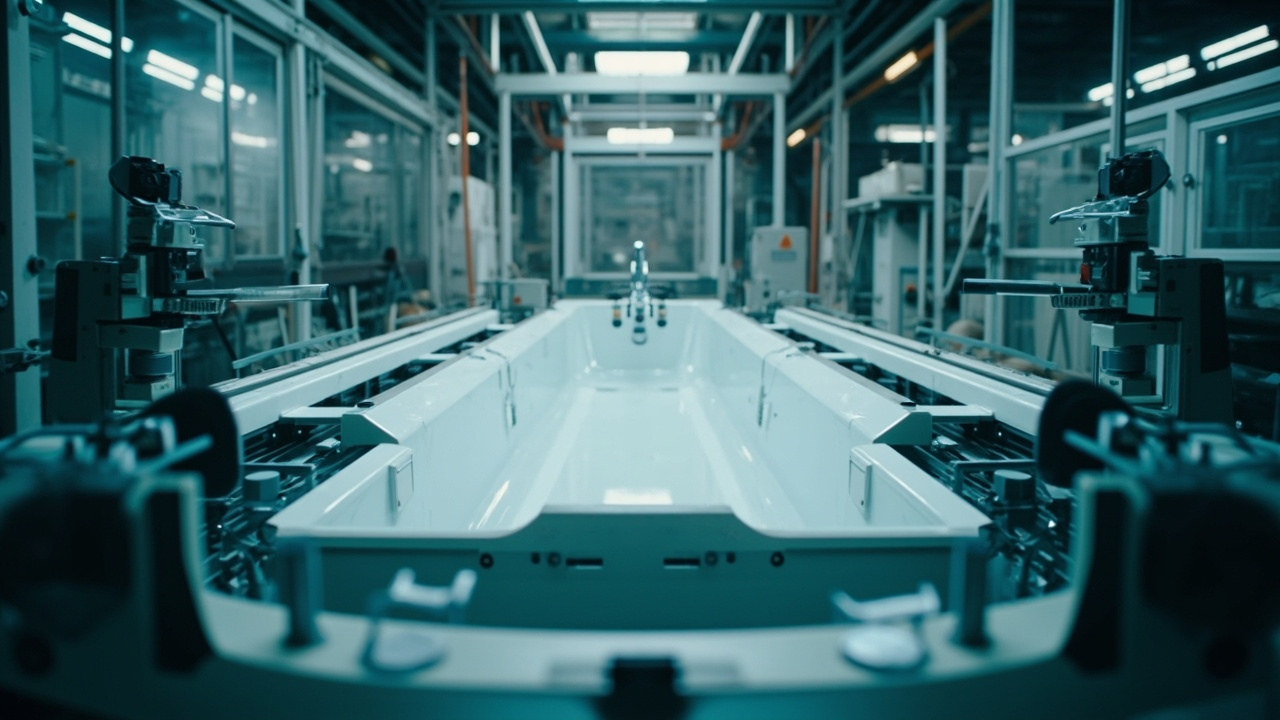
Acrylic bathtubs are vacuum-formed from a single sheet of polymethyl methacrylate over a reinforcing layer of fibreglass and resin. They are light, warm to the touch and available in the widest range of organic freestanding shapes, which is why they dominate hotel projects. The key specification questions are the sheet thickness, where 4mm is entry-level, 6mm is mid-range and 8mm or above is premium, and the reinforcement schedule, which should include a steel frame under the base and wooden or steel battens along the rim for rigidity. Stone resin bathtubs, cast from a mix of crushed stone and polyester resin, are heavier, denser and hold heat longer than acrylic, and are the choice for high-end residential and spa work; ask for the stone content percentage, typically 70 to 85 percent, and the gel-coat thickness. Cast iron bathtubs, with a vitreous enamel interior, are the traditional premium option, virtually indestructible but very heavy, often requiring a reinforced floor; specify the enamel coat layers and the firing temperature for colour consistency.
Freestanding versus built-in and the shape question
The bathtub shape is not just an aesthetic decision; it dictates the plumbing layout and the floor structure. A freestanding tub, whether oval, slipper or modern rectangular, sits clear of the walls and needs a floor-mounted or freestanding filler, plus access space on at least two sides for cleaning. A built-in or drop-in tub sits in a tiled or stone deck and uses a rim-mounted or deck-mounted filler, which hides the plumbing but commits you to a fixed position. For a hotel project, a back-to-wall freestanding tub combines the visual appeal of a freestanding unit with a single clean plumbing wall, and has become the most-specified hotel shape of the past five years. Confirm the drain position, centre, offset left or offset right, against the plumbing drawing before you place the order, because a wrong drain position is the single most common cause of site rework.
Reinforcement, drain hardware and finish quality
The hidden quality of a bathtub sits in three places buyers rarely check. First, the base reinforcement: a project-grade tub has a steel or stainless steel cradle bolted under the floor, which stops the base flexing under a 150-kilogram bather. Second, the drain hardware: a good factory supplies a brass or stainless pop-up waste with an overflow, not a plastic twist plug, and tests the seal under a 24-hour water load before packing. Third, the surface finish: on an acrylic tub the inside surface should be uniform high-gloss with no waviness from the forming mould; on a stone resin tub the gel-coat should be free of pinholes and the edges should be hand-polished; on a cast iron tub the enamel should be uniform with no exposed metal at the rim. A factory that lets you inspect these three points on a paid sample is a different tier of supplier from one that only sends a glossy brochure.
Packing: where the savings disappear
More bathtubs arrive broken than arrive with a manufacturing defect, and the difference is almost always packing. A serious factory builds a custom corrugated crate for each tub, with foam corner blocks, a shaped foam insert under the rim, a top sheet of honeycomb board, and the whole unit strapped to a wooden pallet. Cheap quotes wrap the tub in a thin foam bag inside a single-wall carton, which survives a cushioned domestic truck ride but cannot handle three weeks at sea and the rough handling at the destination port. Insist on ISPM-15 heat-treated pallets if your country requires them, and add a breakage clause to the purchase order: any tub cracked on arrival beyond a pre-agreed tolerance, usually one or two percent, is replaced free of charge on the next shipment. Asking the factory to include a five-percent spare in the order is almost always cheaper than paying top-up freight for a few broken tubs, especially for a custom colour.
The right bathtub manufacturer for a project is the one whose material, shape range and packing method match the destination environment and the installer expectations. The ten factories in this category cover the full spectrum, from high-volume acrylic hotel suppliers to boutique stone resin and cast iron specialists, so the buyer job is to match the specification to the use, pay for a sample, and run a packing audit before the full container commitment.