





Top 10 Aluminum Window Profile Factories in China
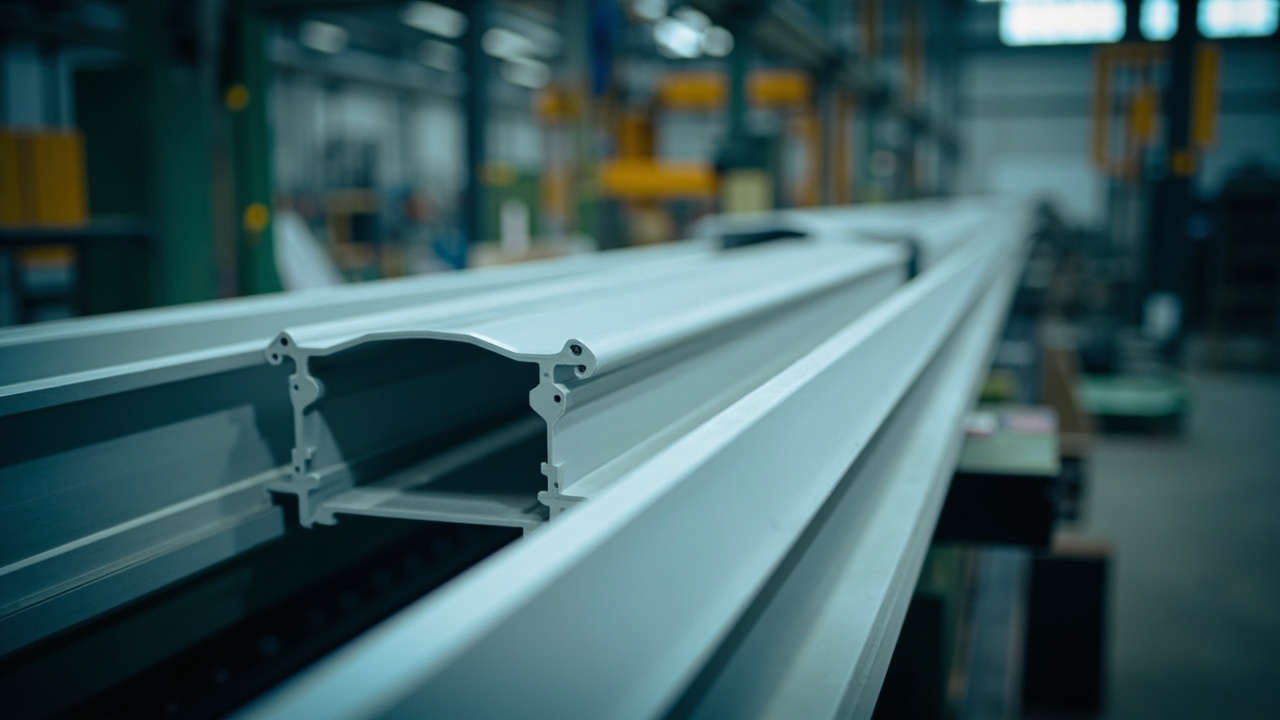
Aluminum window profiles look identical in a photo, but the differences between a profile that lasts thirty years in a coastal climate and one that pits after five are hidden in the alloy, the wall thickness and the surface treatment. China extrudes more aluminum profile than any other country, concentrated in Guangdong, Shandong and Henan. For a project buyer the task is not to chase a famous brand name but to recognise the ten types of extrusion factory and pick the one whose capability matches the spec.
What defines an export-grade profile
Four numbers tell you most of what matters. The alloy: 6063-T5 or 6063-T6 are the structural grades for windows, where T6 carries higher tensile strength for large spans. The wall thickness: national standards demand a minimum of 1.4 millimetres for window sashes and 1.8 millimetres for the outer frame in high-rise work. The profile series: 55, 60 and 70 series refer to the depth of the thermal break, and deeper means better U-value for cold climates. Finally the surface treatment: anodising, powder coating, electrophoresis or wood-grain transfer, each with a different salt-spray resistance measured in hours.
The integrated extrusion and fabrication groups
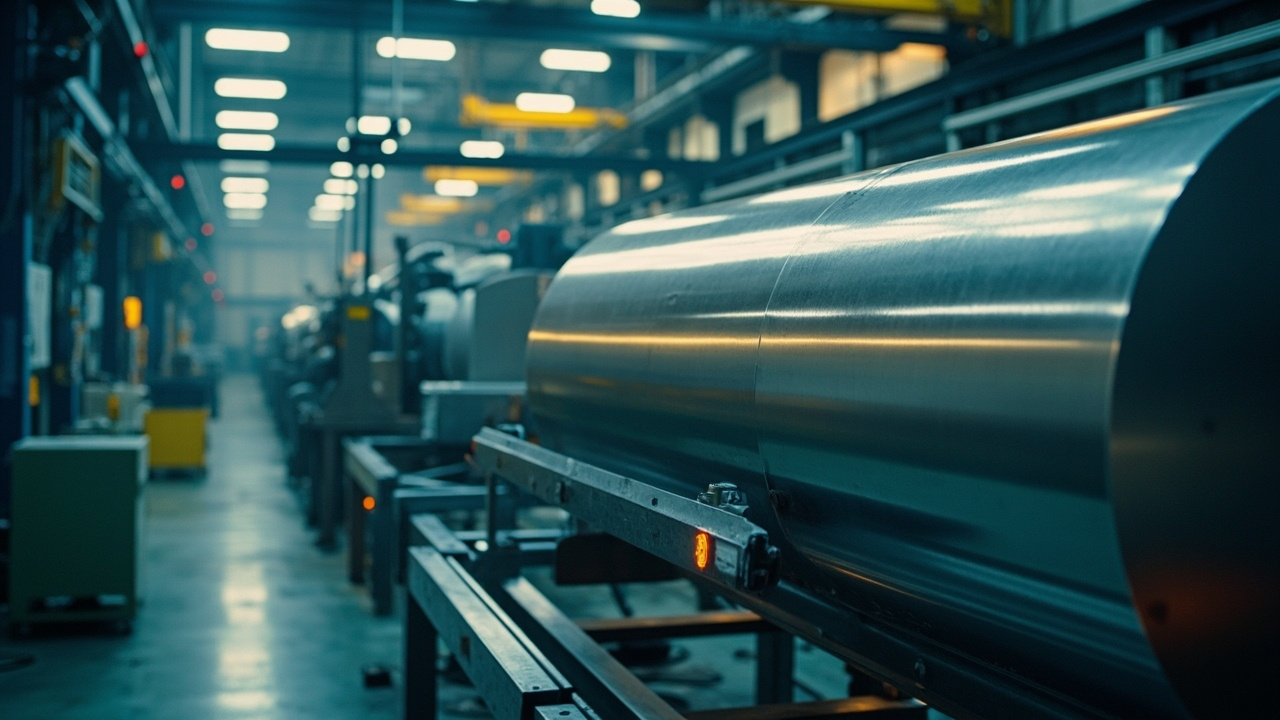
At the top of the industry sit vertically integrated groups that run their own casting furnaces, extrusion presses from 1,800 to 4,000 tonnes, anodising and powder coating lines, and a window fabrication workshop under one roof. They sell both the bare profile (to other window builders) and the finished casement, and they hold CE, ASTM and BS certificates. These are the partners for high-rise residential, hotel and curtain-wall projects where consistent alloy quality across thousands of windows is non-negotiable.
The thermal break specialists
A second tier is built around polyamide thermal break technology. These factories buy standard extrusions from the integrated groups or extrude their own, then crimp a polyamide strut with a minimum of 24 millimetres of insulation into the profile to stop heat bridging. They compete on U-value, on the strength of the strut (fibreglass-reinforced nylon 66) and on the precision of the knurling machine. For projects heading to Northern Europe, Canada or mountain resorts, this is the default archetype.
The surface treatment specialists
Some factories make their reputation on finish rather than on profile depth. They run long powder coating lines in any RAL colour with a minimum of 40 microns coating thickness, and offer fluorocarbon (PVDF) coatings rated for 4,000 hours of salt spray for coastal and high-rise facade projects. Anodising lines here produce bronze, champagne and black finishes with a controlled oxide layer thickness of 15 to 25 microns. They are the right call when the window has to match a metal facade cladding or a brass entrance door.
The systems and OEM producers
A growing category produces profiles under license to a Western systems house (Schueco, Reynaers, Aluk) or under the buyer's own brand and packaging. The value is design consistency: the same gasket geometry, the same hardware groove and the same assembly manual across an entire project, which simplifies installer training. These are the suppliers for developers who want a recognised system brand on the marketing material without paying European factory prices.
How to qualify a profile factory
Before requesting a quote, send the project location, the opening type (casement, sliding, tilt-and-turn), the glass spec and the required U-value. Ask for the mill test certificate for alloy 6063-T5 or T6, the wall thickness report (checked with a digital calliper on the cross-section), the salt-spray test report for the chosen finish and a sample two-metre length of each profile. Weigh the sample: a 70-series outer frame should feel solid in the hand, not flex under thumb pressure. Run a paid sample window through assembly, hang the sash on its hinges and check that the hardware seats without forcing. Then shortlist two factories across different archetypes and decide on quality and service rather than on the headline per-metre price. Sourcing profiles direct from China still saves 25 to 40 percent against buying through a regional window brand, but only when the buyer treats the alloy, the thickness and the finish as the three pillars of the decision.