





Top 10 Acoustic Panel Manufacturers in China
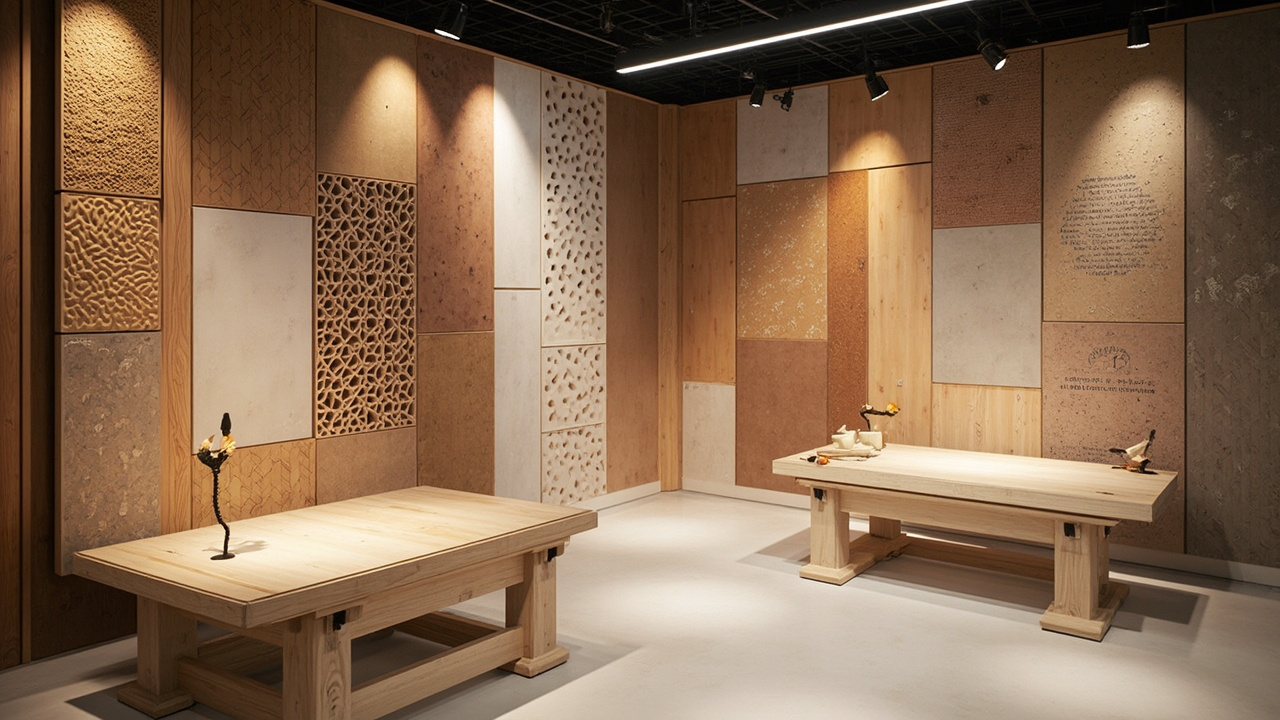
Acoustic treatment has moved from a specialist afterthought to a core specification item in offices, hotels, schools and home cinemas. As demand has climbed, China has built out one of the deepest and most varied acoustic panel supply bases in the world. This guide profiles ten manufacturers worth talking to, and explains how to read their specifications so you brief the right factory for your project.
How to read acoustic panel specifications
Before you compare factories, fix three numbers in your brief. The first is the NRC (Noise Reduction Coefficient), which ranges from 0.0 to 1.0 and tells you how much sound energy a panel absorbs across speech frequencies. A good general-purpose panel sits between 0.60 and 0.85; a high-performance felt or mineral wool panel can reach 0.90 and above. The second is the fire reaction class, typically tested to EN 13501-1 in Europe (look for B-s1,d0 for commercial interiors) or to GB 8624 inside China. The third is the formaldehyde emission class, where E1 is the baseline for export and E0 or CARB P2 is expected for school and healthcare interiors. A factory that cannot answer these three questions on a quote sheet is not a serious candidate.
PET felt panel specialists
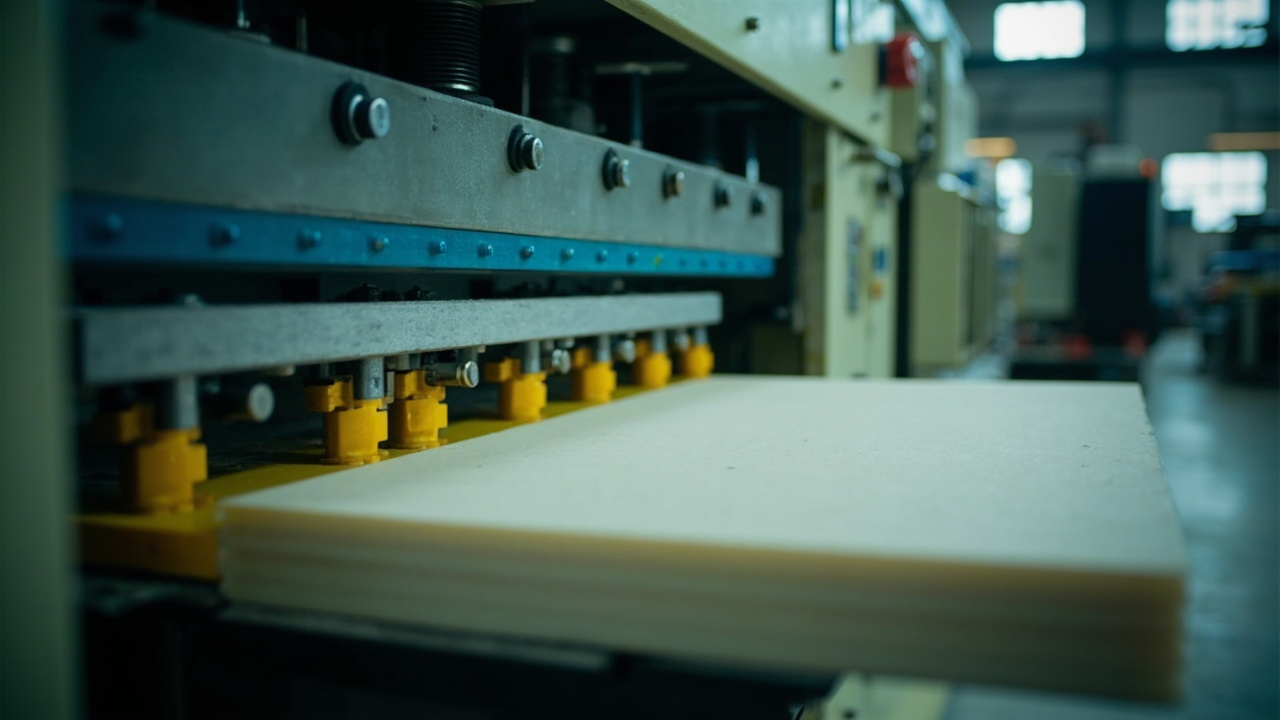
Polyester felt panels, made from hot-pressed recycled PET fibre, are now the volume leader because they are lightweight, safe to handle, available in dozens of colours and easy to cut on site. The better factories run their own needle-punching lines rather than buying felt sheets from third parties, which gives them tighter control over density (typically 1200 to 2000 kg/m3) and thickness (9mm, 12mm, 24mm being the common options). Look for suppliers who offer custom laser-cut geometric patterns, printed artwork, and edge-bevelled boards for full-wall feature applications. Their weak spot is impact resistance, so for corridors and classrooms ask for a higher-density 24mm board rather than the standard 9mm.
Wood slat and grooved panel makers
Wood slat acoustic panels, a felt-backed wooden slat system fixed to a wall, have become the signature finish in boutique hotels and premium offices. The factories that do this well combine two skills: woodworking (veneer wrapping, lacquer finishing, MDF core moisture control) and acoustics (the acoustic felt backing and the air gap behind the slats that does the actual absorbing). Cheaper producers nail hardwood slats onto imported felt and call it acoustic; the better ones will show you a reverberation chamber test report and a veneer species list that includes oak, walnut, ash and smoked eucalyptus. Specify the slat pitch and the felt colour separately, because the visual rhythm of the slats is what the end client judges.
Fabric-wrapped and mineral wool producers
For auditoriums, lecture theatres and broadcast studios, fabric-wrapped mineral wool panels remain the workhorse. These factories wrap high-density rock wool cores in acoustically transparent fabric, often with a wooden or aluminium perimeter frame. The advantage here is genuine high NRC (above 0.90 at 50mm thickness) and a Class A1 fire rating from the mineral core itself. Pay attention to the edge profile (square, bevelled or radius), the fabric tension method, and whether the factory holds an approved-fabric list from major brands such as Guilford of Maine or Maharam. For health and safety, insist on a fibre-free facing on the room-side surface to stop loose mineral fibre drifting into the air.
How to shortlist and brief your chosen factory
Send a single enquiry pack to your top three or four factories: a dimensioned layout, a target NRC, the required fire class, a colour reference, and the project country so the factory knows which certification to quote. Ask each for a paid 300x300mm sample in your specified colour and thickness. Place the samples side by side under daylight and warm interior light, and run a simple hand-clap test in a small room; the difference between a 0.55 and a 0.85 panel is immediately audible. Negotiate on panel size rather than unit price: a factory that runs a 2400x1200mm master board can cut your custom sizes from it with almost no waste, which often beats a cheaper per-square-metre quote on a smaller standard board. Finally, confirm the packing method, because felt and slat panels damage easily in shared containers and should travel strapped to pallets with corner protection and a top sheet of corrugated board.
Choosing the right acoustic panel manufacturer is less about chasing a famous brand name and more about matching the panel technology to the room, the fire regulation and the visual brief. The ten factories listed in this category cover the full range from budget PET felt through to bespoke wood slat feature walls, so the question is rarely whether China can supply your project, but which factory will answer your specification sheet with a real test report rather than a glossy brochure.