





Sustainable Building Materials Sourcing from China: Green Certifications
Sustainability has moved from a marketing line to a procurement requirement. Developers bidding for public contracts, hotel brands chasing ESG targets and export-oriented contractors all increasingly demand building materials with verifiable environmental credentials. China has responded with a broad supply of certified green products, but the burden of separating genuine compliance from greenwashing sits firmly with the buyer.
The certifications that actually matter
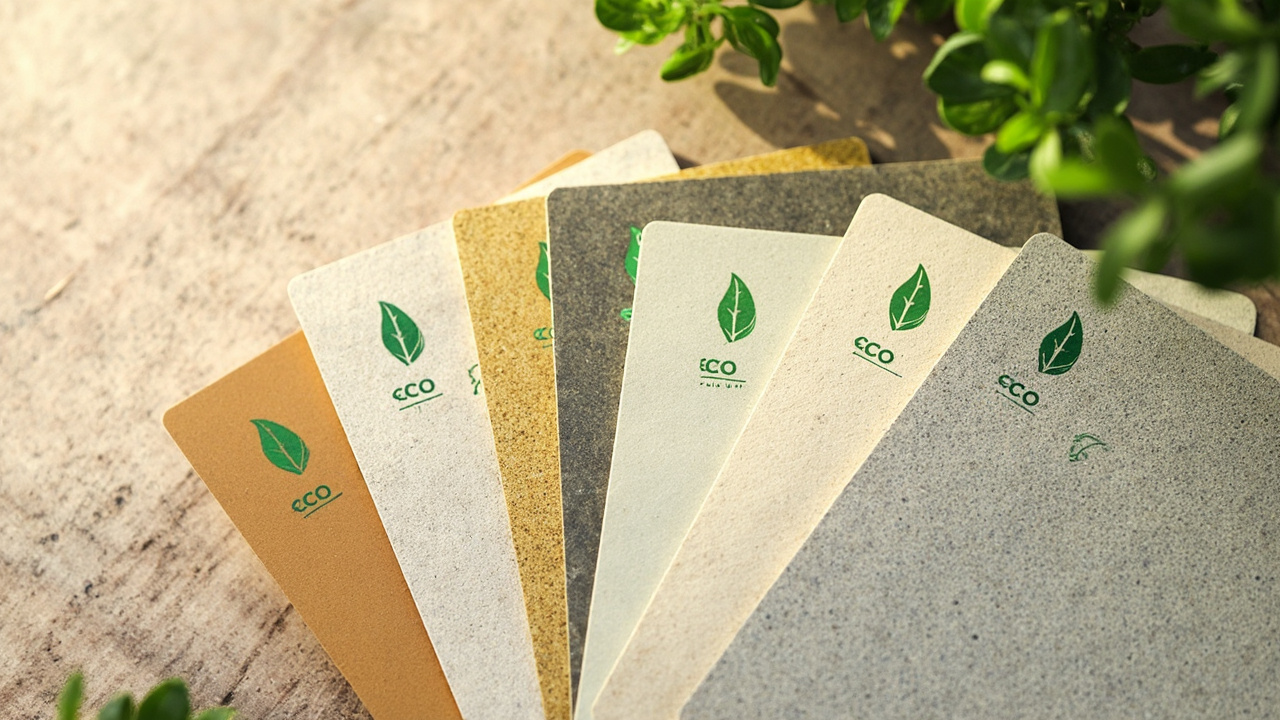
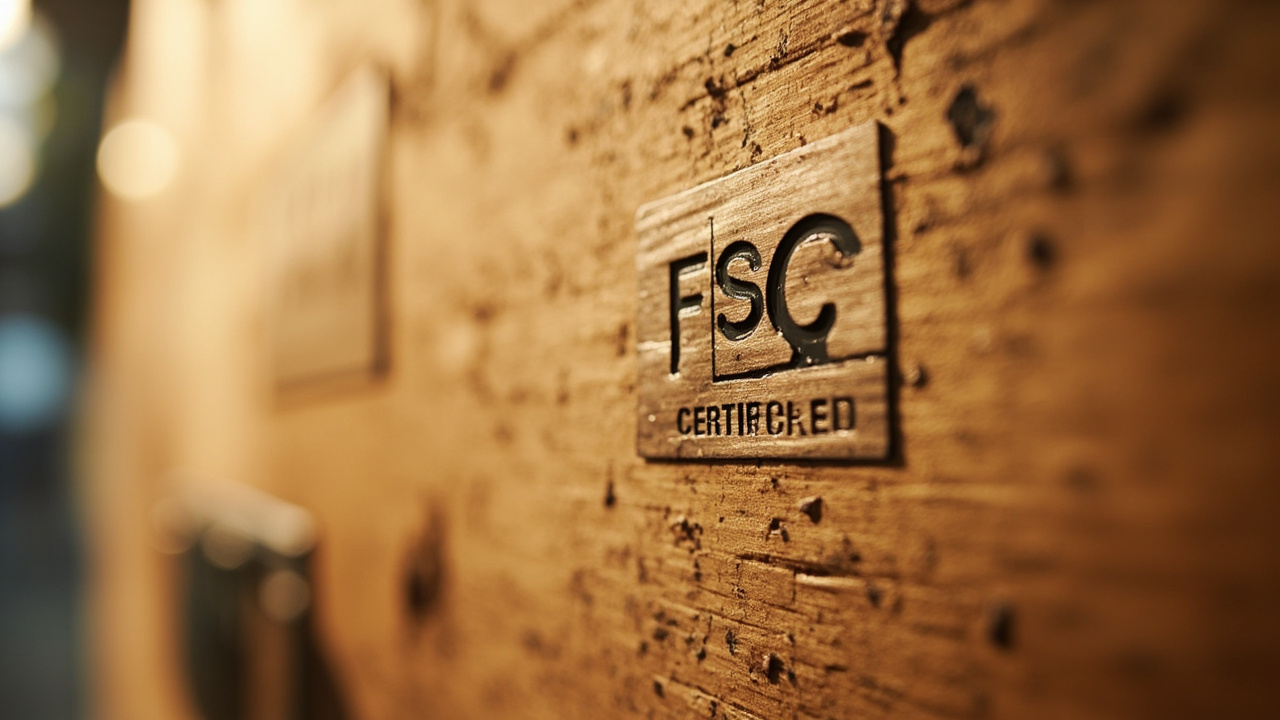
A handful of third-party schemes carry real weight in international projects. FSC (Forest Stewardship Council) chain-of-custody certification verifies that wood, plywood and engineered panels trace back to responsibly managed forests. CARB Phase 2 and its European counterpart, the E0 and E1 formaldehyde emission classes, govern how much formaldehyde a panel can release. GREENGUARD Gold certifies low chemical emissions from finishes, adhesives and furniture, while Cradle to Cradle assesses material health and recyclability. A factory may print any of these logos on a brochure; what counts is the certificate number, its expiry date and whether the issuing body is the legitimate accreditation holder.
Low-formaldehyde panels beyond the label
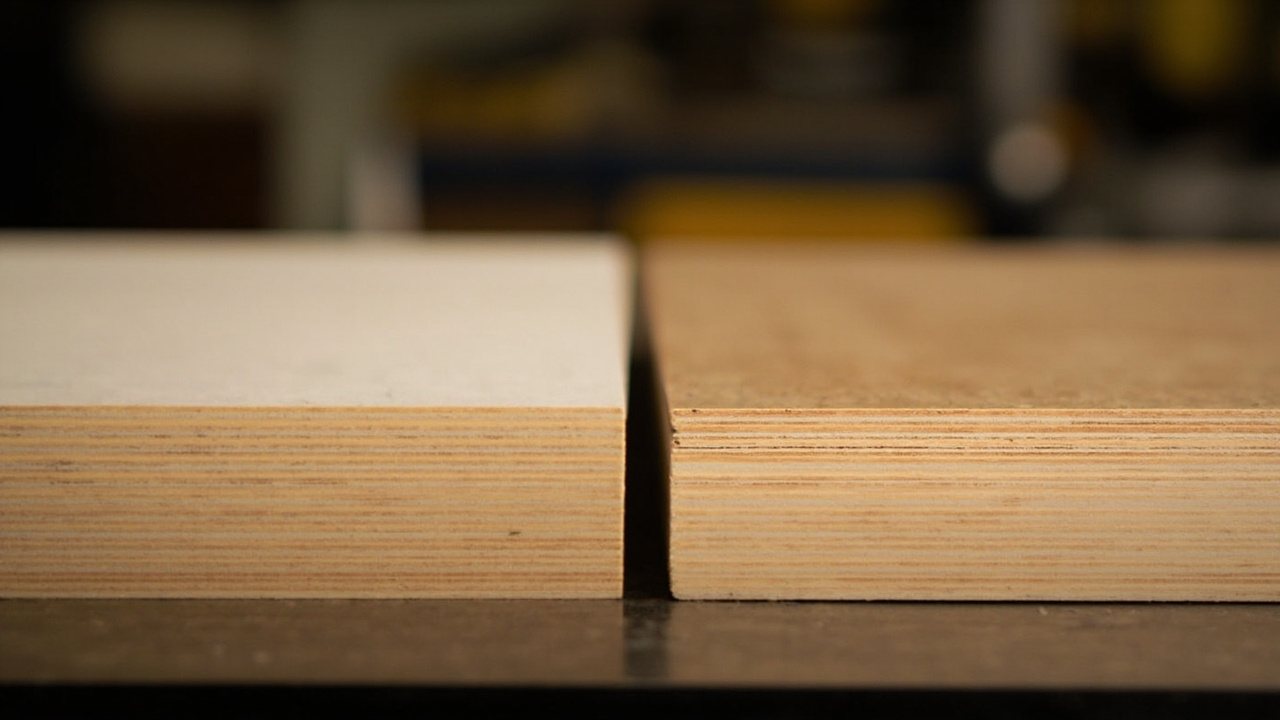
Engineered panels are the easiest category to get wrong because the formaldehyde class is invisible to the eye. CARB Phase 2 caps emissions at roughly 0.05 parts per million for particleboard, and the stricter E0 grade sits around 0.03. To verify, request a chamber test report issued by an accredited laboratory, not a factory self-declaration. The report should name the panel thickness tested, the test method (ASTM E1333 or EN 717-1) and the result. For hotel and healthcare interiors, where occupants are indoors for long stretches, specifying E0 panels with a third-party report is a small cost for a meaningful reduction in indoor air pollution.
Recycled content tiles and the documentation chain
Ceramic and porcelain tiles with recycled content are now common from the larger Foshan factories, often incorporating post-industrial clay and feldspar waste. The figure that matters for green building rating systems is the percentage of recycled content by mass, broken down into pre-consumer and post-consumer fractions. LEED awards points based on these figures, but it requires a letter from the manufacturer stating the recycled content and the source, not just a marketing claim. When sourcing, ask for this letter alongside the test report and keep both on file for your sustainability consultant.
Verifying the supplier, not just the product
A certified product made in a non-certified factory is a risk. The cleanest verification path is to ask the factory for its FSC or CARB certificate, then check the certificate number against the public database of the certification body. Confirm that the certificate lists the exact product category you intend to order, because scopes are narrow and a certificate for solid wood doors does not cover MDF panels. A short factory audit, even done by video, can confirm that the chain of custody is actually maintained on the production floor: FSC-certified material must be stored separately and labelled through every stage of manufacture.
Carbon footprint and the broader picture
Beyond the product itself, buyers increasingly weigh the embodied carbon of transport. A shipper's container from China to Europe carries a far lower per-unit carbon cost than air freight, and consolidating multiple suppliers into a single container at a Chinese warehouse multiplies the efficiency. Some Chinese tile and panel factories now publish Environmental Product Declarations (EPDs) that quantify global warming potential, water consumption and resource depletion per square meter. An EPD is not a certification of low impact, but it provides the comparable data that lets a project team make informed trade-offs between materials.
Sourcing sustainable materials from China is neither a checkbox exercise nor a marketing impossibility. The factories with genuine certification exist, the documentation is available for those who ask, and the cost premium over conventional product is usually in the single digits. The discipline lies in verifying the certificate, not the logo, and building a documentation file that will withstand a sustainability audit without surprises.