





Solid Wood vs Engineered Wood Furniture: Cost, Stability and Export Suitability
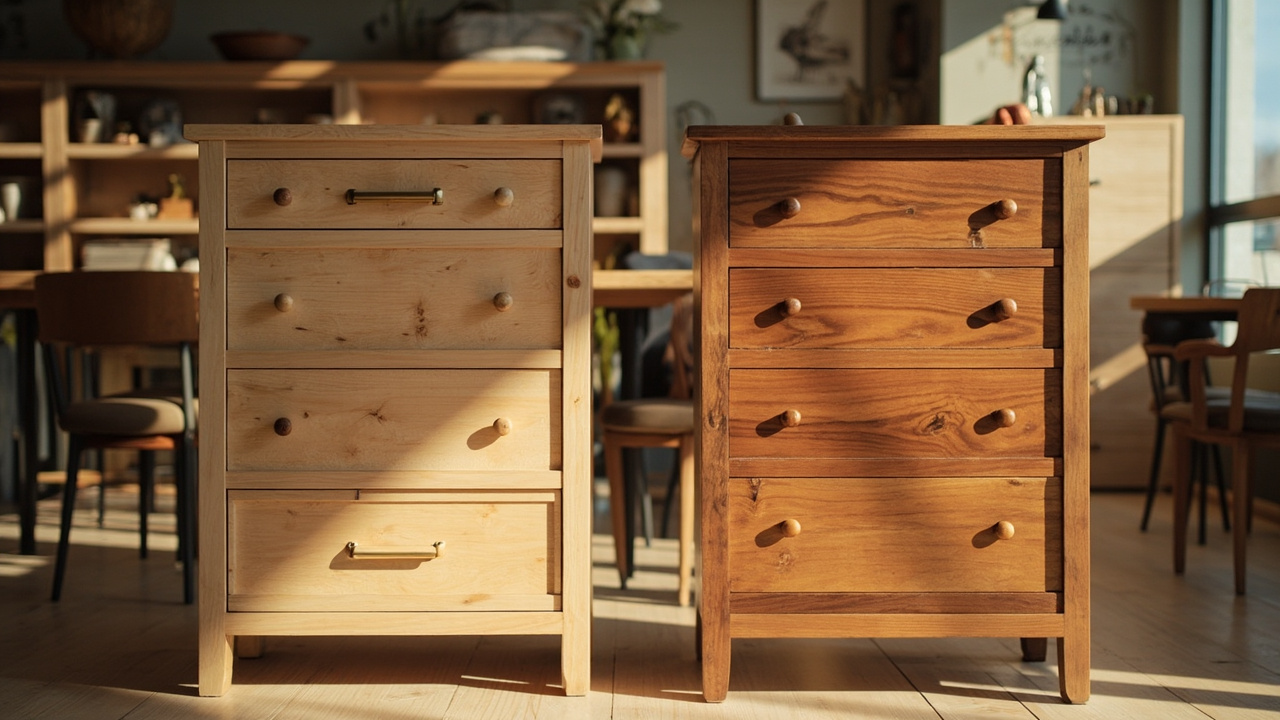
When buyers spec furniture for hotels, apartments or restaurants, one of the first decisions is whether the carcass and visible faces should be solid wood or an engineered panel. Each route carries trade-offs in stability, weight, freight cost and finishing that are not always obvious from a catalogue photo. This guide breaks down the real differences so project buyers can write a clearer specification and avoid the most common failure modes during export.
How each material is actually built
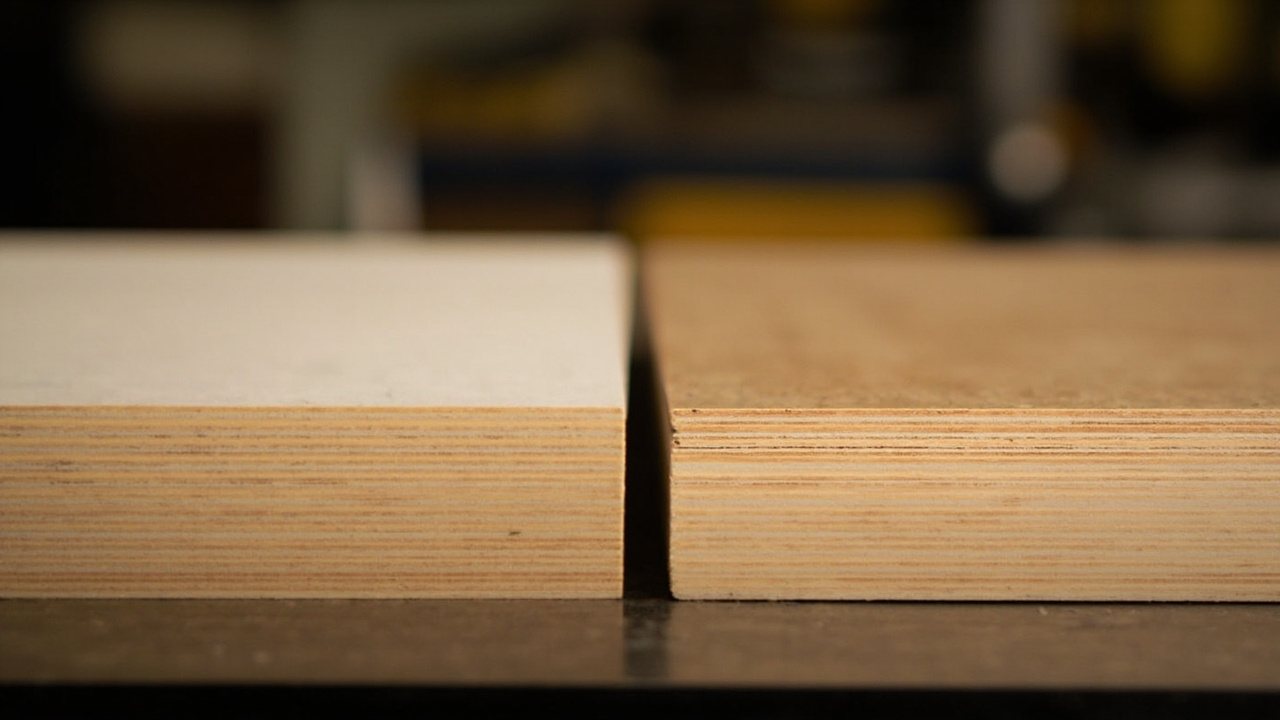
Solid wood furniture is machined from planks of a single species such as oak, ash, birch or rubberwood. Engineered panels, by contrast, are assembled from wood fibres or veneers bound with resin: MDF (medium-density fibreboard) uses fine fibres pressed into a uniform sheet, particleboard uses larger chips, and plywood stacks thin veneers with crossed grain direction. The manufacturing method determines stability. A solid oak door can expand and contract across its grain by several millimetres with humidity, while a plywood panel of the same size barely moves. That single fact drives most of the specification choices below.
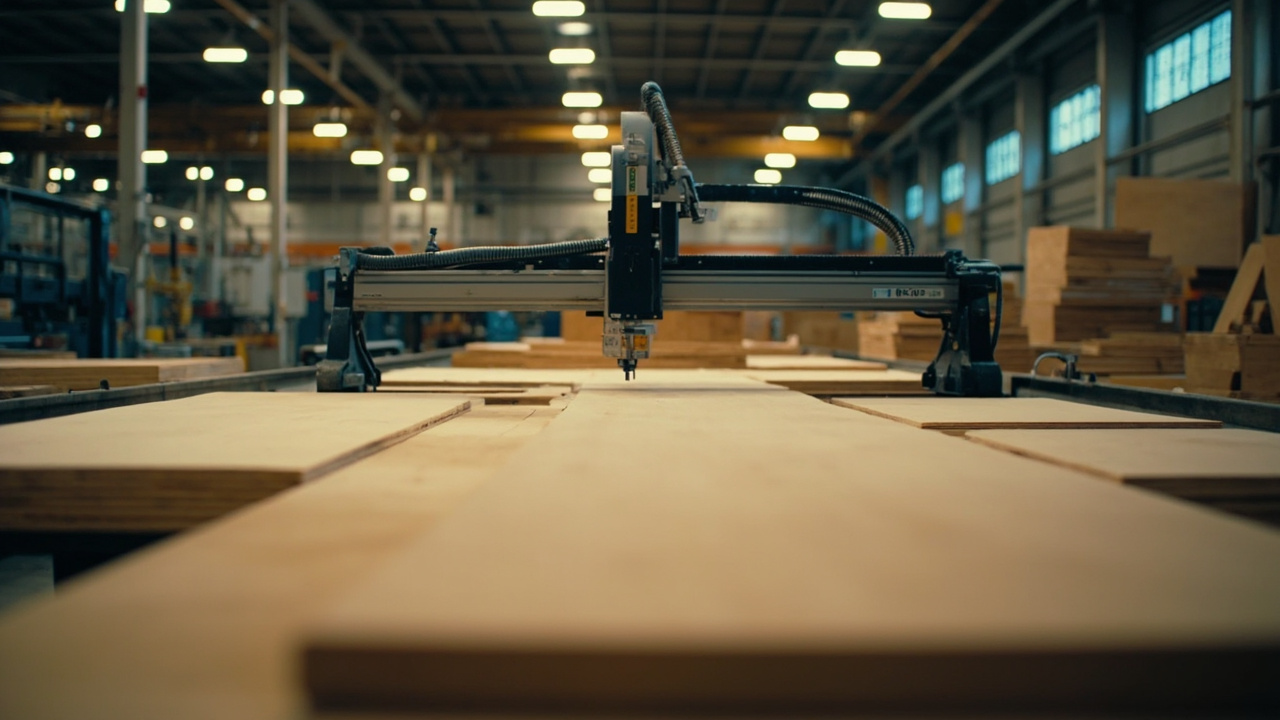
Warping, moisture movement and stability
The biggest risk in exported furniture is moisture movement during the four to six weeks a container spends at sea. Solid wood cupped, twisted or split when kiln-dried to the wrong moisture content. A responsible factory will dry oak to between 8 and 12 percent moisture for export markets and show a meter reading before cutting. Engineered panels move far less, which is why MDF and plywood are the default for wide panels, doors and drawer fronts in flat-pack production. Plywood is the strongest of the three engineered options and the best choice for shelving and load-bearing parts, while MDF offers the smoothest surface for painted finishes and intricate routered profiles.
Cost, weight and freight
On raw material cost, solid wood is typically two to four times more expensive than MDF or particleboard for the same volume, and the labour to cut, joint and sand it is higher. Particleboard is the cheapest substrate and the lightest, which is why it dominates budget kitchen cabinets and wardrobes. However, light weight cuts both ways: a thin particleboard side panel dents easily and holds screws poorly. Plywood sits in the middle on price but carries weight well, making it the workhorse for case goods that must survive handling. For freight, denser materials cost more per cubic metre in ocean shipping, so a solid-oak dining table can cost meaningfully more to move than a veneered MDF equivalent even when the ex-works price is similar.
Finishing options and what to specify
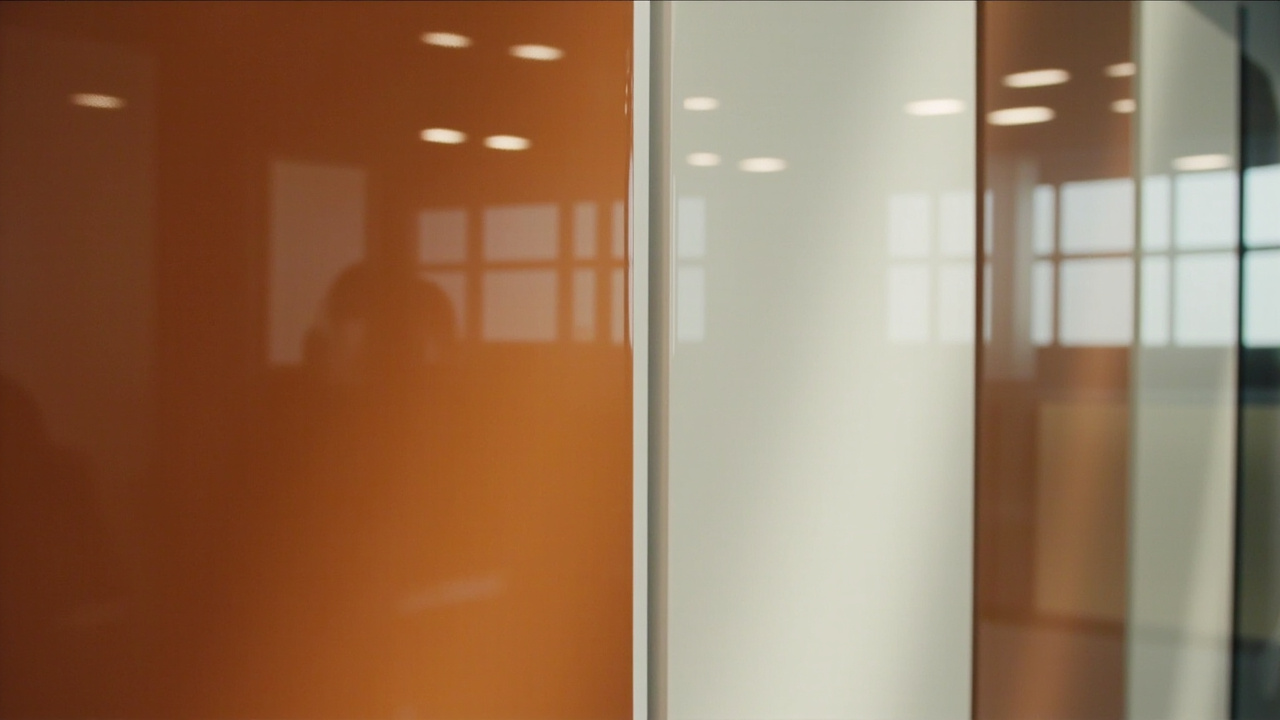
Each substrate favours a different finish. Solid wood shines with a clear lacquer or oil that lets the grain show, and it can be refinished decades later. Veneered MDF gives a similar look on a stable core, but the veneer layer is only 0.5 to 1 millimetre thick, so sand-through during refinishing is a real risk. Painted finishes adhere best to MDF, which has no grain telegraphing, while melamine- or PVC-laminated particleboard is the low-maintenance choice for rental-apartment kitchens. When you write a spec, name the substrate, the face veneer species if any, the moisture content target, the finish system (PU, water-based or UV lacquer) and the panel thickness — leaving these open lets a factory quietly downgrade the build.
The right answer is rarely all-solid or all-engineered. Mature export programmes combine the materials deliberately: solid wood for legs, frames and visible edges where character matters, plywood for structural panels that must carry load, and MDF or particleboard for large flat surfaces where dimensional stability and cost matter most. Specify each component by material and you will get furniture that looks right, ships safely and stays flat for years.