





Sea Freight for Building Materials: How to Choose Between FCL and LCL
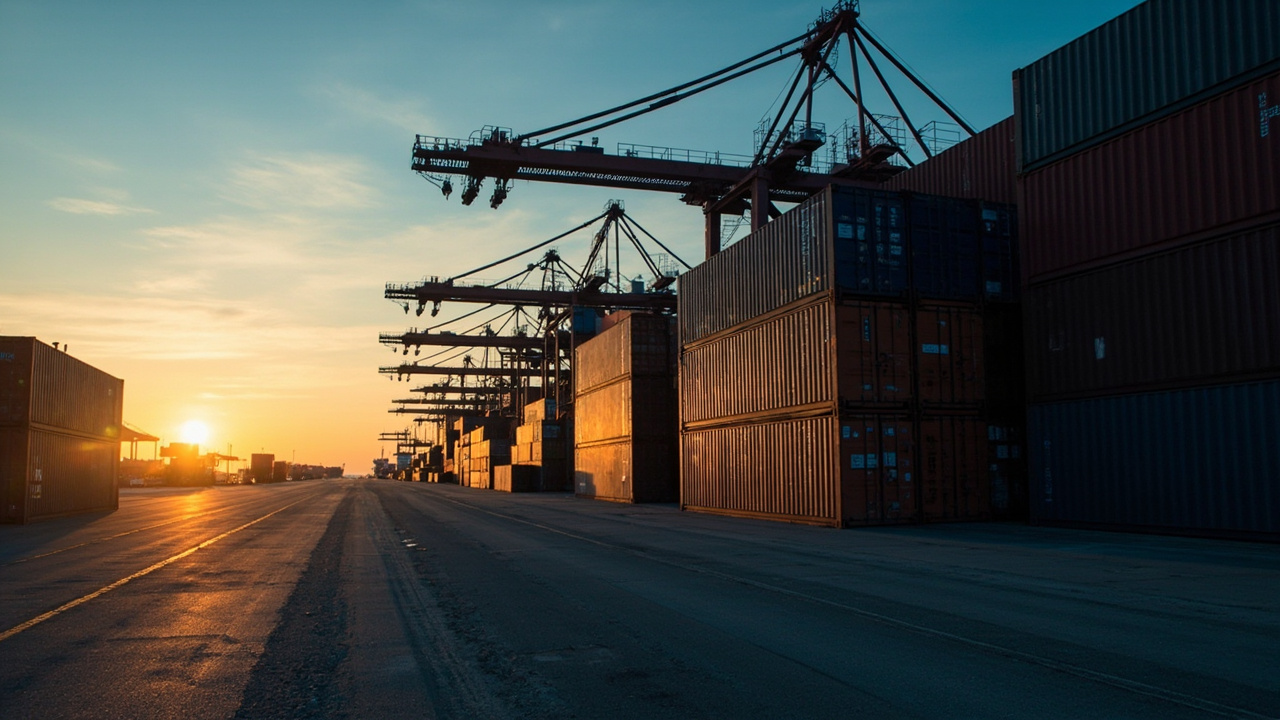
For most building material buyers, freight is the second largest cost after the goods themselves, and the place where a deal quietly turns profitable or unprofitable. The single most consequential decision is whether to book a Full Container Load (FCL) or a Less than Container Load (LCL). The wrong choice can wipe out a year of negotiation savings in a single shipment.
FCL versus LCL: the real trade-off
An FCL means you rent an entire 20-foot or 40-foot container; an LCL means your goods share a container with other buyers' cargo. FCL costs more per booking but less per cubic metre once you exceed roughly twelve cubic metres. LCL is cheaper for small volumes, but the per-cubic-metre rate is higher, and your goods are handled twice more — at the origin consolidation warehouse and the destination deconsolidation warehouse. Every extra handling is a chance for damage.
Why building materials usually favour FCL
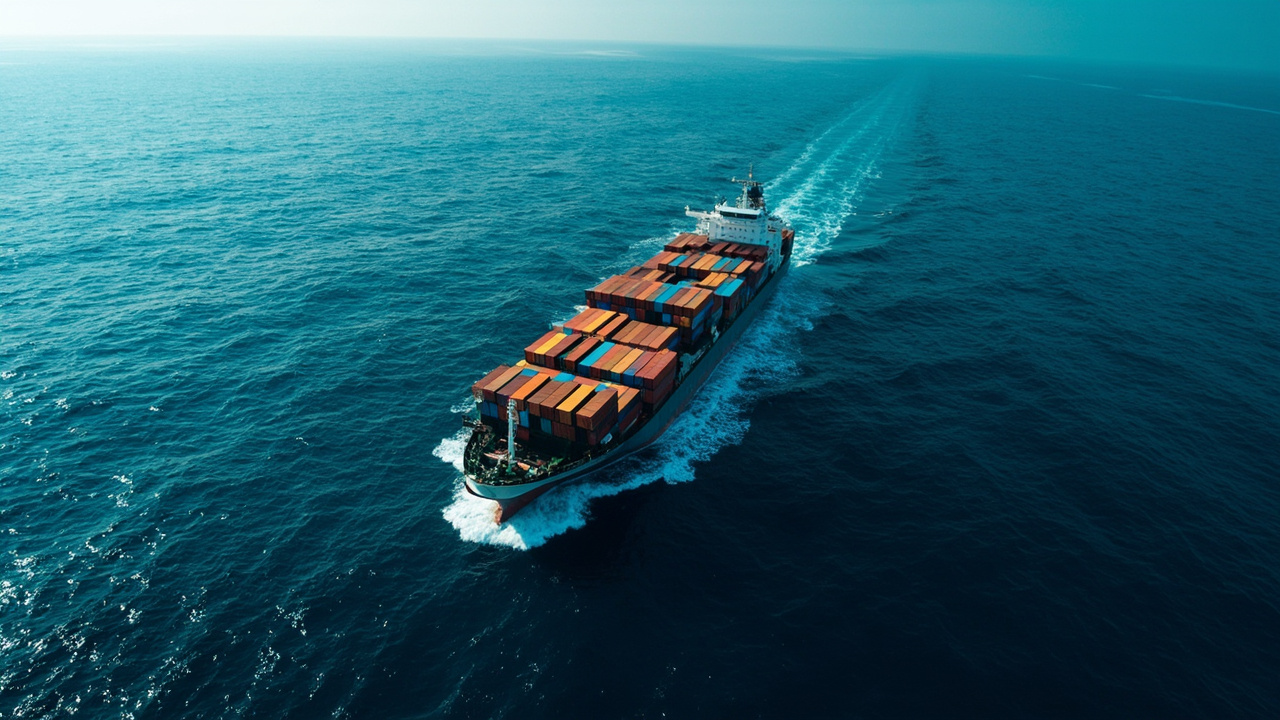
Building materials are dense, heavy and awkward to handle. Tiles, cabinets and sanitary ware are exactly the cargo that suffers most from the re-stacking inherent in LCL. A 20-foot container holds about 28 cubic metres and 18 tonnes; a 40-foot holds roughly 58 cubic metres and 19 tonnes (the weight limit, not space, governs on heavy cargo). If your order approaches either threshold, FCL is almost always cheaper and safer.
Loading: the difference between arriving intact and arriving broken
Container loading is an engineering task, not a stacking exercise. Pallets must be flush against the container walls, with no gap at the doors larger than 15 cm. Fill vertical gaps with dunnage (inflatable air bags or foam blocks) to prevent cargo from toppling in a roll. For tiles, never exceed the floor load rating of 4 tonnes per linear metre. For cabinets, strap each pallet to the container's lashing rings, not to other pallets. Photograph the loaded state before sealing the doors.
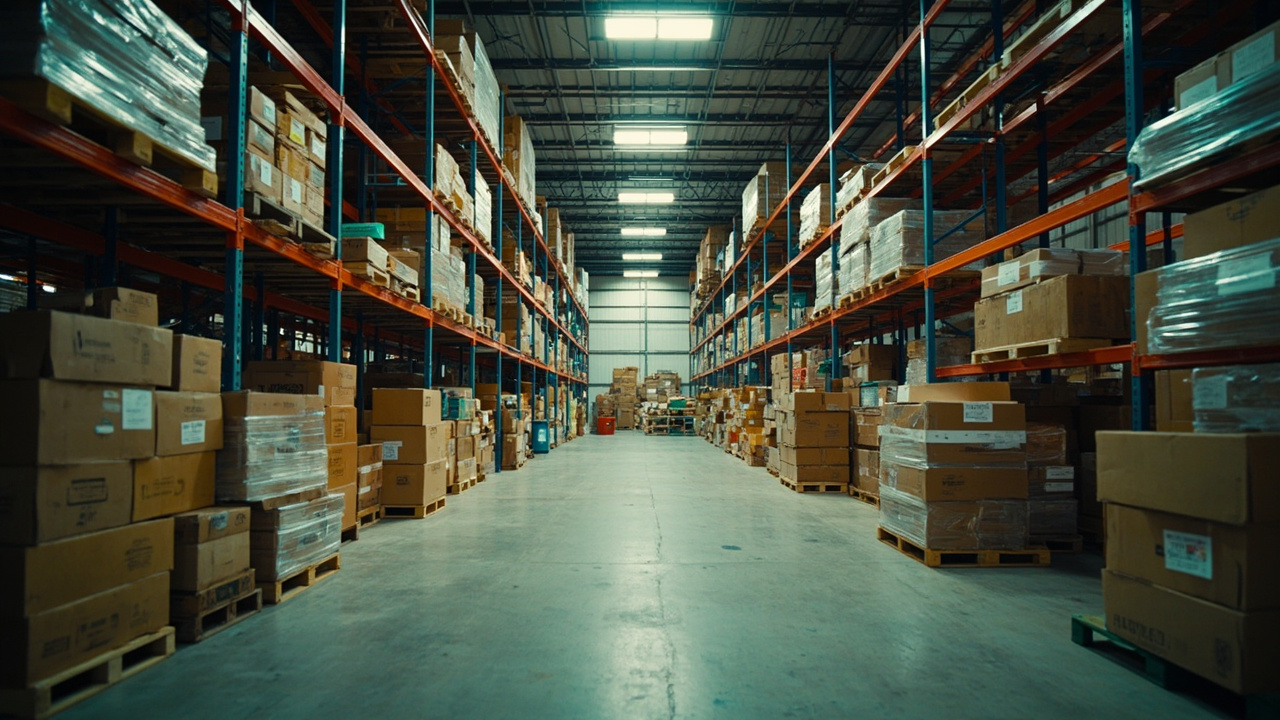
Moisture: the silent killer on a three-week voyage
Inside a sealed container, temperature swings between day and night cause condensation that drips onto cargo for weeks — this is container rain, and it ruins cartons, stains cabinets and rusts hardware. The defence is desiccant: hang 6 to 8 kilograms of silica poles in a 20-foot container for a trans-Pacific route, more for humid destinations. Liner bags that cover the walls add a second layer of protection for high-value cargo.
Incoterms and the hidden costs at each end
FOB (Free On Board) is the most common term for Chinese exports: the supplier covers everything up to the container crossing the ship's rail at the origin port, and you take over from there. CIF (Cost, Insurance, Freight) adds sea freight and minimum insurance to the destination port, which sounds convenient but often hides a margin for the supplier's nominated forwarder. For repeat buyers, FOB plus your own nominated forwarder usually gives the most transparent cost and the most control over routing. Whichever you pick, get the destination charges (THC, documentation, customs clearance, inland haulage) quoted in writing before the vessel sails, because those local charges are where surprises hide.
A good rule of thumb: once your order fills more than half a 20-foot container, price both FCL and LCL before deciding. The exercise takes an hour and routinely saves five to fifteen percent on the landed cost.