





How to Save 30% on Building Materials with a Bulk Order from China
A thirty-percent saving on a building materials order is not a marketing claim — it is an arithmetic outcome of five distinct decisions, each of which shaves a slice off the total cost. None of these moves require cutting quality; they require cutting inefficiency. Here is where the thirty percent comes from, and how to capture it.
1. Buy direct from the factory, not through a middleman
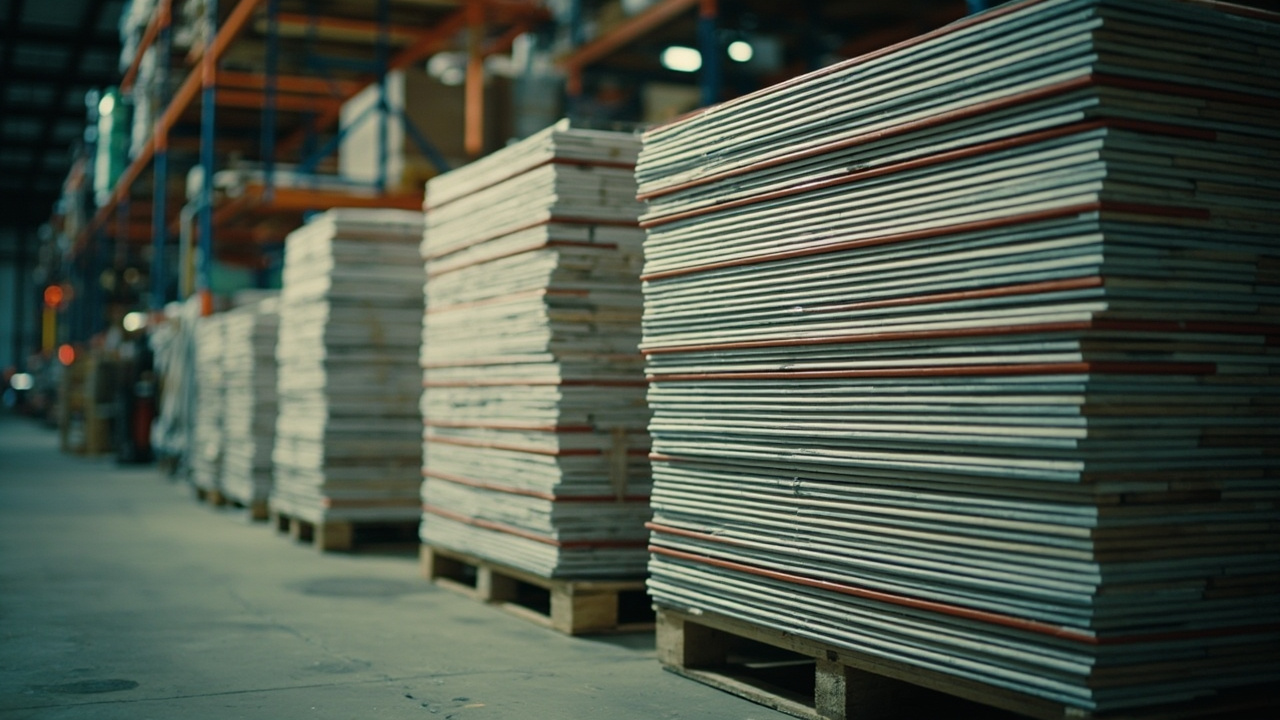
Each layer of trading company between you and the factory adds 8 to 15 percent to the price, often invisibly. A genuine factory sells at the ex-works price plus a modest margin; a trading company buys from that factory and resells to you with its own margin on top. The verification is the business licence check described in our supplier verification guide — if the licence scope says "trading" rather than "manufacturing", you are paying a layer you do not need.
2. Combine SKUs to fill a container
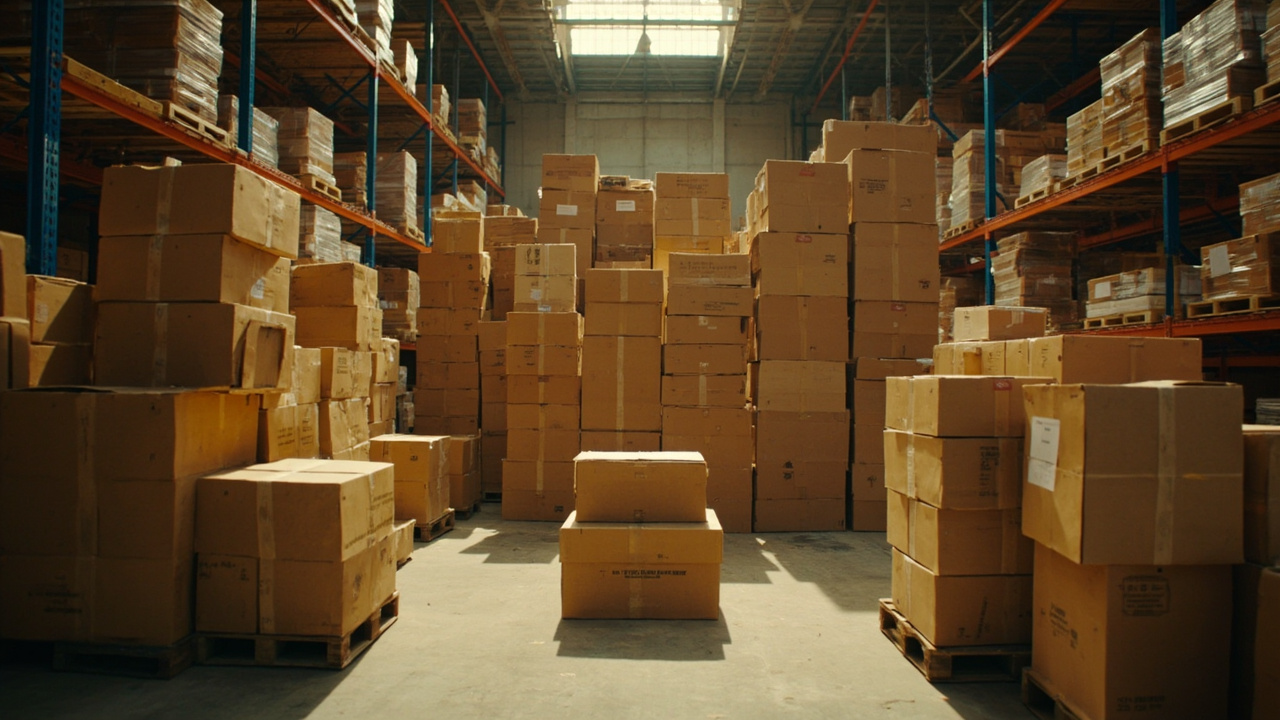
Freight is charged per container, not per item. A half-empty container costs the same to ship as a full one, which means the per-unit freight cost of a half load is double. The lever is to combine products — tiles, cabinets, sanitary ware, lighting — from one supplier or one cluster into a single container. Many Chinese exporters actively support mixed-container orders, and the savings on freight can recover 5 to 8 percent of the order value.
3. Time the order to the low season
Chinese factory pricing follows the production calendar. The peak export season runs February through July; the slow months are November through January, when factories are eager to keep lines running. An order placed in November for January production can carry a discount of 3 to 6 percent, simply because the factory has capacity to fill. Plan the project schedule to take delivery in the slow window.
4. Negotiate payment terms, not just price
Price is only one component of cost; payment terms are the other. A 30 percent deposit with 70 percent against the bill of lading is standard, but for repeat buyers a factory will often accept 25 percent deposit and 75 percent at sight, or extend a small credit line that improves your cash position. On large orders, a letter of credit lets you hold funds until documents prove shipment, which is cheaper than financing the deposit yourself.
5. Specify value engineering, not downgrading
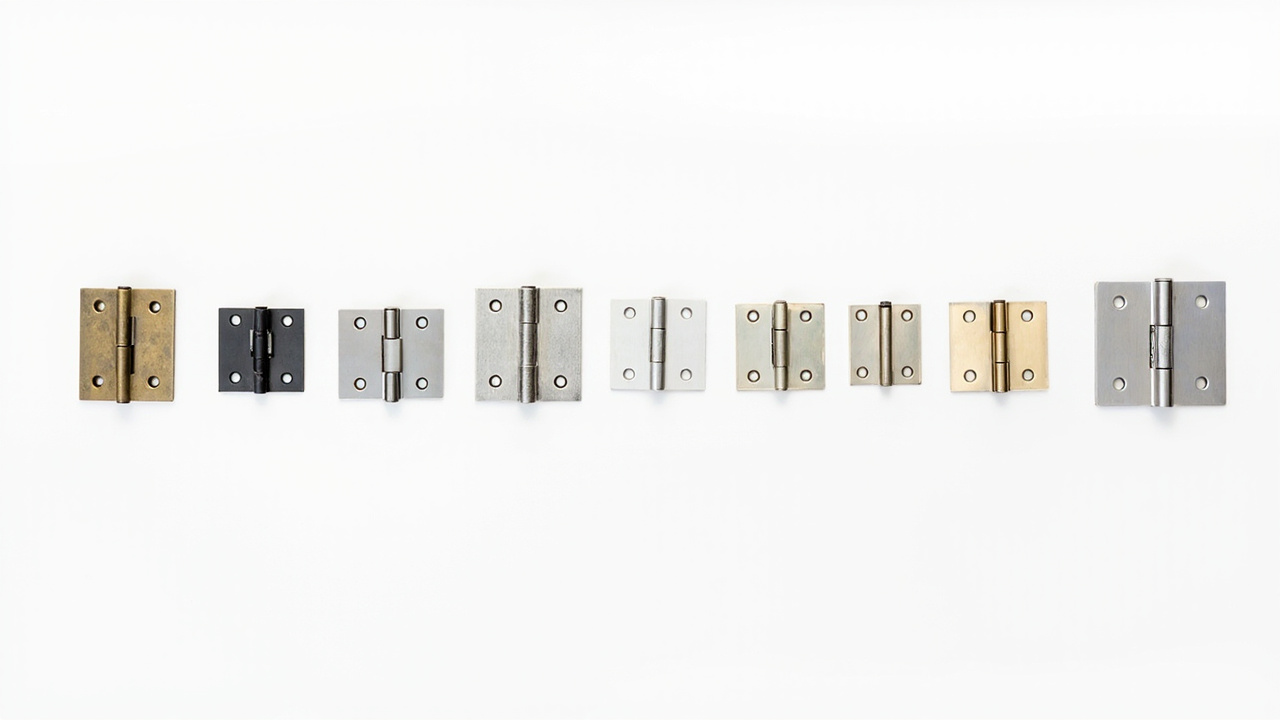
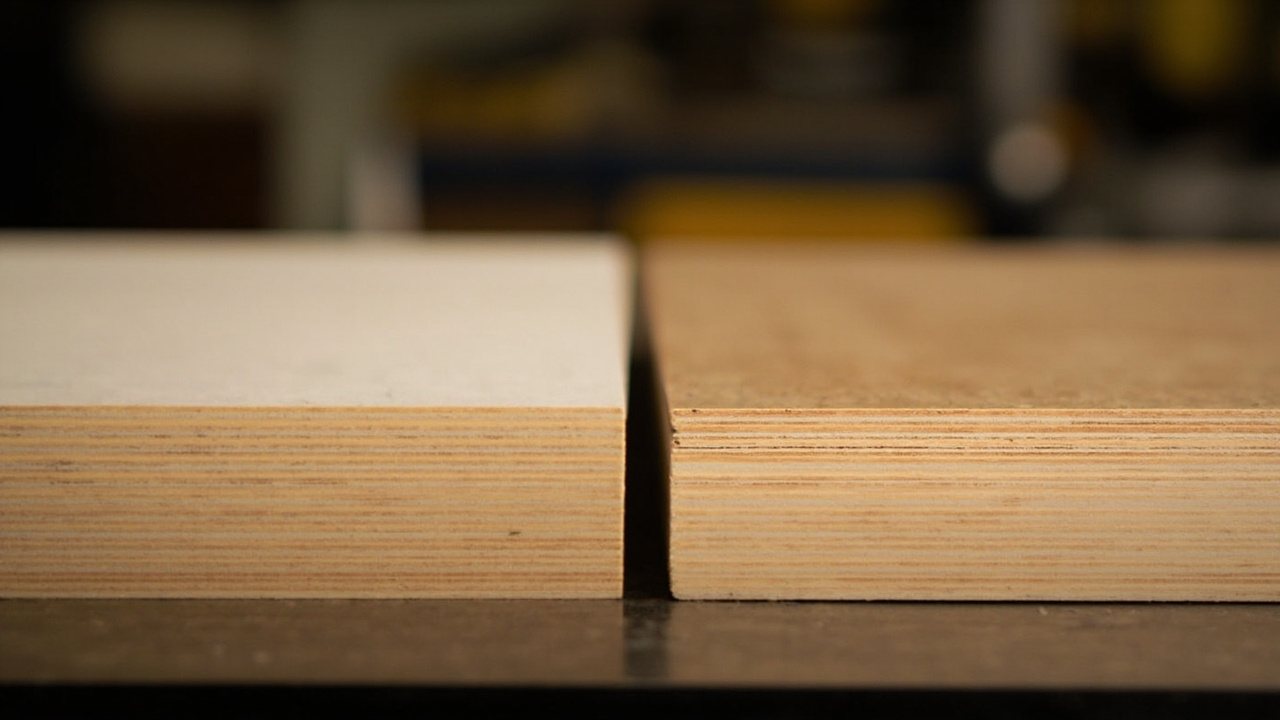
Value engineering means achieving the same function at lower cost, not lower quality. Examples: switching from solid wood drawer boxes to plywood with a solid wood front (invisible difference, large saving), choosing a mid-range hinge brand instead of the top tier (functionally equivalent for residential use), or selecting a standard cabinet depth instead of a custom depth. Each decision is small; cumulatively they recover 5 to 10 percent without any visible downgrade.
Add the five moves together: 10 percent from cutting middlemen, 6 percent from freight optimisation, 5 percent from seasonal timing, 4 percent from payment terms, and 7 percent from value engineering. That is a thirty-two percent recovery, achieved through process discipline rather than through accepting inferior products. The buyers who capture this saving are the ones who treat sourcing as a managed operation, not a one-off purchase.