





Sample Order Process with Chinese Factories: From Prototype to Bulk
The sample stage is where most building-material projects are quietly won or lost. A buyer who treats the sample as a formality often discovers, only when a full container arrives, that the colour is off, the board is thinner than quoted, or the hinge feels different. A buyer who treats the sample as a binding contract gets bulk goods that match the approved reference. This article lays out a practical sample workflow that experienced project buyers use to connect a single prototype to a smooth bulk run.
Stock samples versus custom samples
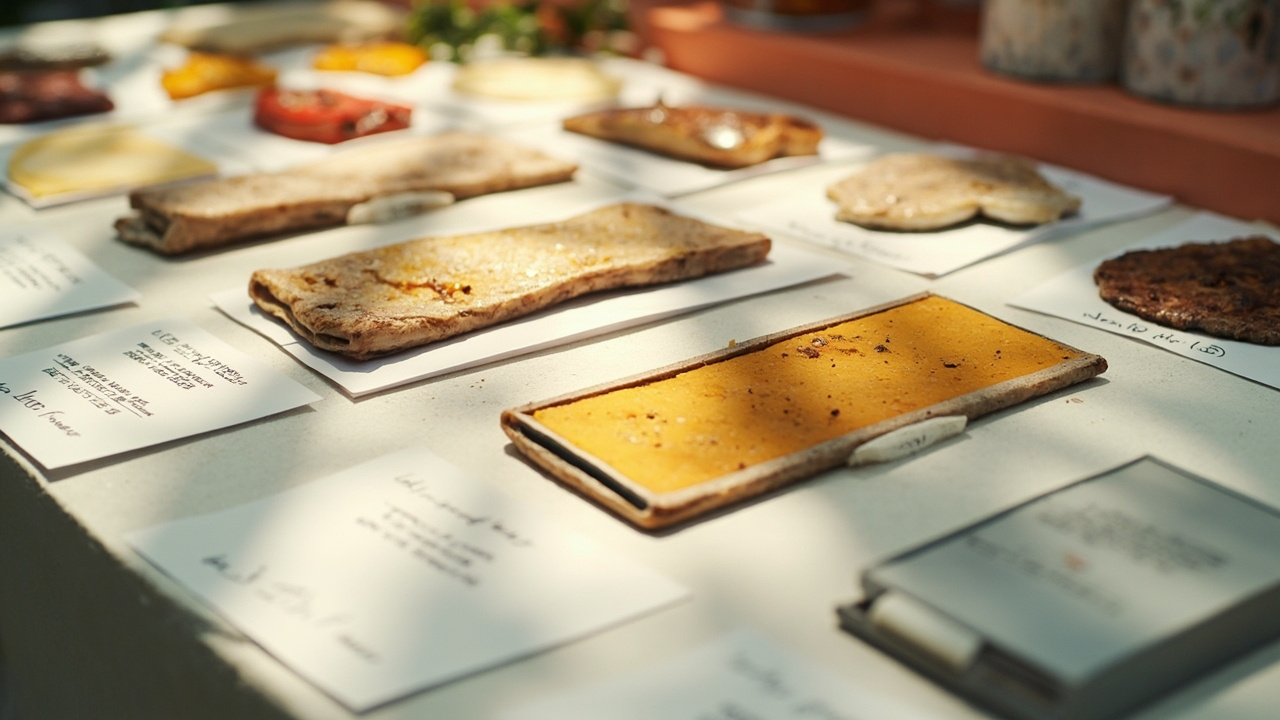
Chinese suppliers generally offer two kinds of samples. A stock sample is pulled from existing inventory or a previous production batch; it is cheap or free, ships in days, and shows you the factory baseline quality and finish. A custom sample is built to your specification, your colour, your material and your dimensions. It costs money, takes longer, and is the only sample that proves the factory can reproduce your exact product. For anything beyond a standard catalogue item, always budget for a custom sample, because the stock sample tells you nothing about how the factory will execute your design.

Paid or free, and what the price really signals
Factories that charge a sample fee are not trying to cheat you. The fee filters out casual inquiries and covers the real labour of pulling a one-off item off the line. A reasonable sample fee for a cabinet door panel might sit between 50 and 200 US dollars, a faucet sample 30 to 80, a tile chip a few dollars. What matters is the policy on refunding that fee: most reputable factories credit the sample cost against the bulk order once it reaches a stated quantity. Ask for that clause in writing. A factory that refuses any refund, even against a full container, is signalling that it does not expect you to actually order.
Lead time and the golden sample
Custom samples take between seven and twenty-five days depending on complexity. Painted lacquer doors, anodised aluminium profiles and printed tiles sit at the longer end because each requires a genuine production sub-process. When the sample arrives, inspect it against a written checklist: colour under daylight lamp, dimensional tolerance within half a millimetre, surface finish, weight, and feel of any moving hardware. If it passes, you have created a golden sample, the single physical reference that both parties agree defines the product. Sign and date it, keep one copy, and send the second signed copy back to the factory. This is the object the pre-shipment inspection will later compare against.
Protecting your design during sampling
Before you hand over drawings, renderings or a physical prototype, have a non-disclosure, non-use, non-circumvention agreement in place. A Chinese-language NNN registered with the supplier, not only an English one, gives you enforceable rights in Chinese courts. Register your design and trademark in China early, because China is first-to-file. Limit the technical detail you reveal at the sample stage to what the factory genuinely needs to build the item; you do not have to expose the full bill of materials or your end-customer relationships to evaluate whether a panel meets spec.
From approved sample to consistent bulk
The gap between a perfect sample and an inconsistent bulk run is where profits evaporate. Three habits close that gap. First, require that the golden sample travels with the production order and is visible on the line, so workers match against it rather than memory. Second, demand batch-level colour control: for tiles, cabinets and any painted surface, request that the factory produce each batch from a single raw-material lot and report the batch number on the packing list. Third, build the sample reference into the pre-shipment inspection report, with photographs comparing a randomly drawn bulk unit against the golden sample under the same lighting.
Handled this way, the sample stops being a courtesy and becomes the spine of the whole order. The modest cost and patience required at the sampling stage return many times over in fewer claims, fewer rejections at destination, and a supplier relationship built on a shared, physical understanding of exactly what good looks like.