





Restaurant Furniture Sourcing from China: Tables, Chairs and Booth Seating
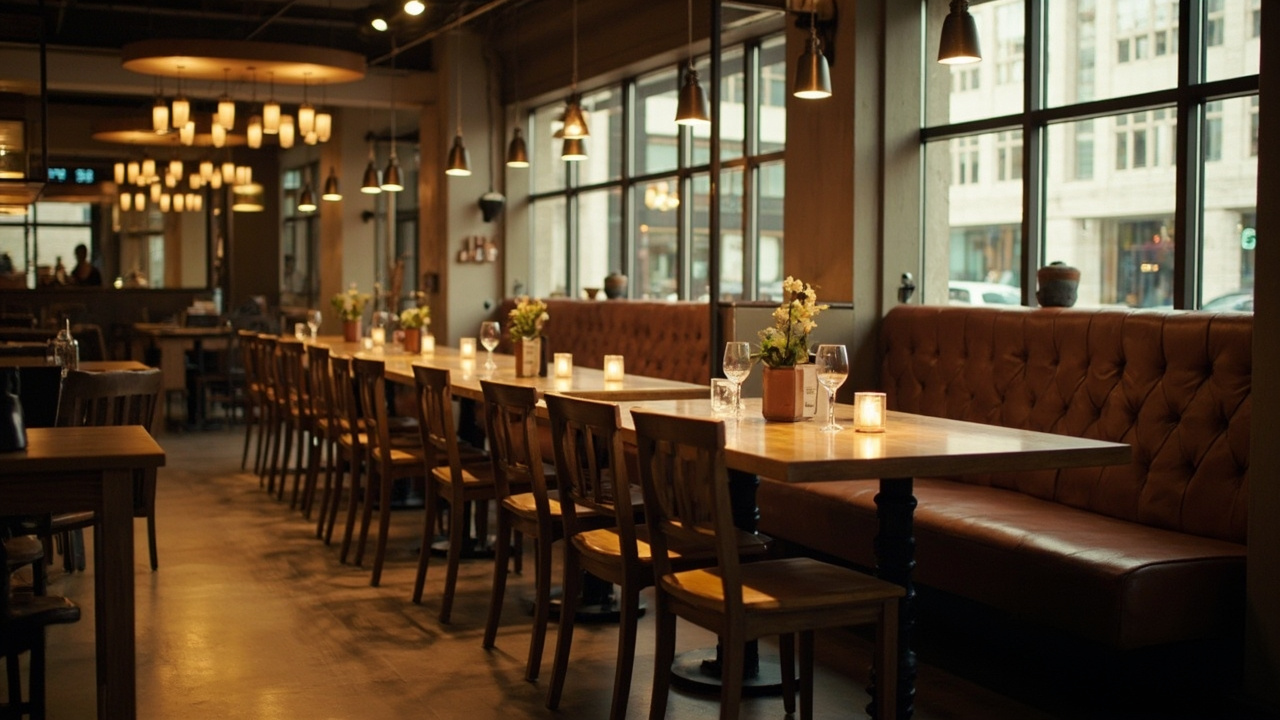
Restaurant furniture has to survive spills, frequent movement and constant traffic that would destroy a domestic dining set within months. When buyers source tables, chairs and booth seating from China, the savings on unit price are attractive, but the real value is locked in the specification. This guide walks through the components that separate a furniture programme that lasts five years from one that needs replacing after the first busy season.
Table bases and tabletops
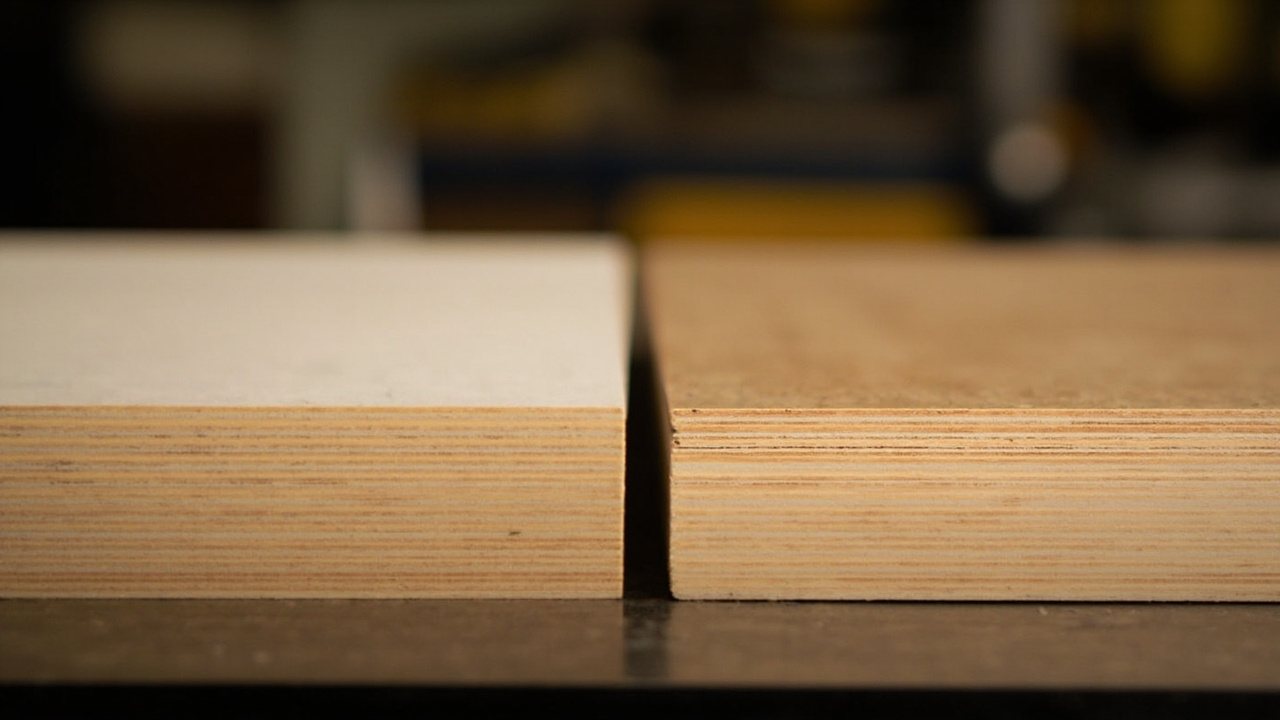
The base is where most failures happen. A cast-iron or heavy steel four-leg base outperforms a single central pedestal for any tabletop wider than 80 centimetres, because pedestal bases flex and loosen at the floor plate under repeated leaning. Specify a base plate at least 8 millimetres thick and a column diameter of at least 60 millimetres for restaurant duty. For tabletops, the choice is usually between solid wood, melamine-faced MDF, HPL (high-pressure laminate) and sintered stone. HPL on a marine-grade plywood core is the workhorse for casual dining: it resists heat, stains and cigarette burns and survives repeated wiping. Solid wood looks richer but needs resealing, while sintered stone suits high-end venues but adds weight that changes the freight calculation.
Chairs: stacking, joints and certification
Stacking chairs are a staple of cafes and event spaces because they let staff reset a room quickly. The critical specification is the stack height — how many chairs can be stacked safely before the load becomes unstable. A well-engineered metal frame chair should stack eight to ten high without racking. Insist on mortise joints or fully welded frames rather than screws at the seat-to-leg junction, and ask for a static load test certificate of at least 150 kilograms. For upholstery, fire retardancy certification such as the UK Furniture and Furnishings Fire Safety regulations or California TB117 is essential for venues in regulated markets, and a responsible factory will provide the matching test report.
Booth seating dimensions and access
Booths are space-efficient and define the mood of a dining room, but their dimensions drive both comfort and turnover. A comfortable two-seat booth runs roughly 1200 millimetres wide, with a seat depth of 450 to 500 millimetres and a back height of 850 to 950 millimetres above the floor. The seat-to-table gap should be 280 to 320 millimetres so guests do not feel cramped and staff can clean easily. Specify the foam density — 30 to 35 kilograms per cubic metre high-resilience foam holds its shape through years of service, where cheaper foam at 20 kilograms collapses within a year. Request upholstered panels that clip on rather than staple, so worn vinyl can be replaced without rebuilding the whole unit.
Lead time, samples and freight planning
A full restaurant furniture programme typically runs 35 to 55 days from deposit to container load, plus 18 to 30 days on the water. Build in a paid sample of each chair and table type before bulk production so you can verify dimensions, foam firmness and finish colour in person. For freight, restaurant furniture is voluminous relative to its weight, so many programmes ship as FCL even with modest quantities. Stackable chairs in particular cube out long before they weigh out. Plan carton dimensions carefully and ask the factory to load the container in reverse order of installation, so the pieces you need first come off last and there is no double handling on site.
Restaurant furniture sourcing rewards a buyer who treats it as engineered product rather than decorative stock. Lock down the base gauge, the foam density, the fire certification and the stacking geometry, and the programme that arrives at the venue will look the part and keep performing long after the first service rush.