





Porcelain vs Ceramic Tiles: Density, Water Absorption and Price Compared
Walk into any tile showroom and the first decision you face is the same one: porcelain or ceramic? The two words are used loosely by sales staff, but they describe materials with genuinely different performance. Specifying the wrong type for a floor or a wet area is one of the most common mistakes in residential and hospitality projects, and it is also a mistake that becomes expensive only after the tiles are installed and start cracking or staining. This guide explains the technical differences that matter, in the language a project buyer needs when writing a purchase order.
The defining test: water absorption rate
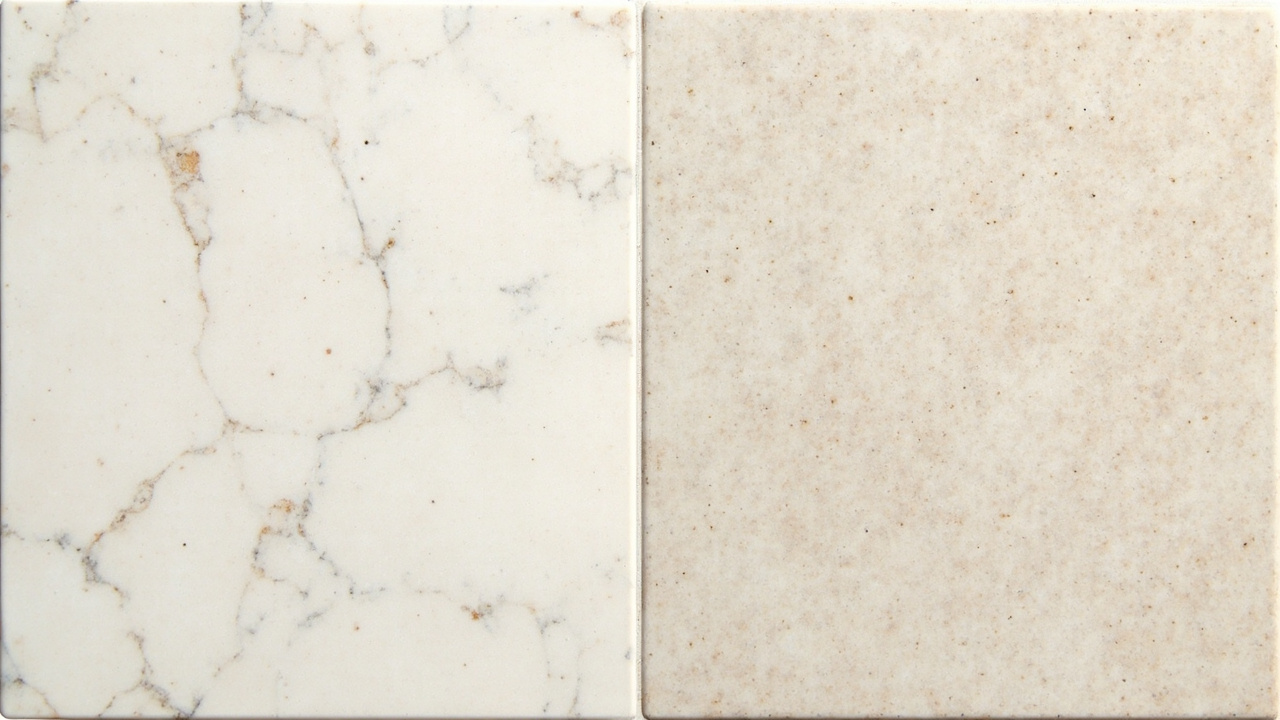
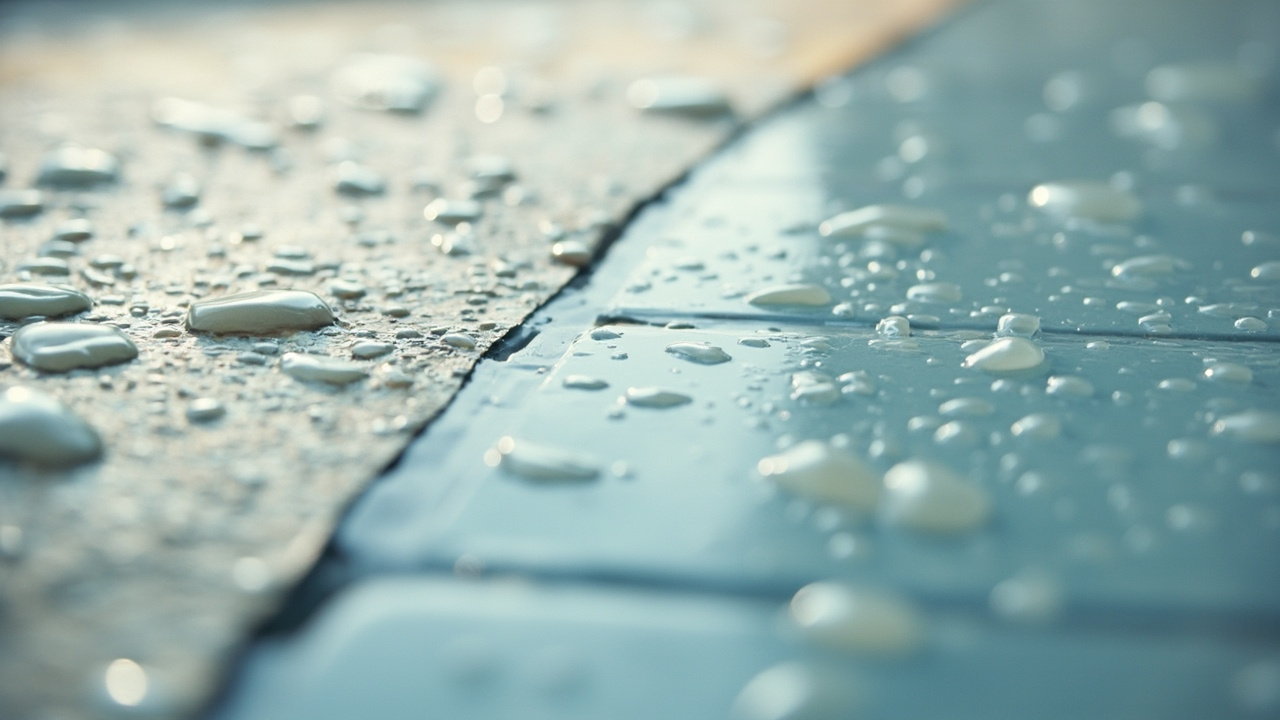
The single property that separates porcelain from ceramic is the water absorption rate, measured by boiling a sample in water and weighing how much moisture it takes up. Porcelain tiles absorb less than 0.5 percent of their weight in water. Standard ceramic tiles absorb between 3 and 6 percent for wall tiles and 0.5 to 3 percent for floor-rated ceramics. That difference sounds small, but it dictates everything else: a denser body resists frost, carries more weight without cracking, and is far less likely to develop dark moisture stains in a bathroom or around a pool. If the tile will see water, freeze-thaw cycles or heavy foot traffic, porcelain is the safer specification.
Strength, PEI rating and where each tile belongs
Beyond water absorption, two further numbers define fitness for purpose. The first is the PEI (Porcelain Enamel Institute) rating, which classifies the surface abrasion resistance of glazed tiles on a scale from Class 1 (wall only, no foot traffic) up to Class 5 (heavy commercial traffic). Residential floors need at least PEI 3, hotel lobbies and retail floors need PEI 4, and airport or mall concourses need PEI 5. The second number is the breaking strength, measured in newtons: porcelain typically reaches 1200 to 1500 newtons, while ceramic wall tiles sit around 300 to 700 newtons. A wall tile placed on a floor will crack under the first heavy load, no matter how attractive the glaze looks in the sample.
Through-body porcelain versus glazed ceramic
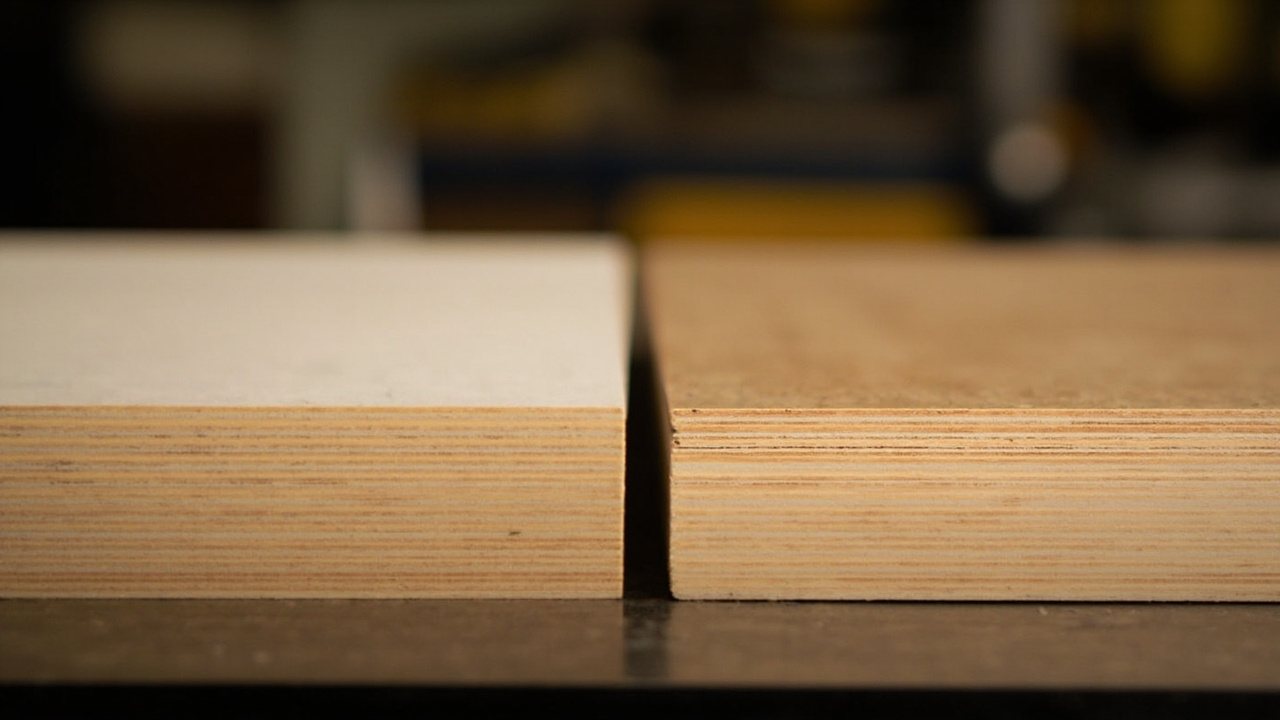
A subtlety that catches many buyers is whether the colour runs all the way through the tile body. Full-body or through-body porcelain carries the same clay colour from surface to back, so a chip reveals the same colour underneath and the damage is almost invisible. Glazed ceramic and glazed porcelain both have a thin coloured glass layer on top of a different clay body, so a chip exposes the buff or grey core and becomes a visible defect. For high-traffic commercial floors, kitchens and anywhere that shopping trolleys, luggage or furniture will hit the tile, through-body porcelain is the only sensible choice. For decorative walls and feature areas where impact is unlikely, glazed ceramic is perfectly adequate and considerably cheaper.
Price, weight and the installation cost question
On a per-square-metre basis, porcelain costs roughly 20 to 40 percent more than an equivalent ceramic tile from the same factory. But the purchase price is only part of the calculation. Porcelain is denser and heavier, which raises two hidden costs: the freight bill (because the container carries more tonnes per square metre) and the installation cost (because the installer must rent a diamond-blade cutter instead of a standard score-and-snap tool). For a small bathroom wall, ceramic is almost always the cheaper landed option. For a hotel lobby floor or an outdoor patio, the longer lifespan and lower replacement risk of porcelain make it the lower total cost over ten years, even though the initial invoice is higher.
Specifying the right tile: a short checklist
When writing the purchase order, list the technical specification rather than relying on the factory to interpret "good quality tile". State the water absorption class (for example, water absorption below 0.5 percent for a bathroom floor), the PEI rating required, the breaking strength in newtons, the calibrated size and thickness, and the shade number that must match across the lot. Request the factory's ISO 10545 test report for the batch, and confirm the rectified or cushion-edge specification because rectified tiles need narrower grout joints and a flatter substrate. A specification written this way leaves no room for substitution, which is the single biggest source of quality disputes between buyers and Chinese tile factories.
Porcelain and ceramic are not competing products so much as complementary ones. Ceramic wins on price, weight and ease of cutting for decorative wall applications. Porcelain wins on density, strength and moisture resistance for any floor, any wet area and any surface that must last a decade without replacement. The right decision is the one that matches the technical specification to the location, written clearly enough on the purchase order that the factory cannot quietly downgrade it.