





Outdoor Landscape Lighting IP Rating Guide: IP65 vs IP67 vs IP68
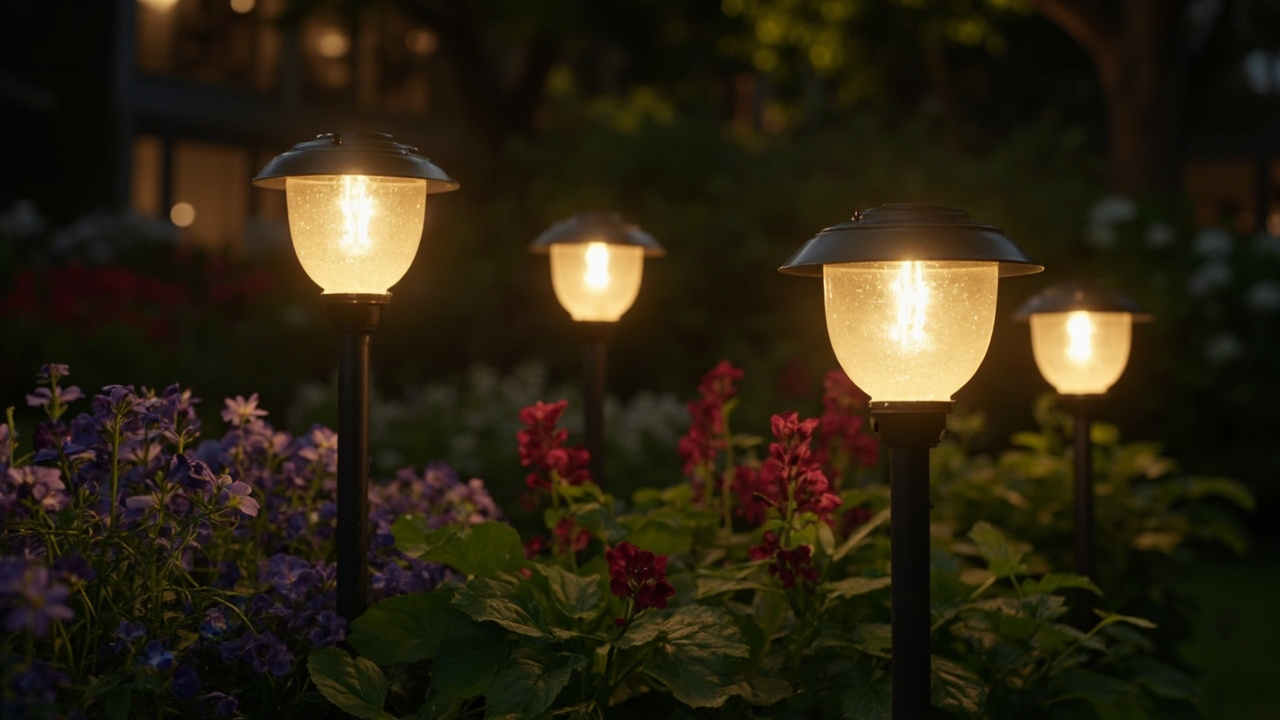
Outdoor landscape lighting is the part of a project most likely to be specified by catalogue picture rather than by water-ingress rating, and it is also the part that fails first. The mystery is rarely the LED chip; it is the seal. A fixture rated for sheltered eaves will not survive one winter of standing water, and a fixture rated for permanent submersion is overkill on a dry garden path. Decoding the two-digit IP code is the cheapest insurance a landscape buyer can buy.
The IP code in plain language
IP stands for Ingress Protection, and the two digits after it describe separate things. The first digit runs from 0 to 6 and measures protection against solid objects and dust, with 6 meaning completely dust-tight — the only rating acceptable outdoors. The second digit runs from 0 to 9 and measures protection against liquids: 4 is splashing water, 5 is water jets, 6 is powerful jets, 7 is temporary immersion up to one metre for thirty minutes, 8 is continuous immersion beyond one metre, and 9 is high-pressure high-temperature jetting. A common mistake is reading only the second digit; an "IP54" bollard lets dust into the driver compartment even though it shrugs off a hose. Always insist on a first digit of 6 for landscape work.
IP65, IP67 and IP68: choosing the right depth
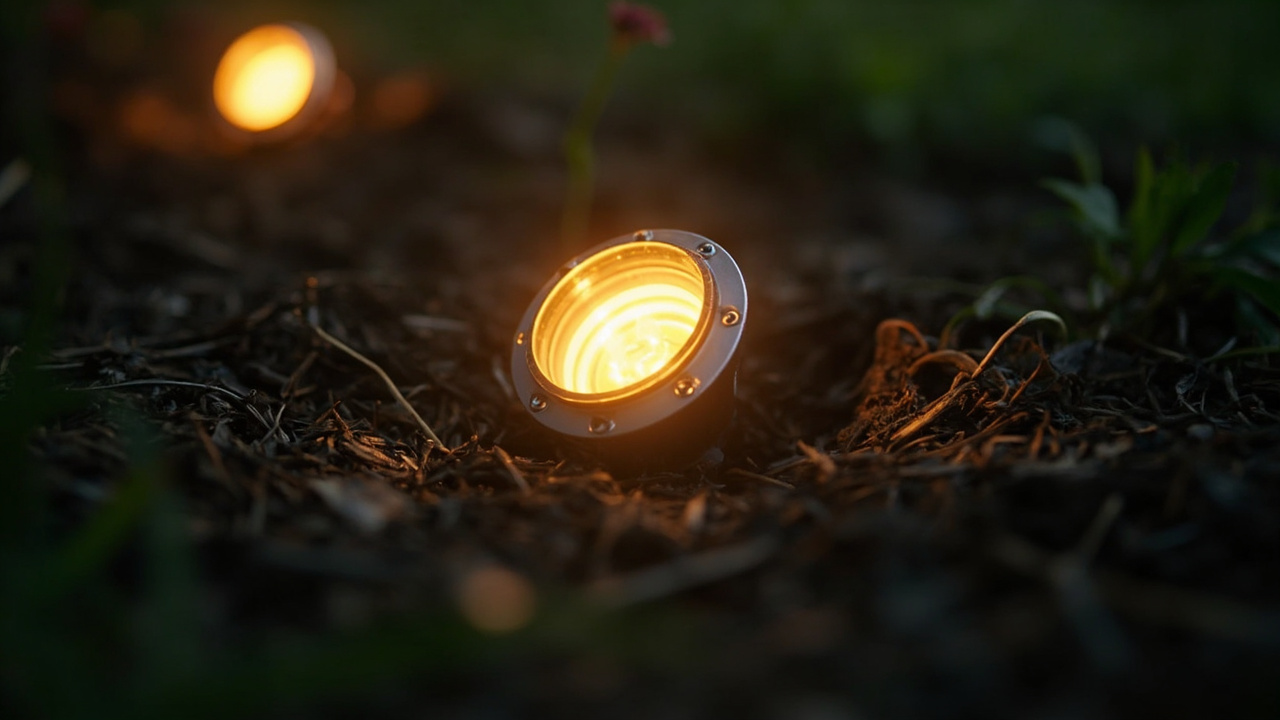
IP65 is the workhorse rating for wall-mounted sconces, soffit downlights and pathway bollards that sit above ground level and only see rain. It seals against dust and low-pressure water jets, which is enough for any fixture that drains naturally. IP67 raises the bar to temporary immersion, making it the correct choice for garden spike lights installed in flower beds where sprinklers and heavy rain pool the soil. IP68 means the fixture can run continuously underwater, which is mandatory for in-ground burial lights recessed flush with paving, pond lights, and any luminaire set into a driveway where it will be pressure-washed. The price gap between IP65 and IP68 is real but small compared with the cost of digging up a paved drive to replace a failed burial light.
Materials, burial depth and coastal corrosion
Water is only half the enemy; corrosion is the other. Powder-coated aluminium survives five to eight years inland but pits and blisters in three years within five kilometres of the sea. For coastal projects, specify 316-grade stainless steel, brass or copper bodies — the same marine grades used on boat fittings — and polyurethane-sealed cable glands rather than the cheap PVC ones that crack under UV. Burial depth matters too: an in-ground light needs a housing at least 200 mm deep with a drainage bed of gravel beneath it, because a light sitting in pooled groundwater will fail regardless of its IP rating. Spike lights should push at least 150 mm into the soil so they stay plumb after the first heavy rain loosens the surface.
Solar versus wired, and the hidden cost of both
Solar spike lights tempt buyers with zero wiring cost, but the economics change over a project life. A solar fixture relies on a lithium battery that loses thirty percent of capacity within two years of daily cycling, and replacing batteries across a hundred-unit garden quickly costs more than a buried cable run. Wired low-voltage systems — typically 12V or 24V DC fed from a central transformer — have a higher upfront labour cost but deliver consistent brightness, dimming and a service life of ten years or more. The smart compromise for large projects is wired primary lighting along paths and structures, supplemented by solar accents in spots where trenching is impractical. Whichever route is chosen, demand UV-resistant cable, IP68 cable junctions buried in gel-filled connectors, and a transformer rated for at least 150 percent of the connected load to survive inrush current.
Landscape lighting sourced in China can match the durability of European marine brands at a fraction of the price, but only when the IP rating, the body material and the burial detail are written into the specification. Read the second digit for water and the first digit for dust, match the rating to the actual installation depth, and treat any coastal project as a marine application. Done this way, the garden looks as good in the fifth season as it does in the first.