






One-Stop Building Materials: Why It Saves Time and Money

Coordinating twenty or more separate suppliers is a logistical nightmare that drains time, inflates cost and invites quality gaps. A one-stop building-materials partner handles design, sourcing, quality control, packing and shipping under a single roof, turning a fragmented process into a managed one. This guide explains why the model works and where it delivers the most value.
1. One point of contact, one accountable team
With twenty suppliers you juggle twenty salespeople, twenty contracts and twenty shipping schedules. A one-stop partner collapses that into a single coordinator who owns the whole project. When a problem appears, there is one team to call, not a chain of vendors pointing at each other.
2. Consolidated containers cut freight cost
Shipping cabinets, tiles, doors, lighting and sanitary ware separately means partially filled containers and wasted volume. A one-stop supplier packs the full material list into shared containers, which can cut sea-freight cost per project by 20 to 40 percent and reduces the carbon footprint of the shipment.
3. Consistent quality across categories
When every category comes from a different factory, quality standards drift. A one-stop partner applies a single inspection standard across all materials, so the tiles, cabinets and lighting arrive matching in grade and finish. The result is a cohesive final installation rather than a patchwork of mismatched tiers.
4. Unified design and colour coordination
For hotels, villas and show apartments, visual consistency is the difference between premium and average. A one-stop team can coordinate door colour with cabinet tone, tile veining with countertop, and lighting colour temperature with wall paint, because the decisions are made together rather than in isolation.

5. One quality-control and packing standard
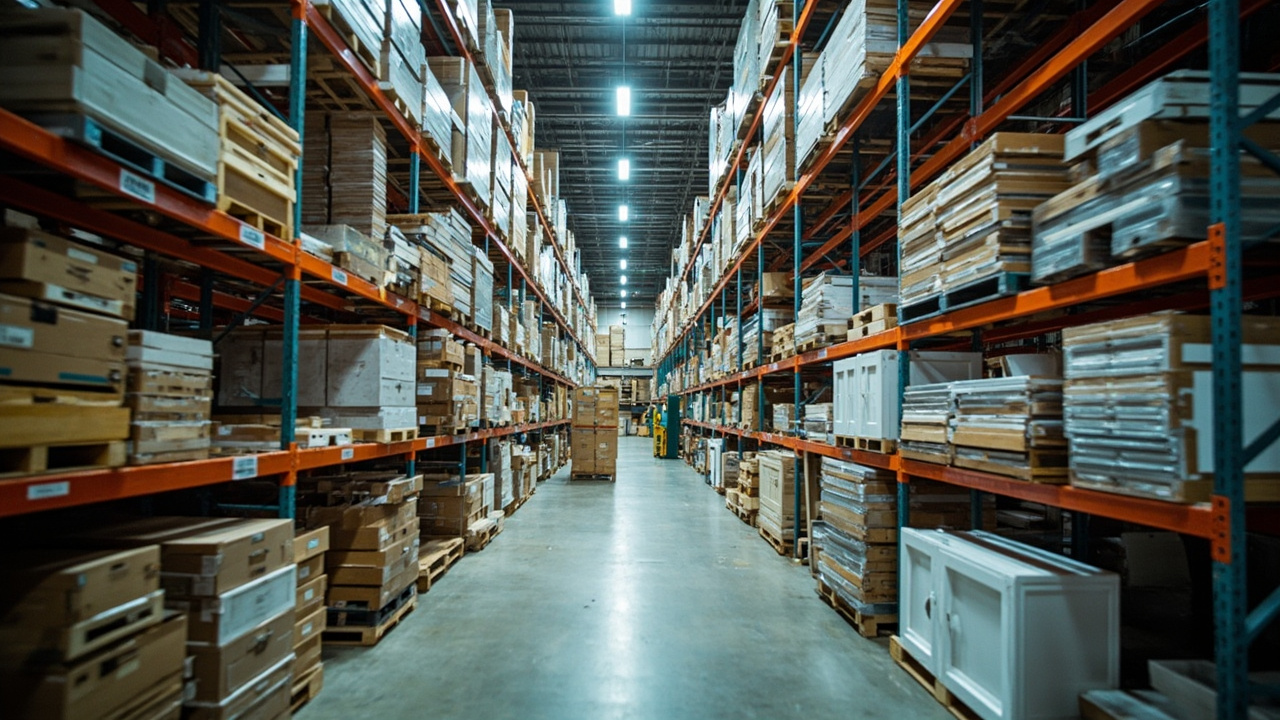
Pre-shipment inspection is far more reliable when one team checks every category against one checklist, in one warehouse, before loading. Packing standards also unify: carton strength, corner protection and pallet strapping follow the same rule set, which dramatically reduces transit damage.
6. Faster timeline, fewer surprises
Because sourcing, production and inspection run in parallel under one schedule, the overall timeline shortens. A one-stop partner can also sequence production so everything is ready to load together, avoiding the common problem of one late category delaying an entire shipment.
A one-stop model is not just convenient; it is a structural cost saving. Fewer contracts, fuller containers, consistent quality and a single accountable team combine to deliver a project that is faster, cheaper and far less stressful to manage.