





Moisture Damage Prevention for Building Materials in Transit

Of all the ways a container of building materials can arrive damaged, moisture is the most insidious. There is no impact, no dropped carton, no visible mishap; instead the goods simply sweat inside a sealed steel box for three or four weeks and emerge warped, mildewed, rusted or delaminated. The phenomenon is real, measurable, and almost entirely preventable. This article explains the physics behind container rain, the products and habits that stop it, and the specific protections needed for the most vulnerable cargo categories.
Why container rain happens
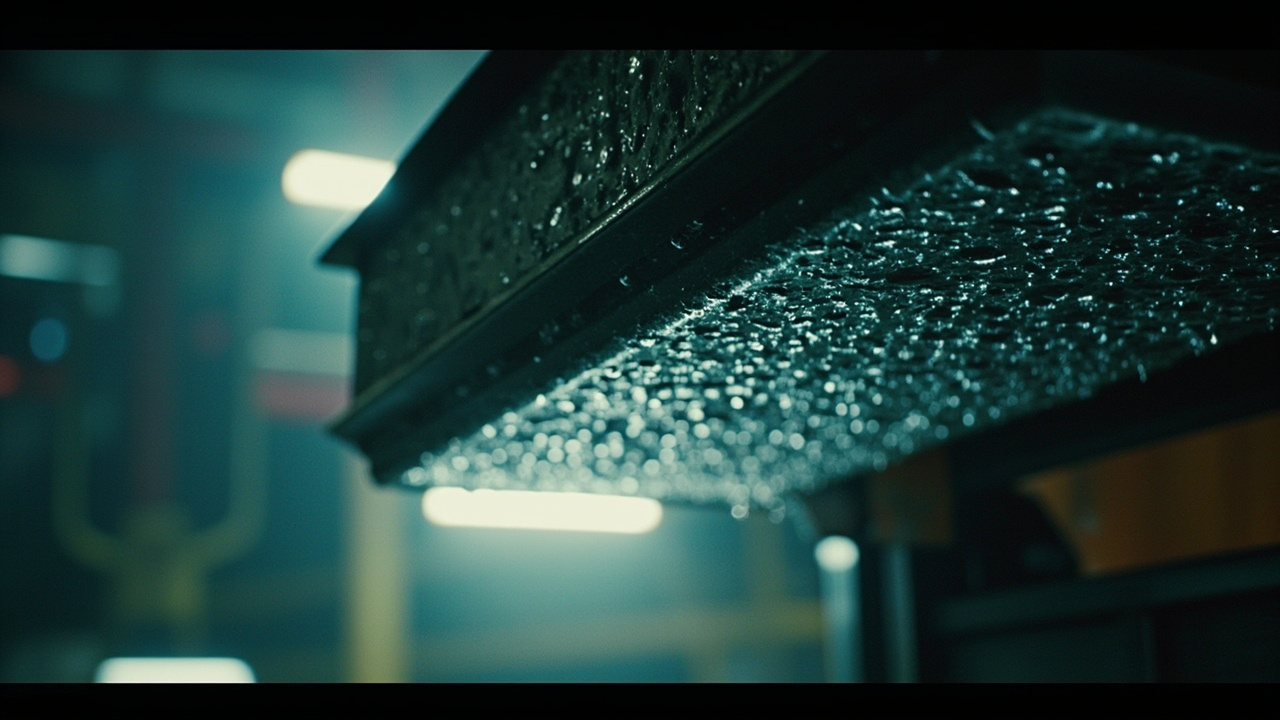
A sealed shipping container behaves like a closed atmosphere. During the day, the steel walls under tropical sun heat up sharply and the air inside warms with them, allowing it to hold more water vapour. That vapour comes from the cargo itself, from wooden pallets, paper cartons, and from any moisture trapped at loading. At night the walls cool rapidly, often ten degrees or more, and drop below the dew point. The moisture that the warm air was carrying condenses on the coldest surface in the box, the steel ceiling, and drips back down onto the cargo. This cycle repeats daily across an ocean crossing, and the accumulated dripping is what the industry calls container rain.
Desiccants: the right type and the right quantity
Desiccants are the primary weapon against container rain, but only if specified correctly. Three families are common in export. Silica gel absorbs well at low humidity but releases moisture again when saturated, so it is poor for long voyages. Clay desiccants are cheap but low capacity. Calcium chloride based desiccants, sold under various brand names as container poles, poles or hanging strips, absorb many times their own weight and trap the water as a gel that will not re-release. For a 40-foot container of moisture-sensitive cargo, the practical starting point is 20 to 30 kilograms of calcium chloride desiccant, hung from side-wall hooks so that the absorbed water drips into the pouch and not back onto the cartons. The exact quantity scales with cargo type, route and season; a transit through the Indian Ocean in monsoon demands more than a winter crossing to the North American west coast.
The moisture-sensitive cargo categories
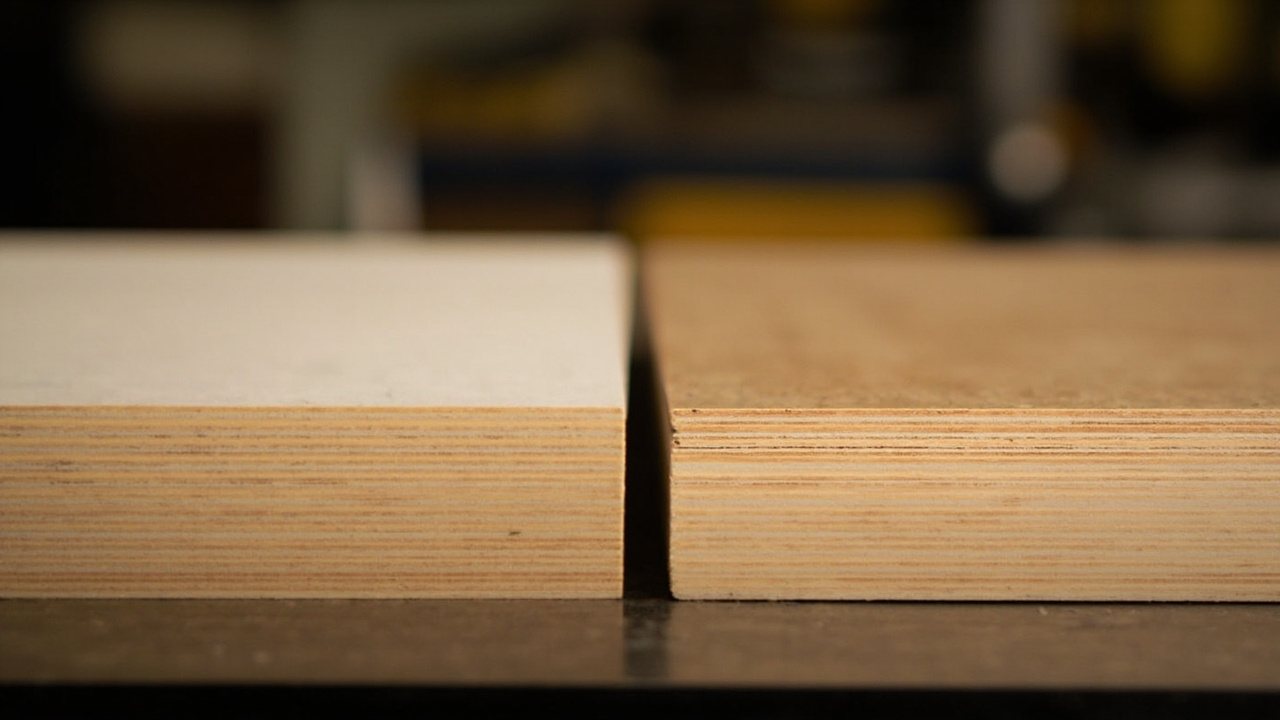
Not all cargo needs the same protection. Kitchen and wardrobe cabinets are among the most vulnerable because MDF and particleboard absorb moisture, swell at the edges, and warp. Finished surfaces can blister and PVC edge banding can peel. For cabinet orders, combine desiccants with a moisture barrier: line the container floor with kraft paper, ensure cartons are sealed, and consider a polyethylene liner bag for full-container loads. Furniture and mattresses share the same risk profile, with the added danger of mould on fabric and foam. Sanitary ware and ceramics are not themselves moisture-sensitive, but their cartons are, and a collapsed carton offers no protection to the product inside. Solid wood flooring and staircases can cup and twist. For any of these categories, a pre-loading moisture content check on the wooden components, ideally below 12 percent, catches problems before they ever reach the container.
Metal parts and the role of VCI
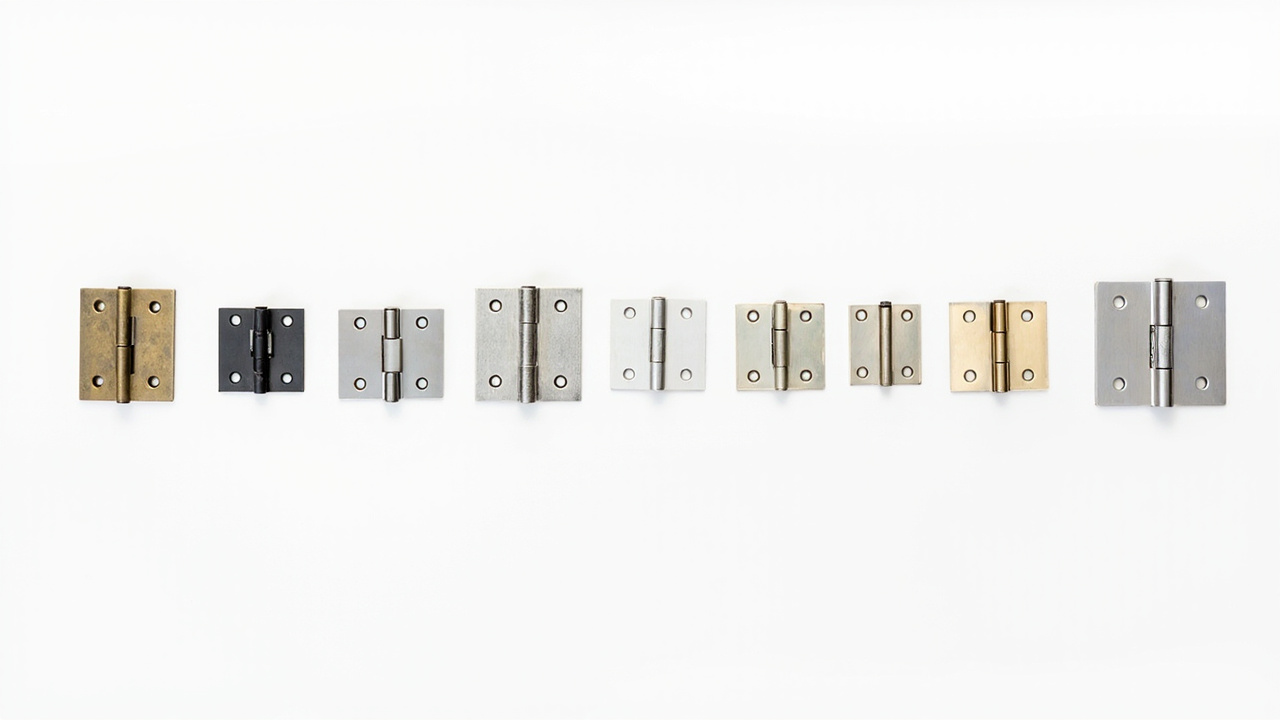
Metal components face a different threat. Hinges, drawer slides, faucet bodies, door handles and steel frames can corrode even without visible water, when humidity alone is high enough to form a microscopic film of moisture on the surface. The defence is Volatile Corrosion Inhibitor paper or film, usually abbreviated VCI. VCI releases molecules that settle on the metal surface and form a protective layer one molecule thick, interrupting the electrochemical reaction that produces rust. For small metal parts, wrap each carton with VCI paper; for larger assemblies such as window or door frames, slip VCI film over the bundle. VCI is product-specific, so confirm the grade matches the metal: a VCI formulated for ferrous steel will not protect brass or zinc, and vice versa.
Documentation, claims and the cost of skipping protection
Moisture damage claims are notoriously hard to win because the damage appears days or weeks after delivery, when the goods have left the supervised chain of custody. The defence is documentation at every stage: a pre-loading container condition report noting the dryness of the box, a loading record showing the number and placement of desiccant bags, photographs of VCI-wrapped metal, and a moisture content reading on the wooden goods. When the container arrives, inspect within 48 hours and photograph any damage immediately, before the goods are moved into storage. Marine insurance policies often exclude inherent vice, damage caused by the natural behaviour of the goods themselves, so a moisture claim succeeds only when the buyer can prove the damage arose from abnormal transit conditions rather than from the cargo own moisture content. The cost of 30 kilograms of desiccant and a roll of VCI paper is trivial against the value of a full container; the cost of skipping them is a claim that rarely pays.
Moisture is the one damage mode that is fully predictable and almost fully preventable. Every building-material buyer who has received a mouldy container vows never to repeat the experience, and the recipe to avoid it is the same every time: a dry container, a dry floor, calcium chloride desiccant hung above the cargo, VCI on every metal part, and full photographic documentation of all of it. Treat these as standard line items on every ocean shipment, and the container that arrives will look like the container that left.