





Modern Luxury Furniture Design Ideas for 2026 Projects
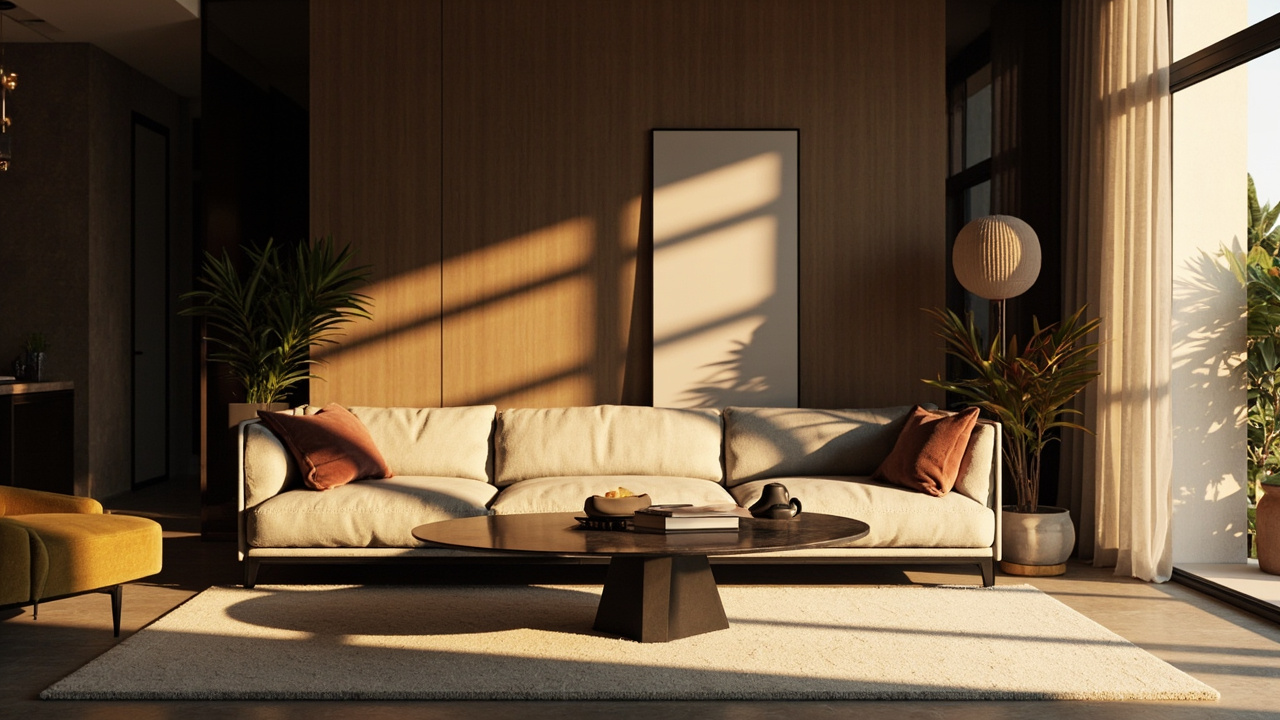
Modern luxury furniture in 2026 is no longer about obvious logos or gold trim — it is about restrained materials, generous proportions and a calm palette that lets the architecture breathe. For hotels, villas and show apartments, the furniture must read as expensive in a photograph while surviving real daily use. Five directions below deliver that combination reliably.
1. Sintered stone as the signature surface
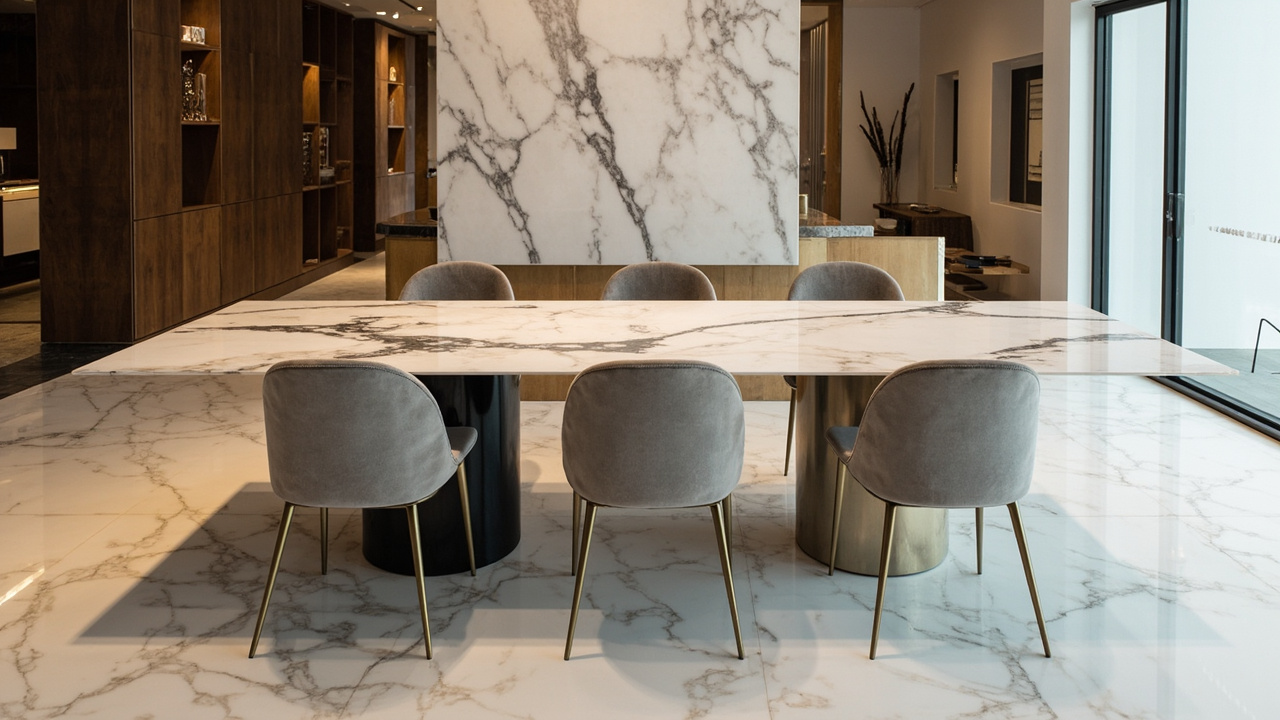
Sintered stone (rock slab) has become the defining luxury surface of the decade. A dining table with a 12 mm sintered stone top on a brushed brass or matte black base reads as bespoke at a fraction of the cost of solid marble, and it shrugs off red wine, hot pans and knife scratches. The same material on a coffee table or a sideboard front ties the room together.
2. Low, deep modular sofas
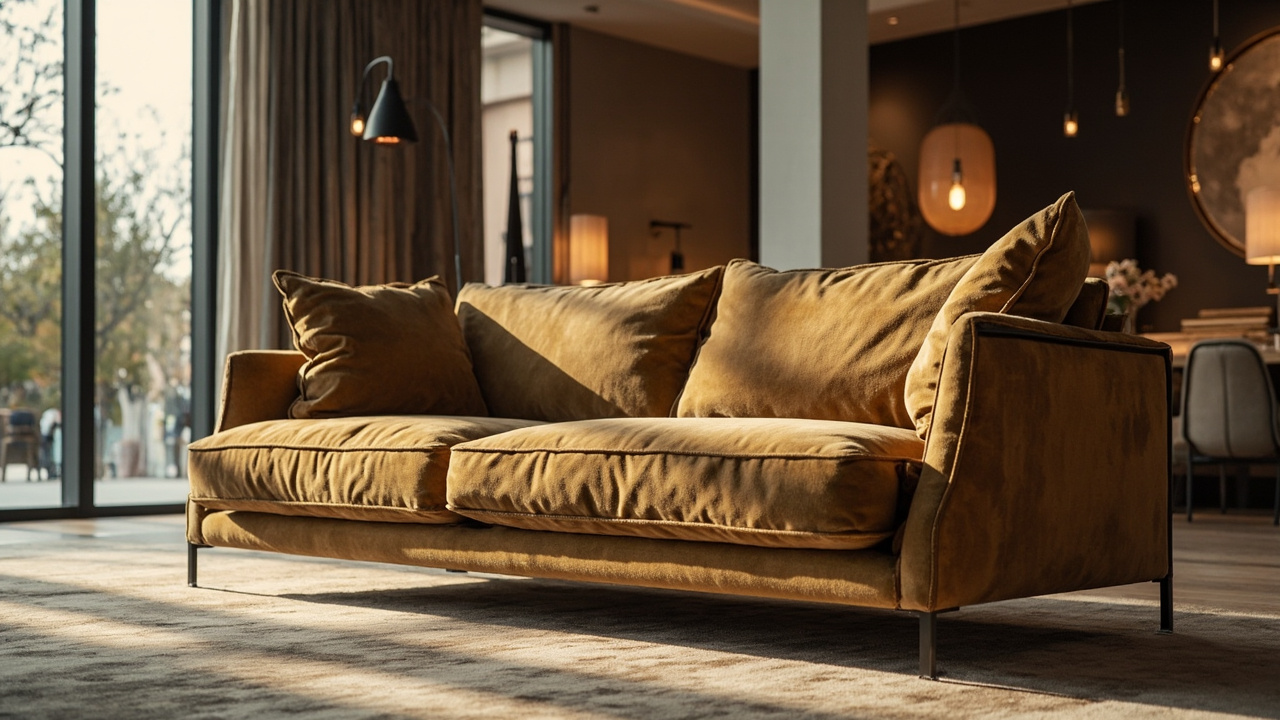
The luxury sofa of 2026 sits low (seat height around 42 cm) and reads wide, with loose back cushions that look casual and feel expensive. Modular sections allow the same sofa to suit a villa living room or a hotel lobby by adding or removing units. Upholster in a textured boucle or a soft linen blend in warm neutrals — cream, oatmeal, taupe — and avoid high-gloss leather, which now reads as 1990s rather than luxury.
3. Warm metals as accents, not structure
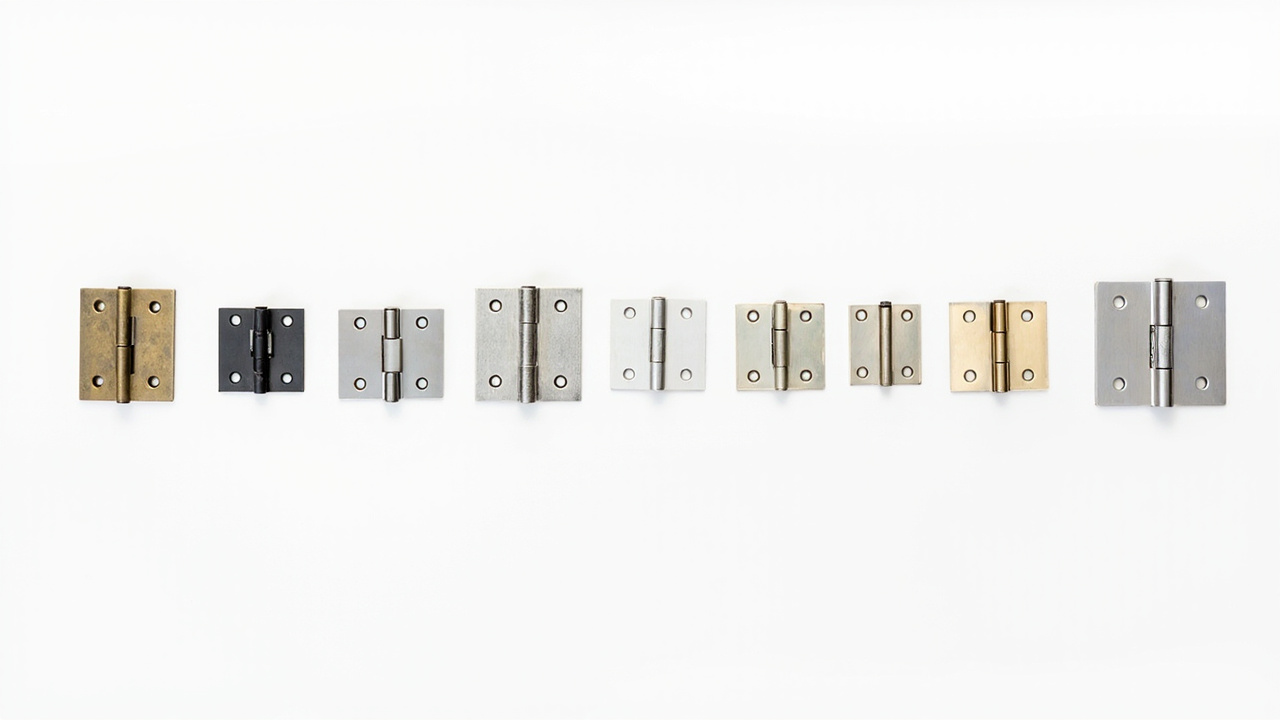
Brushed brass, antique bronze and blackened steel used as thin accents — a table base, a drawer pull, a shelf bracket — add the warmth that chrome cannot. The rule is restraint: one metal finish per room, used on thin lines rather than chunky frames. A dining table with a brushed brass base and a stone top is the 2026 signature look.
4. Curves and soft geometry
After years of rectilinear minimalism, curves are back — round dining tables, curved sofa backs, organically shaped coffee tables. Curves soften a room and read as bespoke because they require more skilled upholstery and joinery. For project buyers, specify curves on one or two hero pieces per room rather than throughout, to control cost.
5. Tactile natural materials
Luxury in 2026 is felt as much as seen. Travertine with its natural pits, oak with visible grain, full-grain leather with patina, and linen with slubs all signal craftsmanship through touch. Pair these with the brushed metals above for a layered, richly textured room that photographs with depth.
For a project buyer, the strategy is to choose one hero material per room (stone, boucle, brass) and repeat it across two or three pieces, rather than to specify many materials across many pieces. Restraint reads as luxury; abundance reads as clutter. A dining table, a sofa and a sideboard in a coherent palette will always outsell a catalogue of competing statement pieces.