





Modern Kitchen Design Trends 2026: Colors, Materials and Layouts
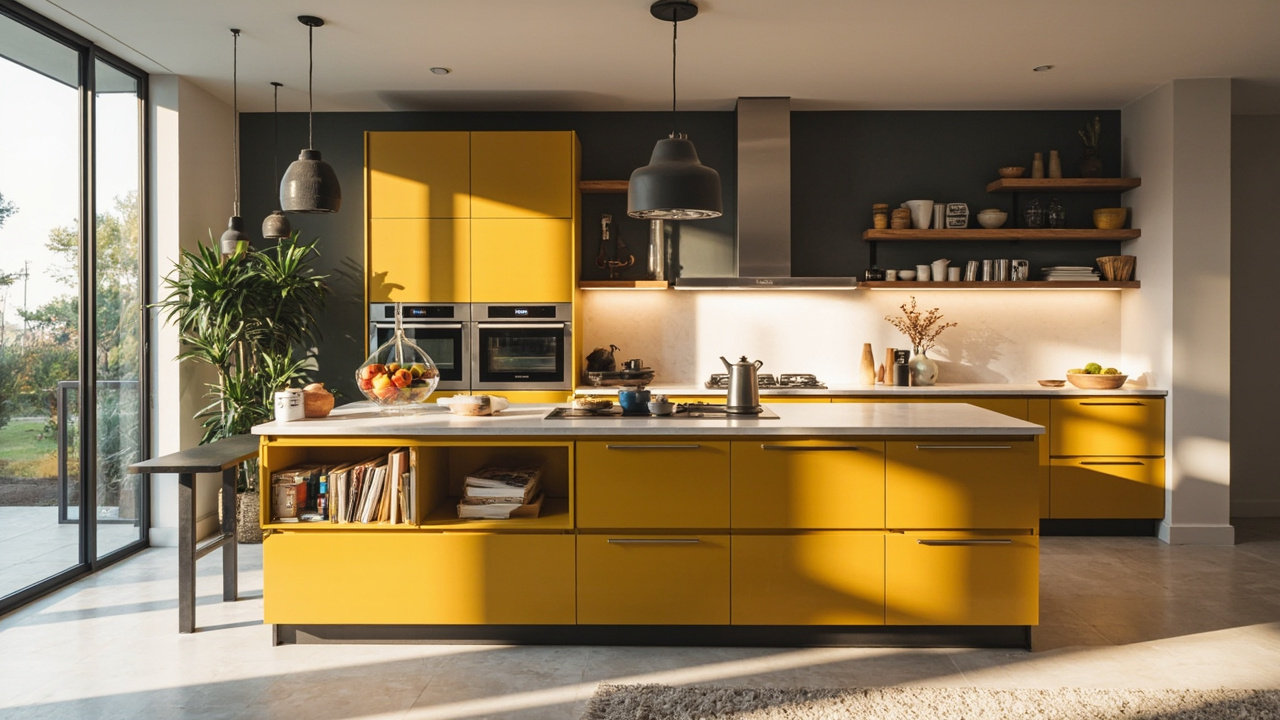
Every year the kitchen moves a little further away from the showy all-white showroom and a little closer to a room that feels lived in. The 2026 season confirms that shift: buyers want surfaces they can touch, colours that calm down a busy household, and storage that hides the clutter of daily cooking. For project buyers specifying kitchens at scale, the challenge is turning those soft trends into hard purchase orders. This guide breaks down the directions that matter and the exact specifications behind them.
Two-tone cabinetry and warmer wood returns
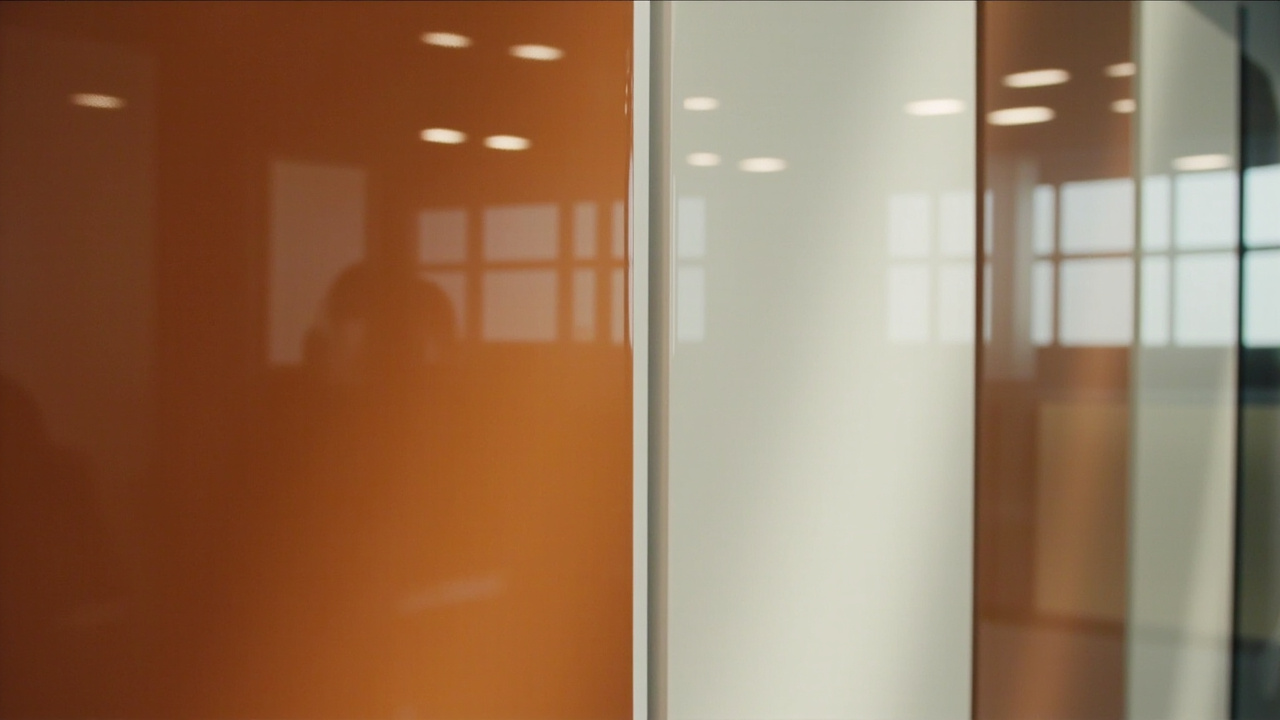
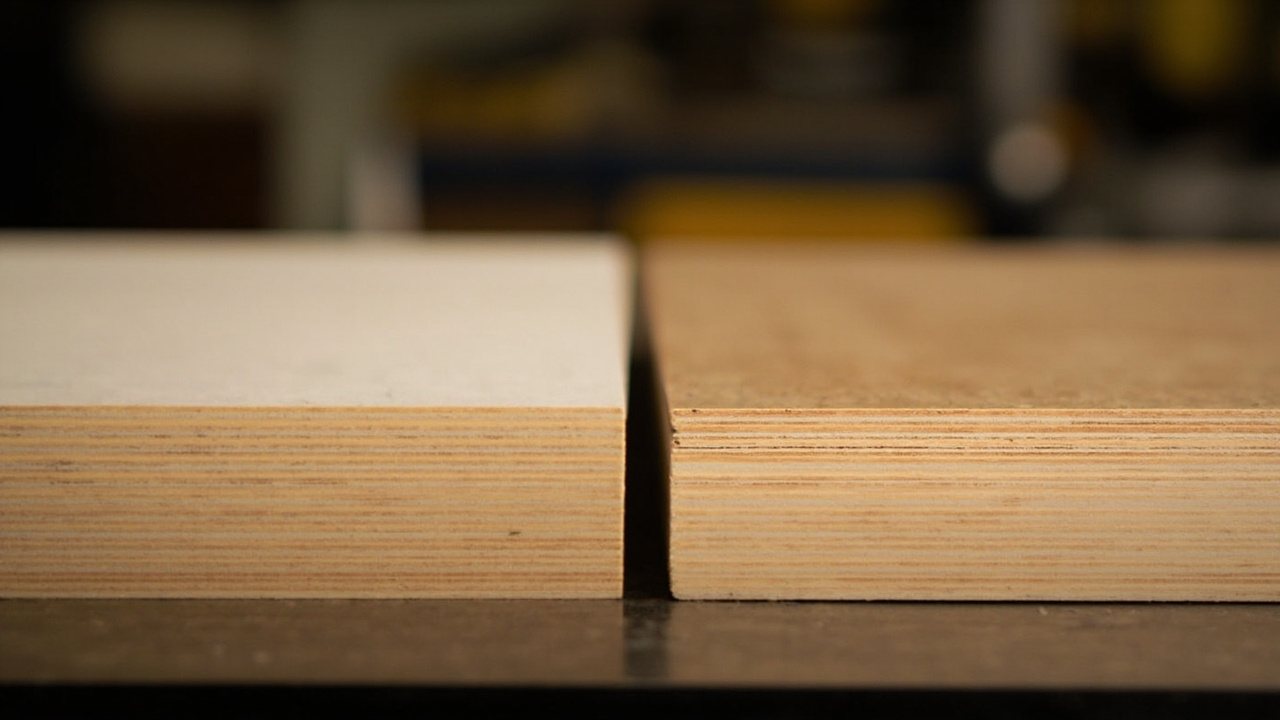
Two-tone kitchens, where the base cabinets differ in colour from the wall cabinets, are no longer a novelty but a default choice for medium and high-end projects. The 2026 reading of this trend leans toward a deeper contrast: matte dark green, deep navy or graphite on the lower run, paired with light oak or ash veneer above. Specifying this in production means defining the lower carcase finish (typically a textured melamine or PET film in an 18 mm board), the upper door material (natural engineered veneer with a satin UV lacquer), and confirming that edge banding matches both. Buyers should request cross-section samples of every door so the contrast reads correctly under both warm and cool light.
Fluted glass, reeded fronts and tactile surfaces
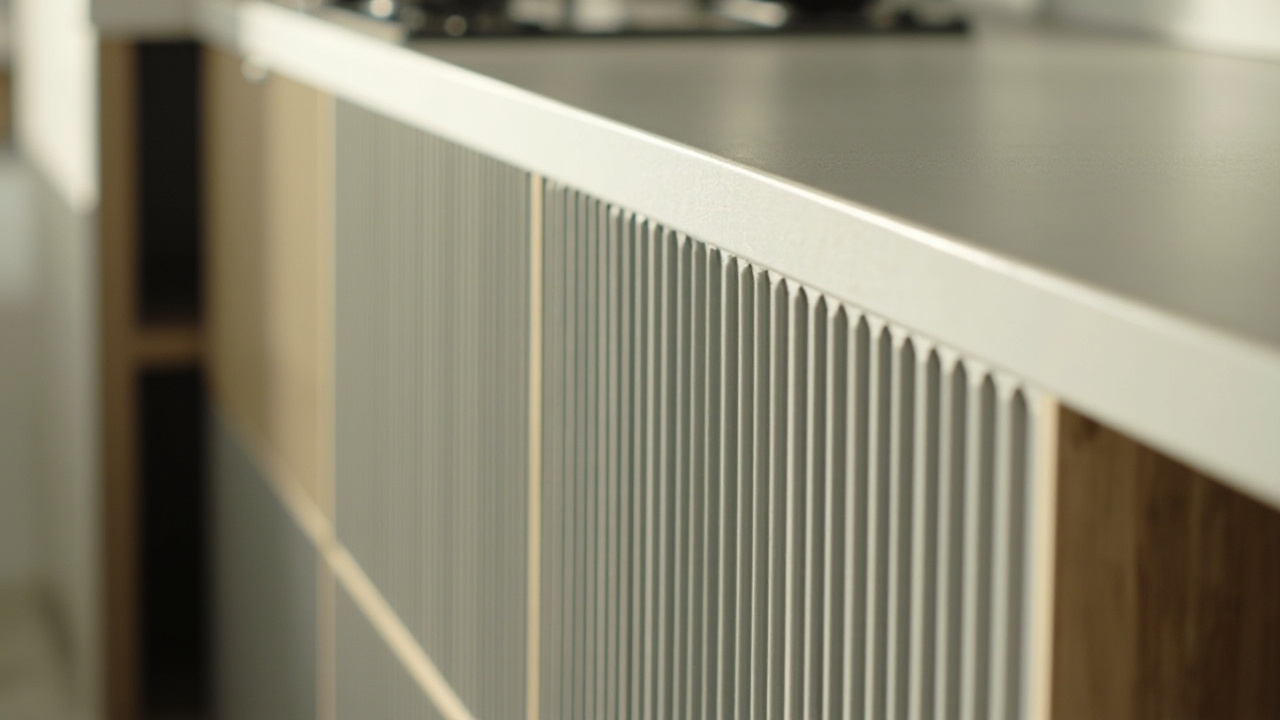
Texture is the word that defines 2026. Fluted glass panes in tall cabinets replace plain clear glass, and reeded or ribbed timber fronts appear on pantries and beverage stations. For sourcing, this means requesting vertical-fluted tempered glass (typically 5 mm with a 6 to 8 mm pitch reed) and matching aluminium frames in a black, champagne or brushed bronze finish. Reeded wood fronts are produced by CNC routing MDF panels before veneering or by bonding pre-fluted solid laths onto an MDF substrate; the second method costs more but holds its profile better over time. Either way, request a 300 mm sample panel before approving the bulk order.
Warm metallics and the slow retirement of chrome
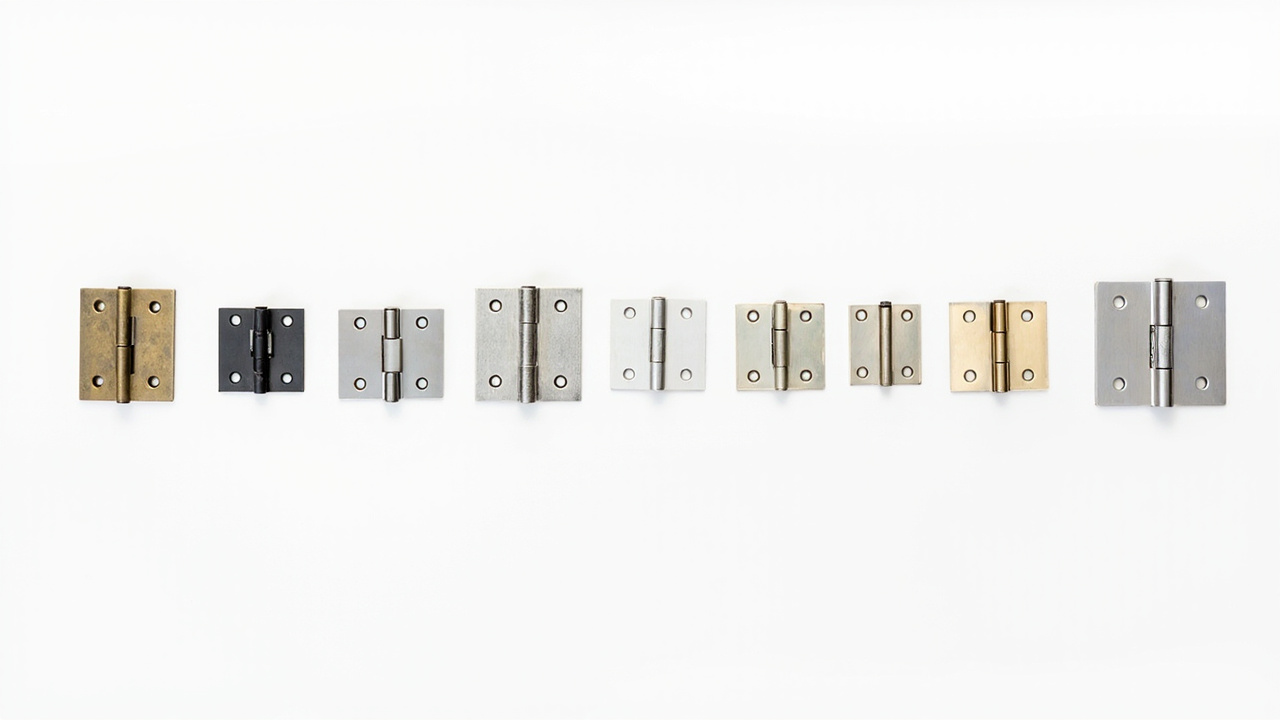
Brushed brass, champagne bronze and brushed nickel have overtaken polished chrome in the specification sheets of design-led projects. These warmer finishes pair naturally with both wood and stone, and they hide water spots far better than mirror chrome. When sourcing taps, handles and pendant frames, ask whether the finish is PVD (physical vapour deposition) or electroplated. PVD finishes on brass bodies offer superior corrosion and abrasion resistance and are now standard in hospitality-grade fittings. A typical brushed bronze PVD handle in a 128 mm centre-to-centre size costs only marginally more than chrome, but it carries the whole room.
The oversized island as the new heart of the home
The kitchen island keeps growing. In 2026 project briefs, a 2.4 to 3.2 metre island with seating for three or four has become the norm in family housing, while apartment developments still favour a compact 1.6 to 2.0 metre version. Specifying a large island is not just about the worktop. Buyers must also specify the structural support for a stone overhang of more than 300 mm (steel brackets or concealed corbels), the positioning of power outlets to meet code, and the integration of a downdraft extractor or ceiling hood if cooking is moved to the island. Sintered stone and large-format porcelain slabs in 1600 by 3200 mm are the dominant worktop materials because a single slab can dress both the top and the waterfall side without a visible joint.
Sustainable materials and smarter storage
Sustainability has moved from a marketing line to a procurement requirement. Specifiers now ask for boards with low formaldehyde emission (E0 or CARB P2), veneers from FSC-certified logs, and finishes with low VOC content. On the storage side, the demand is for less visible clutter: tandem pull-out larders, internal drawer systems within drawer systems, concealed bin sorting and integrated appliance garages. When briefing a factory, list every internal fitting as a line item with a brand preference (for example a specified soft-close tandem box) rather than leaving it to the supplier, because the storage hardware is where cost-cutting quietly happens.
None of these trends is exotic. What changes in 2026 is the level of detail buyers are expected to provide up front. A clear specification covering door material, glass type, metal finish, island structure and internal hardware turns a trend mood board into a container that lands on time and matches the rendering. That translation, from idea to bill of materials, is where a good kitchen sourcing partner earns its fee.