





Mattress Sourcing Guide for Hotel Projects: Spring, Foam and Pocket Coil
The mattress is the single item that most determines whether a hotel guest writes a good review or a bad one, yet it is also the item most commonly specified by price alone. A cheap mattress saves fifty dollars per room at the factory and costs thousands in lost bookings when the reviews collapse. The buyers who source hotel mattresses from China successfully are the ones who treat the mattress as an engineering product defined by spring type, firmness, ticking and fire barrier — not as a soft commodity bought by the kilogram.
Spring type: Bonnel, pocket coil and memory foam
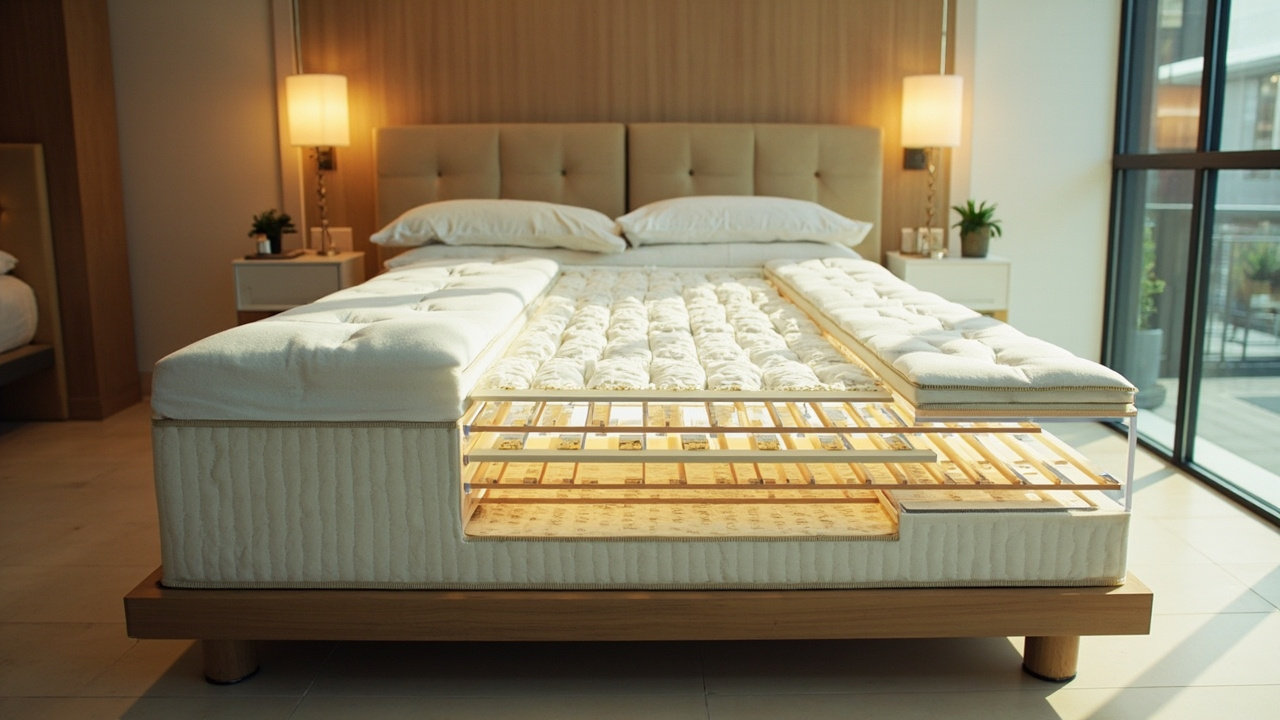
Three spring systems dominate hotel sourcing, and each serves a different guest profile. The Bonnel spring is an hourglass-shaped coil wired together in a single grid; it is the cheapest option, offers a bouncy traditional feel and is acceptable for budget and three-star properties where the average stay is one night. The pocket coil — each spring individually wrapped in a fabric pocket and glued into a matrix — is the workhorse of four and five-star hotels because it eliminates motion transfer between two sleepers, so a restless partner no longer wakes the other. Memory foam (also called viscoelastic foam), either as a top comfort layer over springs or as a full foam block, conforms to the body and relieves pressure points, which is why it dominates the premium resort market. The decision should follow the brand promise: Bonnel for budget, pocket coil for mainstream comfort, memory foam or a hybrid pocket-and-foam design for premium.
Firmness, ticking and the fire-retardant barrier
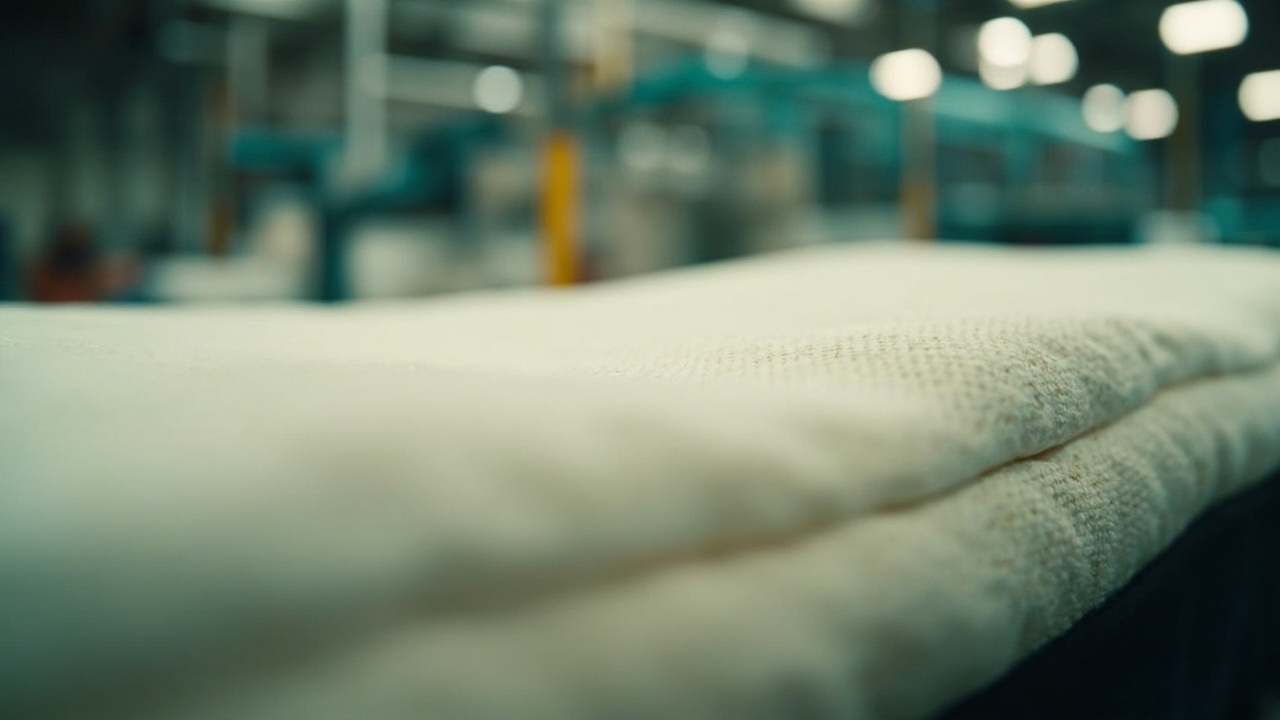
Firmness is measured on a one-to-ten scale, where one is feather-soft and ten is board-firm, and hotel mattresses sit in the medium range of five to seven because that range satisfies the widest range of guests. Specify the firmness in writing and request a foam density of at least 25 kilograms per cubic metre for the comfort layer, since lower densities flatten within a year of nightly use. The ticking — the woven fabric on the outside of the mattress — should be a knit jacquard with a weight of at least 250 grams per square metre, quilted to a thin layer of foam for a plush surface feel. The fire-retardant barrier is the layer between the ticking and the foam that slows ignition, and it is mandatory in most markets: ask for a fibreglass-free barrier (rayon or silica-based) for health and safety, and insist on a certificate for BS 7177 in the UK, CA 129 in the US or the local equivalent.
Flip versus no-flip, and the cost of housekeeping
Hotel mattresses come in two designs: flip (two identical sleeping surfaces, rotated and flipped every six months) and no-flip (one sleeping surface, rotated head-to-foot only). No-flip designs have dominated hotel sourcing for fifteen years because housekeeping staff prefer them — a king-size flip mattress weighs over fifty kilograms and flipping it risks both back injuries and damage to the room. The trade-off is service life: a well-flipped double-sided mattress lasts eight to ten years because both sides share the wear, while a no-flip mattress typically lasts five to seven. For most hotels, the labour saving of no-flip outweighs the shorter life, but for properties aiming at ten-year budgets, a double-sided flip design can be the cheaper lifetime choice. Either way, specify a reinforced edge support (a foam encasement or heavier-gauge perimeter springs) so guests can sit on the edge of the bed without the mattress sagging.
MOQ, lead time and the spare-parts plan
Hotel mattress orders run on commercial terms, not retail terms. The minimum order quantity at a Chinese factory is typically fifty to one hundred units per model, which fits a small hotel but is a barrier for a boutique sample; negotiate a smaller pilot order of twenty units at a small premium to test the mattress in real rooms before committing to a full hotel. Lead time runs thirty to forty-five days from deposit to container loading, shorter than case-goods furniture because mattresses are assembled rather than built from scratch, but plan a two-week buffer for compressed packing, sea freight and customs. Most importantly, order a spare-parts and replacement stock equal to five percent of the order — extra mattresses for the inevitable staining, tearing or flood damage that begins within the first year of operation — and store them on site or at a nearby warehouse, because air-freighting a replacement mattress costs more than the mattress itself.
A hotel mattress sourced from China can match the comfort and durability of a Western brand at a third of the cost, but only when the spring type matches the brand promise, the firmness and ticking are written into the spec, the fire barrier is certified and the replacement stock is planned. Treat the mattress as the most important piece of furniture in the room, because the guest will always judge the hotel by how they slept, and they slept on the mattress.