






LCL vs FCL Shipping for Building Materials: When to Share or Fill a Container
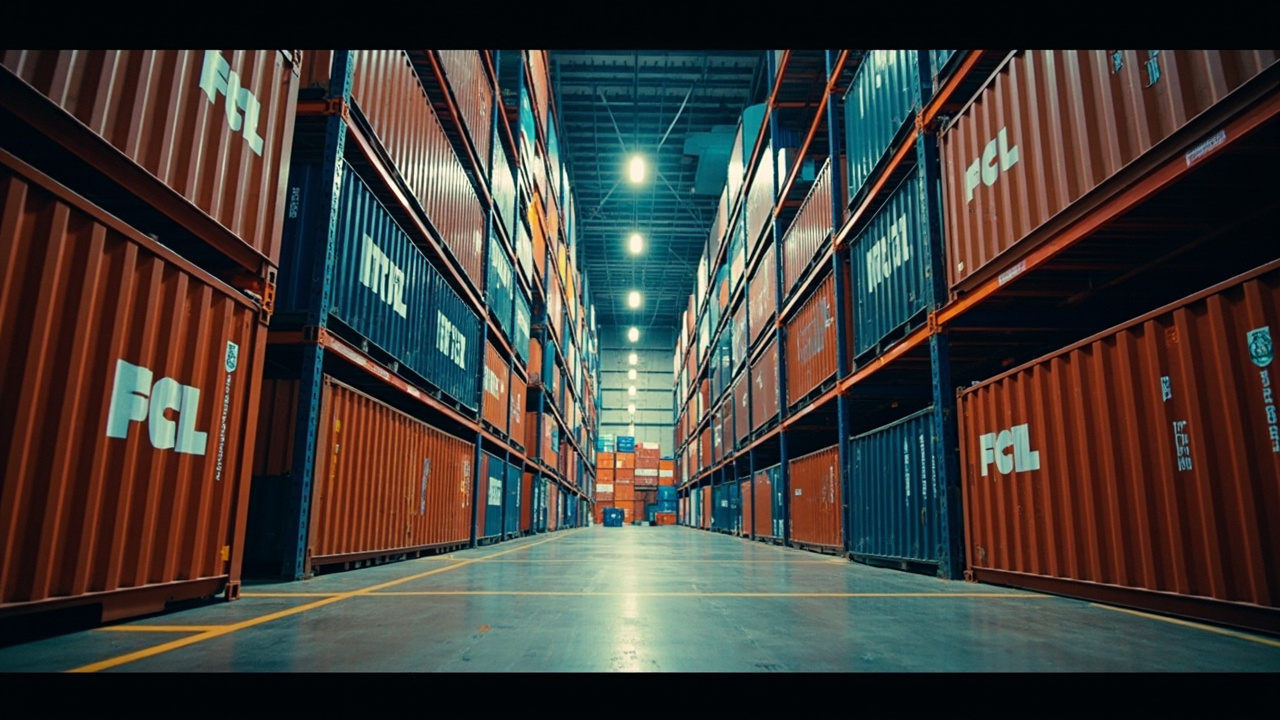
For almost every building material importer, the first logistical decision is also the most consequential: do you fill your own container (FCL) or share space with other shippers (LCL)? The wrong call can inflate landed cost by twenty percent, add two weeks to transit or saddle a project with damaged goods that never should have been consolidated. This guide explains the economics, the practical thresholds and the product-specific rules of thumb that experienced buyers use to make the LCL-versus-FCL decision confidently.
The basic economics of FCL and LCL
A full container load is a flat-rate purchase: you pay for the use of the entire twenty-foot or forty-foot box regardless of how full it is. The rate covers ocean freight, port handling at both ends and the documentary charges. A less-than-container-load shipment is priced on whichever is greater between actual weight and volume measurement, with one cubic metre roughly equal to 333 kilograms of equivalence. Because LCL is built from many small shipments, the consolidator must cover warehouse handling, devanning and the cost of assembling mixed cargo, so the per-CBM rate is significantly higher than the FCL equivalent once a shipment approaches a third of a container.
The crossover volume where FCL becomes cheaper
The general industry rule is that LCL wins on cost below roughly twelve to fifteen cubic metres, after which the per-CBM premium makes FCL the better buy. The crossover moves depending on the trade lane, the season and the product. On busy lanes with deep LCL capacity (Shanghai to Los Angeles, Shenzhen to Rotterdam) the crossover may sit closer to fifteen CBM. On thinner lanes the consolidator charges a higher base and the crossover can drop to ten CBM. The only reliable way to find the crossing point is to quote both options on the same shipment and compare the door-to-door landed figure, not just the headline freight rate.
Transit time and the devanning penalty
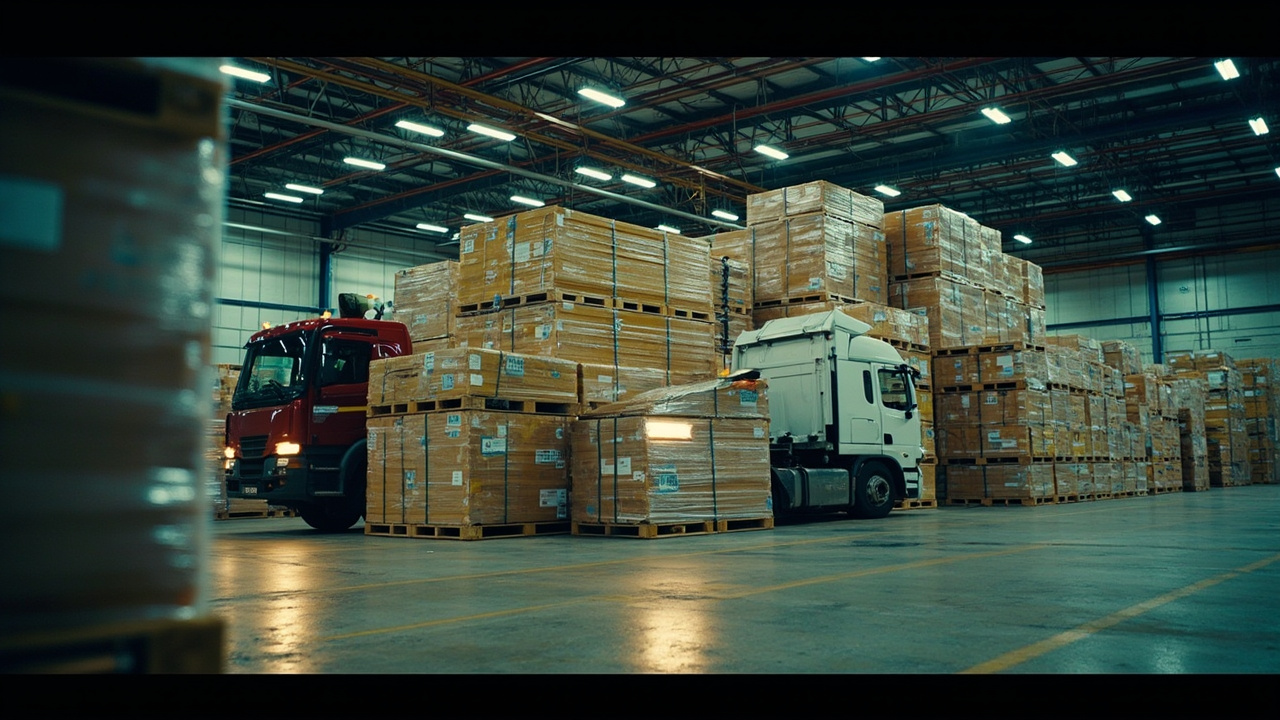
FCL containers are sealed at the factory and stay sealed until they reach the destination warehouse, so transit time equals sailing time plus port clearance plus truck delivery. LCL shipments pass through at least four extra handling steps: loading into the consolidation warehouse at origin, stuffing into a shared container, stripping out at the destination container freight station and final delivery. Each step adds days and risk. A typical LCL shipment is seven to ten days slower than FCL on the same lane, and the handling at both container freight stations is where most damage occurs as cartons are stacked, restacked and sorted alongside unrelated cargo.
Damage risk and the product-by-product guidance
The damage profile of a product should weigh as heavily as the cost comparison. Heavy, dense goods such as tiles, stone slabs and sanitaryware in cartons should almost always go FCL, because in an LCL container they will crush lighter cargo around them or be crushed by heavier freight stacked on top. Fragile finished goods such as lacquered cabinets, glass mosaics and lighting belong in FCL whenever the volume justifies it, since the devanning process repeatedly exposes them to impact. Furniture and flat-pack items are the most forgiving for LCL because they are voluminous but light, and they tolerate the mixed-cargo environment better than brittle products. As a working threshold, if a single damaged carton would force a re-order of the matching batch, ship FCL even when the LCL quote looks cheaper.
Hidden fees and how to read an LCL quote
LCL quotes are notorious for hidden fees that only surface at destination. The base rate per CBM is just the start; the buyer is also exposed to a CFS charge at origin and destination, a deconsolidation fee, a documentation fee per bill of lading, a fuel surcharge, a currency adjustment factor, an ISPS security charge and often a minimum billable volume of one or two CBM regardless of actual size. At destination, terminal handling and delivery charges can add another thirty to fifty percent to the apparent ocean cost. The only defence is to request a door-to-door, all-inclusive quote in writing and to confirm that no charges will be collected at destination beyond the stated amount. Reputable consolidators offer this transparency; the ones that do not should be treated with caution.
The LCL-versus-FCL decision is never just about price per cubic metre. It is a trade-off between cost, speed and damage risk that depends on the product, the lane and the project timeline. By quoting both options on a true door-to-door basis, building in the devanning risk for fragile goods and watching for hidden consolidation fees, you can consistently land shipments at the lowest real cost while keeping goods intact and on schedule.