





Large Format Tile Sourcing Guide: 600x1200 and 750x1500 from China
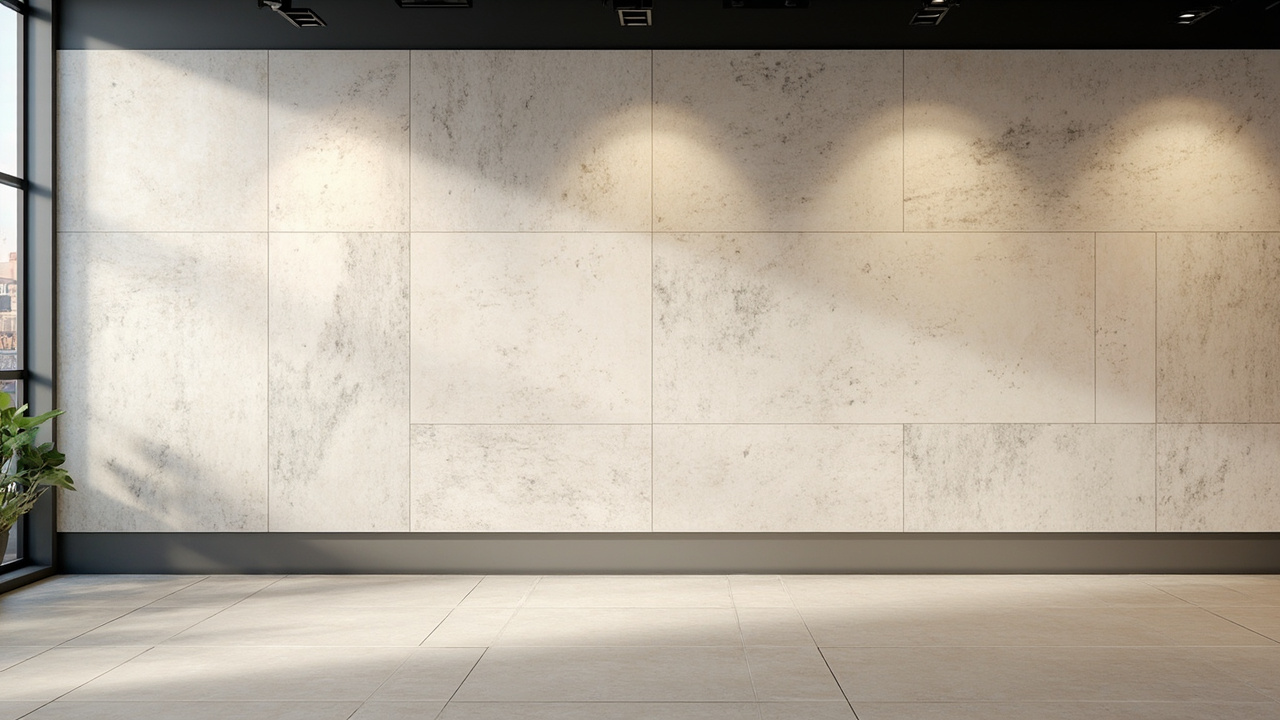
Large format porcelain tiles have rewritten the rules of interior finishing in the past decade. A single 750-by-1500 millimetre slab can cover a shower wall with barely visible joints, turn a hotel lobby floor into a continuous stone-like surface, and replace traditional marble veneer at roughly one third of the cost. But the same size that delivers the dramatic visual effect also multiplies the technical risk at every step from factory to installation. This guide explains what a project buyer must know before placing an order for large format porcelain tiles from China.
What counts as large format, and why size matters
The tile industry uses "large format" to describe any tile with one edge longer than 600 millimetres, and "slab" for tiles exceeding 900 by 1800 millimetres. The common sizes exported from China are 600 by 1200, 750 by 1500, 900 by 1800 and the increasingly popular 1200 by 2400 and 1200 by 2800 formats. Bigger is not automatically better. A 1200-by-2800 slab weighs roughly 50 kilograms, requires two trained installers with suction lifters to move, and cannot be cut with a standard score-and-snap tool. The visual gain must be weighed against the cost of thicker substrates, specialist installers and reinforced packaging.
Production capability and what it tells you about the factory
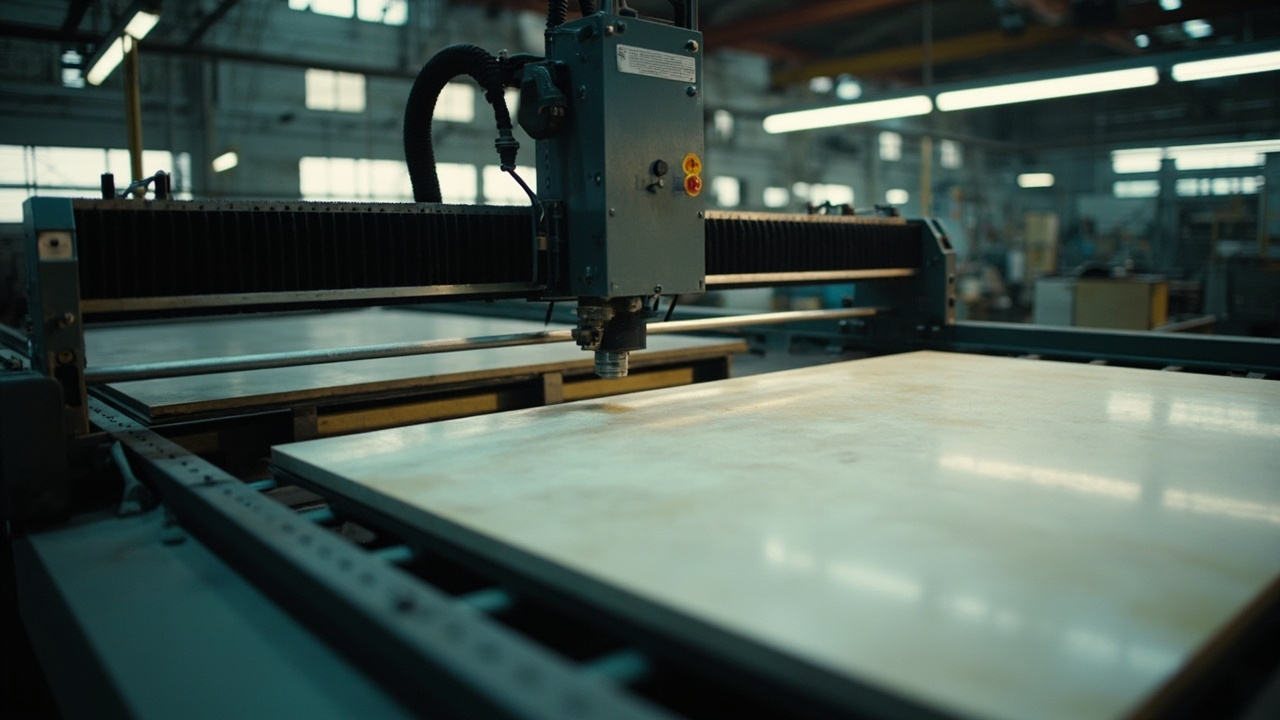
Not every Chinese tile factory can press a 1200-by-2800 slab. The press, the kiln and the polishing line must all be sized for the format, and the investment in that equipment is substantial. When you shortlist suppliers, ask three questions: the maximum slab size the press can form, the kiln width (which limits the largest dimension), and whether the factory produces its own raw slab or buys it from a slab-only specialist and only does the cutting and polishing. A vertically integrated factory with its own press offers more consistent shade control and shorter lead times, while a cutting-only workshop offers more design flexibility but more batch-to-batch variation.
Thickness, warpage and the flatness problem
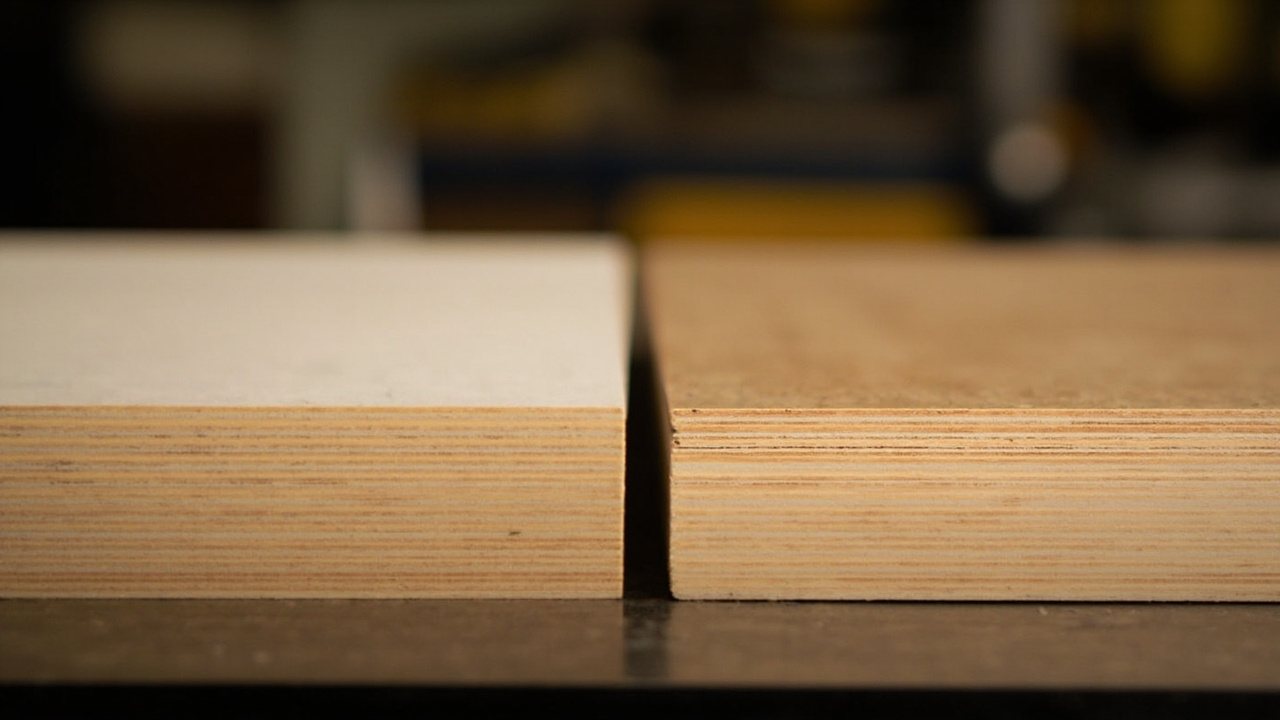
Large format porcelain is produced at three common thicknesses: 9 to 10 millimetres for standard floor and wall use, 6 millimetres for lightweight wall cladding, and 3 millimetres for veneer overlays on existing surfaces. Thinner slabs save weight and freight, but they amplify any substrate defect: a 3-millimetre slab laid over an uneven wall will telegraph every hollow and ridge. Warpage is the second enemy, measured as the deviation from flat across the diagonal of the tile. A high-quality large format slab is calibrated to warpage below 0.5 millimetres per metre. Anything above 1 millimetre per metre will produce "lippage" — the sharp lip at the grout joint where one tile sits higher than its neighbour — and lippage is the single most common complaint on large format installations.
Shipping breakage and the case for vertical packing
The breakage rate on large format tiles in transit is three to five times higher than on standard 600-by-600 tiles, purely because of the leverage a long slab exerts on itself when the container rolls. Acceptable packing for a 750-by-1500 slab uses an A-frame or vertical crate, with each tile separated by foam sheets, the crate strapped to a wooden pallet, and the pallet braced against the container walls with timber. Refuse any factory that proposes flat stacking, where tiles lie horizontally in the carton, because the bottom tiles carry the cumulative weight and crack under road vibration. Insist on photographing the braced pallets inside the container before the doors close, and verify the container seal number against the bill of lading.
Installation requirements that affect your factory choice
The factory you choose should be able to advise on installation, not just sell tiles, because large format porcelain demands specific tools and substrates. The substrate must be flat to a tolerance of 3 millimetres over 2 metres, which usually means a self-levelling screed on floors and a skimmed and sanded wall. Installers must use a large-format trowel with deep notches, a back-buttering technique to achieve full adhesive coverage, and a levelling clip system to prevent lippage. Cutting requires a bridge saw with a continuous-rim diamond blade; score-and-snap cutters will not work on slabs thicker than 9 millimetres. A factory that supplies a written installation guide in English, with trowel size, adhesive type and grout joint recommendation, is signalling that it understands how its product performs after the sale.
Large format porcelain is one of the most rewarding materials a project buyer can source from China, but only when the buying decision accounts for production capability, slab thickness, warpage control, packing method and installation requirements in a single written specification. Done well, the result is a continuous, premium-looking surface that outperforms natural stone at a fraction of the cost. Done badly, the result is a container of cracked slabs and an installation that no amount of grout can rescue.