





PVC Edge Banding Quality: What Project Buyers Must Check Before Shipping

When a kitchen cabinet arrives at a job site with a peeling edge, the fault almost never lies with the door panel, the hinge or the board core. It lies with the thin strip of PVC bonded to the raw edge of the panel. Edge banding is the single most common point of failure in imported cabinetry, and it is also the detail that factories most often quietly downgrade when a buyer pushes for a lower price. This guide explains exactly what to specify, what to inspect and what shortcuts to refuse so that the cabinets you receive in the container match the cabinets you approved in the sample.
Why edge banding decides the lifespan of a cabinet
Every cut edge of a particleboard or MDF panel is a highway for moisture. Without a sealed edge, humidity enters the board, swells the fibres and warps the panel within months of installation. The edge banding strip performs three jobs at once: it seals the board against moisture, it hides the unattractive raw core, and it protects the corner from impact when doors and drawers are slammed. A cabinet with well-bonded 2-millimetre PVC edging can survive a decade of daily use. A cabinet with under-spec 0.4-millimetre vinyl foil wrapped loosely over the edge may start lifting within the first humid season.
Thickness, material and the PVC vs ABS decision
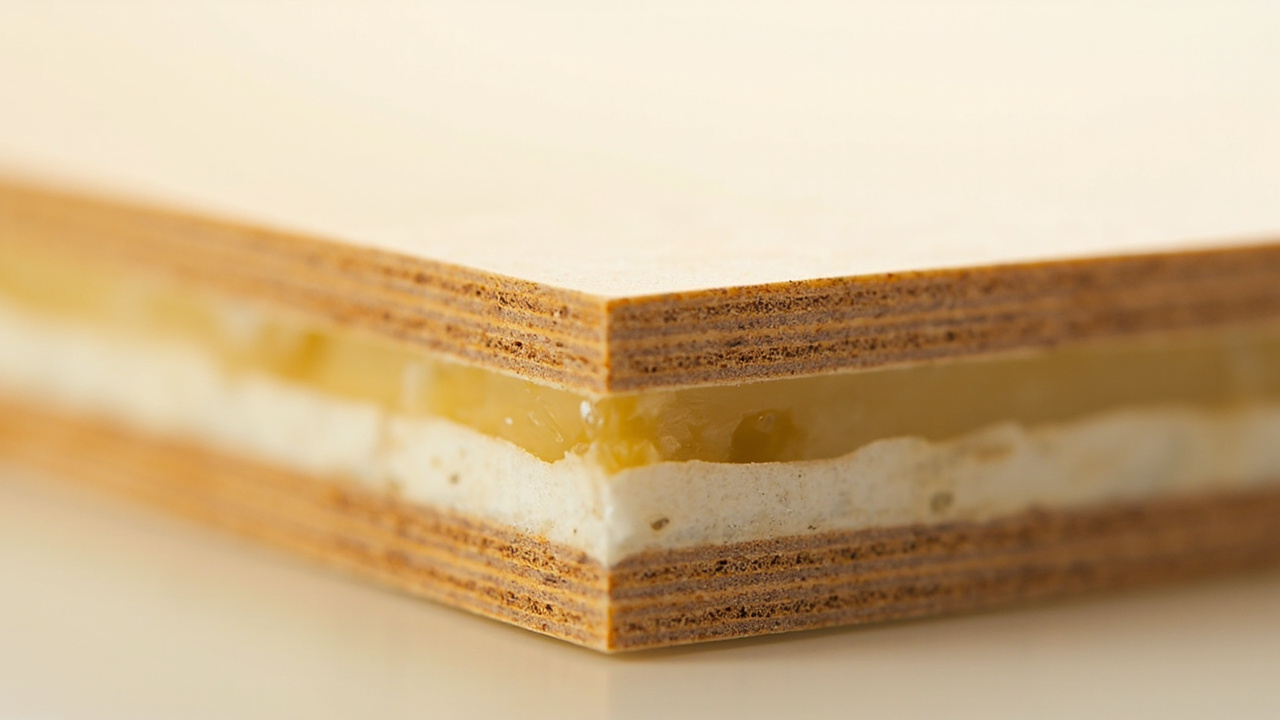
Edge banding is sold in several thicknesses, and each tells you something about durability. Foil or melamine paper tape at 0.3 to 0.5 millimetres is the cheapest option and is acceptable only on low-stress surfaces such as the back of a carcass. Standard PVC at 1.0 millimetre is the workhorse for residential kitchen doors. For commercial projects, hospitality and rental units, insist on 2.0-millimetre PVC, which resists chipping at corners and can be re-routed flush with the panel. Acrylic and ABS bands cost more but offer better impact resistance and are easier to recycle. Always state the thickness in writing on the purchase order, because a verbal agreement to use "good edging" leaves the factory free to substitute whatever is on the shelf.
The glue layer: hot-melt chemistry that buyers overlook
Even the thickest PVC strip will peel if the wrong adhesive is used. Modern edge banding lines run on hot-melt adhesives, and the chemistry matters more than most buyers realise. Standard EVA hot-melt is fine for interior cabinetry in temperate climates. Polyurethane reactive (PUR) adhesive costs roughly 30 percent more per metre but bonds chemically to the board and is the only safe choice for humid climates, coastal projects or any cabinet that will sit near a dishwasher or sink. Ask the factory which adhesive system their banding line uses, and request a written confirmation. A factory that cannot answer the question is probably running generic EVA and hoping for the best.
Colour matching, gloss level and the peel test
A visible colour mismatch between the door face and the edge strip is the kind of defect that a project buyer never notices at the factory and the end customer notices within seconds. Insist that the factory sources banding from the same supplier as the door foil or lacquer, and ask for a gloss-level match in GU (gloss units) rather than a vague "matte" or "glossy" description. Once the sample arrives, perform a simple peel test: heat a 10-centimetre section of the edge with a hairdryer for two minutes, then try to lift the band with a fingernail. A properly bonded edge will resist lifting and leave adhesive residue on both surfaces. An edge that lifts cleanly in one strip has failed the test, and the whole batch must be rejected before production continues.
Factory shortcuts that cause delamination in transit
The most damaging shortcuts are invisible until the container is opened. The first is skipping the edge-trimming step, which leaves a sharp lip of PVC protruding past the panel; this lip catches on packing material during three weeks at sea and peels the band back inch by inch. The second is running the banding line at line speed that is too fast for the adhesive to wet out properly, leaving dry spots. The third is substituting thinner banding than specified and hoping the buyer will not measure it. A pre-shipment inspection with a digital caliper, a visual check of corner routing and a peel test on three random panels per order will catch all three problems before the goods leave China.
Treat edge banding as a specification, not an afterthought. Write the thickness, the adhesive type, the gloss level and the peel-test requirement into the purchase order, and verify each one at the pre-shipment inspection. The cost of doing so is measured in minutes of inspector time. The cost of skipping it is measured in replacement containers, delayed handovers and a reputation for poor quality that no discount can repair.