





Importing WPC Decking from China: Composite Outdoor Flooring Sourcing Guide
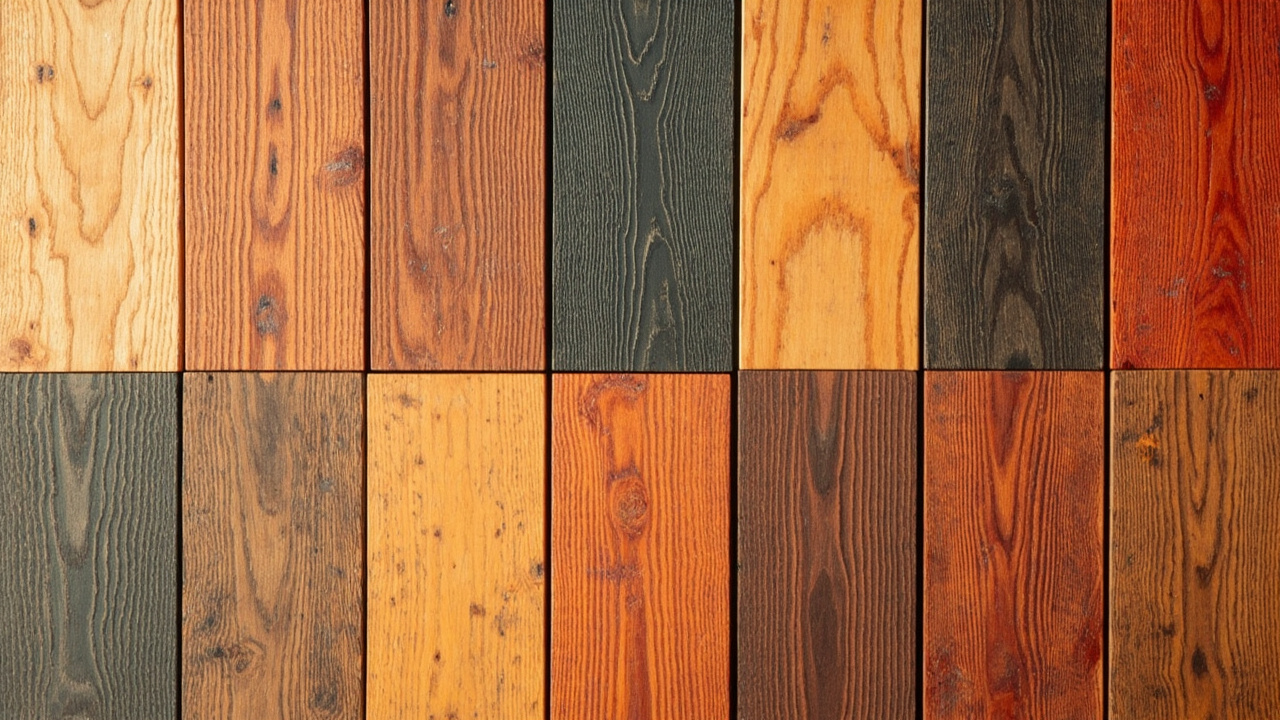
Wood-plastic composite (WPC) decking has overtaken tropical hardwood in many commercial and residential projects because it delivers the warmth of timber without the staining, oiling and splintering that solid wood demands every year. China is now the largest export base for WPC, but the gap between a board that lasts fifteen years and one that warps in the second summer comes down to a handful of specification decisions. This guide walks project buyers through the choices that actually determine long-term performance.
Composite chemistry: HDPE vs PVC vs PP
The plastic matrix inside a WPC board matters more than the marketing label. High-density polyethylene (HDPE) boards offer the best balance of flexibility, UV tolerance and price, and they accept wood fibre loads of 50 to 60 percent. Polypropylene (PP) boards are stiffer and suit heavy-load commercial decks. PVC-based boards resist staining well but become brittle in cold climates. Ask the factory which resin they use and request the melt flow index data sheet; a reputable supplier answers in hours, not days.
Hollow vs solid profiles and the span question
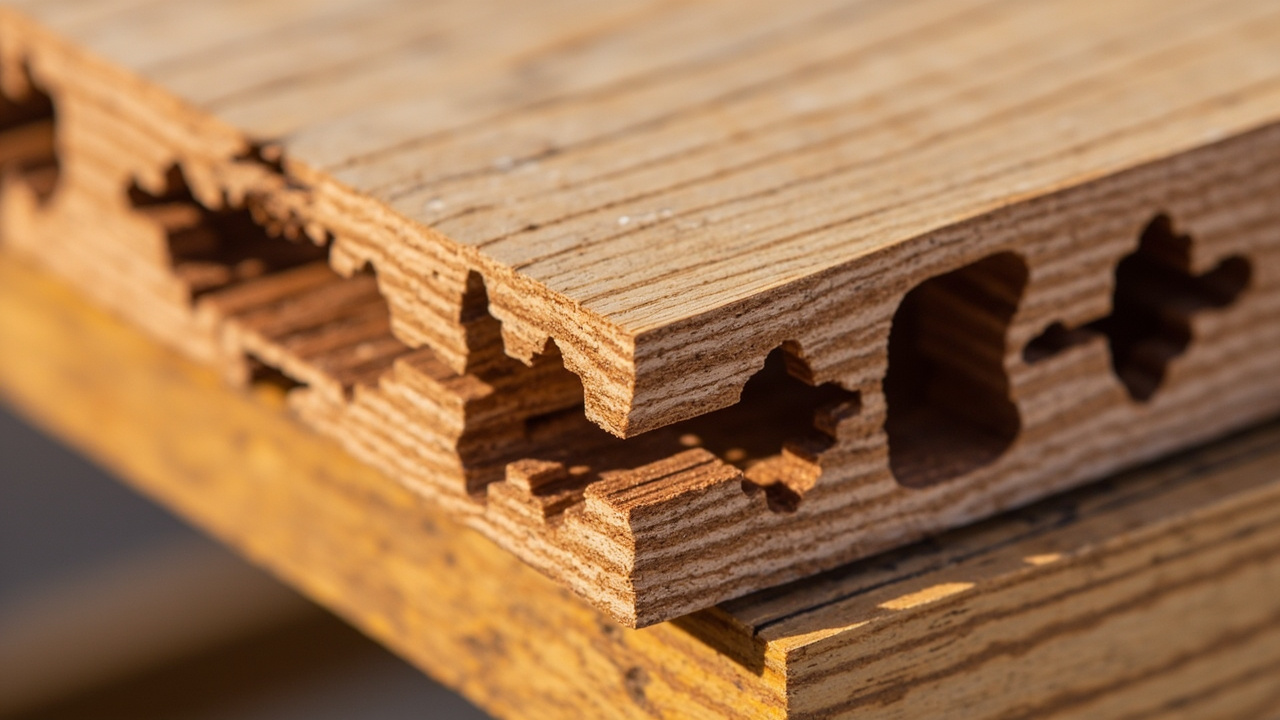
Hollow boards weigh roughly 30 percent less and cost less to ship, and the internal ribs add rigidity for their weight. They are the standard choice for residential decks with joists spaced at 400 mm. Solid boards carry higher point loads and are preferred for commercial boardwalks, rooftop terraces and anywhere wheeled furniture or heavy planters move across the surface. The deciding figure is the maximum joist span stated by the factory: a quality hollow board is rated for 400 mm centres, a quality solid board for 450 to 500 mm. Anything higher than that without an engineering certificate is a warning sign.
Capped vs uncapped and UV stability
Uncapped WPC exposes the wood fibre directly to the weather, which causes fading and surface fuzzing within two to three years. Capped composite wraps the four exposed faces in a polymer shell loaded with UV inhibitors and colour pigments, holding the original shade for seven to ten years. For projects in tropical, coastal or high-UV regions, capped board is not a luxury but a requirement. Ask for the QUV accelerated weathering test report; a 3000-hour test with a Delta E colour shift below 3.0 is a reasonable benchmark.
Slip resistance, clips and installation hardware
Decking failures in public spaces are usually slip claims, not structural failures. Specify a brushed or embossed surface with a pendulum slip rating of R11 or higher for wet areas and pool surrounds. The hidden clip system is equally important: stainless steel T-clips with pre-drilled screw holes allow thermal expansion without buckling, while cheap plastic clips crack after the first winter. Confirm the factory includes start clips, edge clips and the correct gap spacers in the accessory pack, because sourcing them separately in the destination country often costs more than the decking itself.
A clear specification sheet, an independent sample test and a factory that volunteers its test reports will save far more money than a small per-metre discount. Treat WPC sourcing as an engineering decision first and a price negotiation second, and the boards delivered to your site will perform the way the brochure promises.